
How Mental Wellness Apps Use Biofeedback for Better Health
In the rapidly evolving landscape of digital health, mental wellness applications have transitioned from simple mindfulness timers to sophisticated physiological monitoring tools. The cornerstone of this transformation is biofeedback technology, which bridges the gap between software and the human body’s autonomic nervous system. By leveraging real-time data from wearable devices and smartphone sensors, these apps provide users with actionable insights into their stress levels, heart rate variability, and overall emotional state. This review explores how leading platforms utilize these features to promote genuine mental well-being, moving beyond passive tracking to active intervention.
The Science Behind the Screen
At the heart of modern mental wellness apps is the concept of Heart Rate Variability (HRV). HRV measures the variation in time between each heartbeat and serves as a primary indicator of the body’s ability to handle stress. When an app detects low HRV, it signals that the sympathetic nervous system—often referred to as the “fight or flight” mode—is overactive. Premium applications like Elite HRV and Welltory excel here by correlating this data with user-reported moods. They do not merely display graphs; they offer contextual advice, suggesting specific breathing exercises or meditation sessions tailored to the user’s current physiological state. This personalization is critical, as a one-size-fits-all approach rarely addresses the nuanced needs of mental health.
If you want to dig deeper, check out our guide on Top 10 Trends Shaping 2024: What You Need to Know.
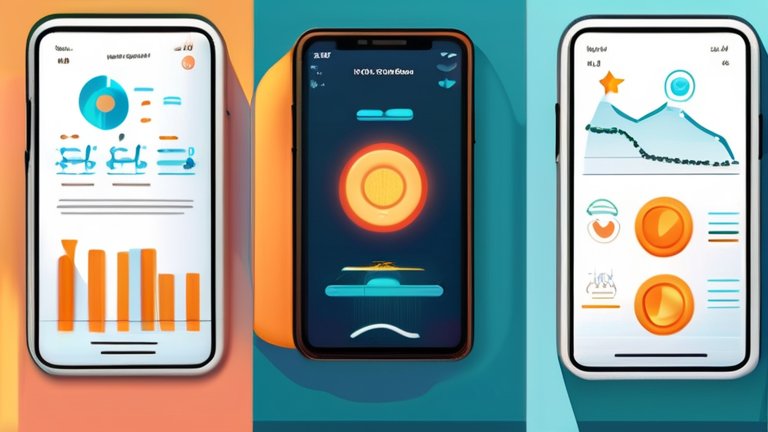
Feature Highlights and Comparisons
While many apps claim to use biofeedback, few execute it with precision. Headspace and Calm have integrated basic biofeedback features, primarily using skin conductance sensors available on specific wearables like the Muse headband. These apps focus heavily on guided content, using biofeedback data to adjust the difficulty or length of meditation sessions in real-time. In contrast, Spire focuses on posture and breath patterns, offering a more subtle, passive approach to stress management. The key differentiator lies in the feedback loop: superior apps provide immediate, corrective guidance, while inferior ones only offer
Leave a Reply