
How Circular Economy Is Revamping Mainstream Fashion
The fashion industry has long been criticized for its environmental footprint, but a revolutionary shift is underway. The circular economy model is transforming how we design, produce, and consume clothing, moving away from the destructive “take-make-waste” linear paradigm. This systemic change is not just an ecological necessity; it is becoming a cornerstone of modern health and wellness by reducing exposure to harmful chemicals and fostering a more mindful relationship with our wardrobes. Understanding this shift is crucial for anyone seeking to align their lifestyle with sustainability and personal well-being.
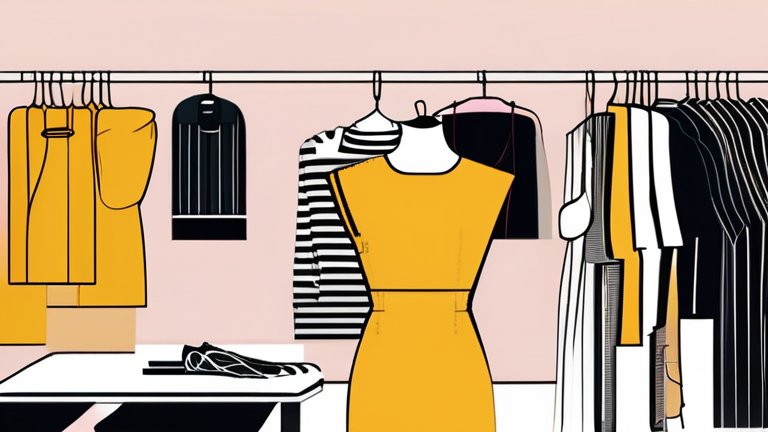
At its core, the circular economy in fashion prioritizes durability, repairability, and recyclability. Unlike traditional fast fashion, which relies on cheap materials and planned obsolescence, circular brands utilize organic fibers, recycled polyester, and innovative bio-materials that are less toxic to both humans and the environment. Scientific studies have linked conventional textile production to significant water pollution and the release of microplastics, which have been found in human blood and lungs. By supporting circular brands, consumers directly reduce their exposure to these endocrine-disrupting chemicals and carcinogens often found in conventional cotton and synthetic dyes.
If you want to dig deeper, check out our guide on Quantum Computing Hits Commercial Viability Milestones.
Adopting a circular lifestyle offers tangible health benefits beyond chemical avoidance. It encourages a shift from impulse buying to intentional consumption, which can significantly lower stress levels and anxiety associated with consumerism. When you invest in high-quality, timeless pieces that are designed to last, you reduce the mental clutter of a overflowing closet. This “less is more” approach fosters a sense of calm and clarity, allowing you to focus on experiences rather than possessions. Furthermore, many circular brands prioritize ethical labor practices, ensuring that the garment was made under safe, healthy conditions for workers, which aligns with the holistic wellness goal of ethical consumption.
To participate in this movement, start by auditing your current wardrobe. Identify items that can be repaired or upcycled rather than discarded. Learn basic mending skills or support local tailors to extend the life of your favorite garments. When you do need to buy new, choose brands that offer take-back programs or use certified recycled materials. Engage with second-hand markets and
Leave a Reply