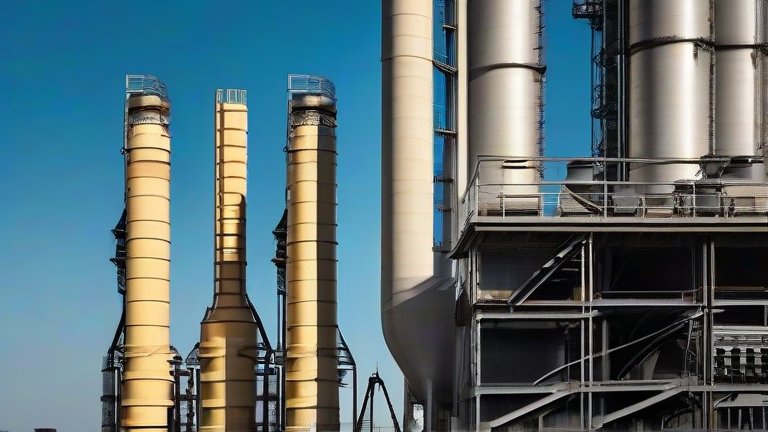
TL;DR: Cement plants can remove CO₂ by integrating carbon capture and storage (CCS) technologies with novel mineralization processes that permanently lock carbon into the concrete matrix. These strategies transform the industry from a major emitter into a potential carbon sink, aligning with global net-zero targets.
The global cement industry is responsible for approximately eight percent of total anthropogenic CO₂ emissions, driven largely by the chemical process of calcination. However, a paradigm shift is underway. By adopting carbon capture, utilization, and storage (CCUS) technologies, cement manufacturers are transforming waste streams into valuable resources. This transition is not merely regulatory compliance but a strategic imperative driven by rising carbon taxes and investor demand for sustainable infrastructure.
If you want to dig deeper, check out our guide on How to Install WordPress on Bluehost: A Step-by-Step Tutoria.
Market Analysis and Strategic Insights
The market for carbon removal in heavy industry is projected to grow exponentially. Investors are increasingly prioritizing companies with verified negative emission capabilities. Strategically, leading firms are focusing on two primary avenues: post-combustion capture at the plant level and direct mineralization within the concrete production process. The latter offers a dual benefit, sequestering carbon while potentially enhancing the strength of the final product. Companies that innovate in low-carbon clinker formulations will secure competitive advantages in green building contracts. Furthermore, partnerships with tech startups specializing in mineralization are becoming common, allowing traditional giants to leverage cutting-edge science without heavy R&D overhead.
Case Studies in Innovation
Several pioneering projects illustrate this potential. Heidelberg Materials has successfully implemented carbon capture technologies at its Brevik plant in Norway, aiming for full-scale commercial operation that captures 400,000 tons of CO₂ annually. Meanwhile, CarbonCure Technologies has partnered with numerous ready-mix concrete producers globally. Their technology injects recycled CO₂ into fresh concrete, where it permanently mineralizes. This process does not alter the concrete’s performance but reduces the cement content required, thereby lowering embodied carbon. Another notable example is Solidia Technologies, which develops a curing process that absorbs CO₂ during the hardening phase, effectively turning the building material into a carbon sink. These cases demonstrate that technical feasibility is already established, with economic viability improving as carbon pricing mechanisms tighten globally.
FAQ
Q: Is carbon capture in cement plants currently profitable?
A: While upfront costs are high, profitability is improving due to carbon taxes, government subsidies, and premium pricing for low-carbon construction materials.
Q: What is the primary difference between CCS and mineralization?
A: CCS typically stores captured CO₂ underground in geological formations, whereas mineralization permanently converts CO₂ into solid carbonate minerals within the concrete itself.
Q: Can existing cement plants be retrofitted with these technologies?
A: Yes, many capture technologies can be retrofitted to existing facilities, although it requires significant capital investment and operational adjustments.
Leave a Reply