
# How AI Agents Are Replacing Human Customer Support Roles
The landscape of digital customer service is undergoing a seismic shift. Gone are the days of endless hold music and frustrating IVR menus. Today, businesses are turning to sophisticated AI agents that not only answer questions but anticipate needs, resolve issues, and provide personalized experiences at scale. This isn’t just about efficiency; it is about redefining the relationship between brands and their customers. In this review, we explore how these intelligent systems are taking over traditional support roles and why this transition is inevitable for modern enterprises.
The Rise of Intelligent Automation
AI agents have evolved far beyond simple chatbots that rely on rigid keyword matching. Modern solutions leverage Large Language Models (LLMs) to understand context, sentiment, and intent with remarkable accuracy. These agents can handle complex queries, process refunds, track shipments, and even troubleshoot technical issues without human intervention. The result is a seamless experience where customers feel heard and understood, regardless of the time of day. This capability allows companies to provide 24/7 support without the prohibitive costs associated with round-the-clock human staffing.
If you want to dig deeper, check out our guide on 10 Simple Lifestyle Habits to Boost Your Daily Energy and Ha.
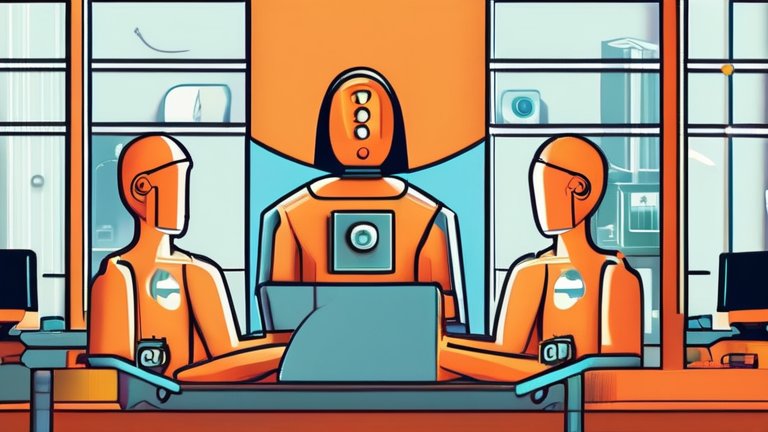
Key Features Driving Adoption
Several standout features make AI agents superior to traditional support methods in many scenarios. First is instant scalability. During peak seasons or viral marketing campaigns, human teams often buckle under pressure. AI agents, however, can handle thousands of simultaneous conversations without missing a beat. Second is consistent quality. Humans have bad days; AI does not. Every customer receives the same high standard of service, ensuring brand consistency. Third is data-driven insights. AI agents analyze every interaction to identify trending issues, product flaws, and customer pain points, providing invaluable feedback to product and marketing teams.
Comparing AI Agents to Human Support
While AI agents excel in speed and volume, they are not a complete replacement for human empathy in highly sensitive situations. Human agents are still crucial for complex emotional conflicts or unique edge cases that require nuanced judgment. However, the ideal model is a hybrid approach. AI handles the repetitive, high
Leave a Reply