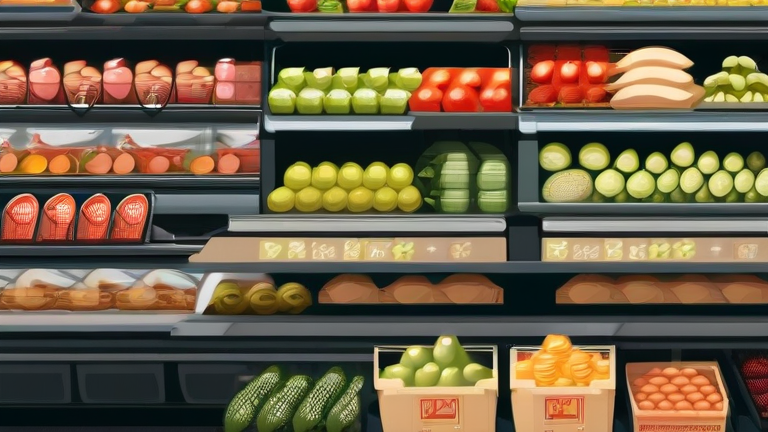
TL;DR: Most consumers refuse to cut staples like fresh produce, lean proteins, and whole grains despite inflation, recognizing their critical role in long-term health. These non-negotiables form the backbone of a sustainable, nutrient-dense diet that protects against chronic disease and supports daily vitality.
The Resilience of Nutrient-Dense Staples
In an era of persistent inflation, household budgets are under unprecedented pressure. Yet, when surveying grocery habits, a distinct pattern emerges: while people may trade premium brands for generics or skip luxury snacks, they rarely abandon the foundational elements of a healthy diet. Fresh vegetables, fruits, eggs, and legumes remain steadfast pillars of the shopping cart. This resilience is not merely habitual; it is deeply rooted in scientific understanding of nutritional biology.
Research consistently demonstrates that diets rich in whole, plant-based foods and lean proteins correlate with lower risks of cardiovascular disease, type 2 diabetes, and certain cancers. The immune-boosting properties of vitamins found in fresh produce are indispensable, especially in times of heightened health awareness. Consequently, consumers view these items not as optional extras but as essential investments in their biological infrastructure. Cutting back on broccoli or berries might save a few dollars this week, but the potential long-term healthcare costs and diminished quality of life often outweigh those immediate savings.
Strategic Shopping Without Compromising Health
While refusing to eliminate core health foods, savvy shoppers employ strategic tactics to manage costs. Buying seasonal produce is one effective method, as prices naturally dip when supply is abundant. Frozen fruits and vegetables offer another compelling alternative; flash-frozen items retain nearly all their nutritional value, often surpassing fresh counterparts that have sat in transit for days. Furthermore, mastering the art of batch cooking allows individuals to purchase larger, more economical portions of proteins like chicken or beans, which can be repurposed into multiple meals throughout the week.
Lifestyle tips also play a crucial role in maintaining wellness amidst financial constraints. Prioritizing sleep and stress management reduces the physiological urge to seek comfort in high-sugar, high-fat processed foods. When stress is managed, cravings diminish, making it easier to stick to a budget-friendly, whole-food diet. Additionally, staying hydrated with water instead of sugary beverages significantly impacts both metabolic health and grocery bills. These holistic approaches ensure that wellness is maintained not just through what is eaten, but through how one lives. Ultimately, the decision to keep buying healthy staples reflects a profound commitment to long-term well-being over short-term convenience.
FAQ
Q: What are the most common non-negotiable healthy groceries?
A: The most common non-negotiables include fresh vegetables, fruits, eggs, lean proteins, and whole grains, as they provide essential nutrients for disease prevention.
If you want to dig deeper, check out our guide on Why Premium Product Pages Lose Sales (And What to Fix First).
Q: How can I save money on healthy foods during inflation?
A: You can save money by purchasing seasonal produce, opting for frozen vegetables and fruits, and buying staple proteins in bulk to reduce waste and cost per serving.
Q: Why do people prioritize health foods despite price hikes?
A: People prioritize these foods because scientific evidence links them to lower risks of chronic diseases, making them essential investments for long-term health and reduced medical expenses.
Leave a Reply