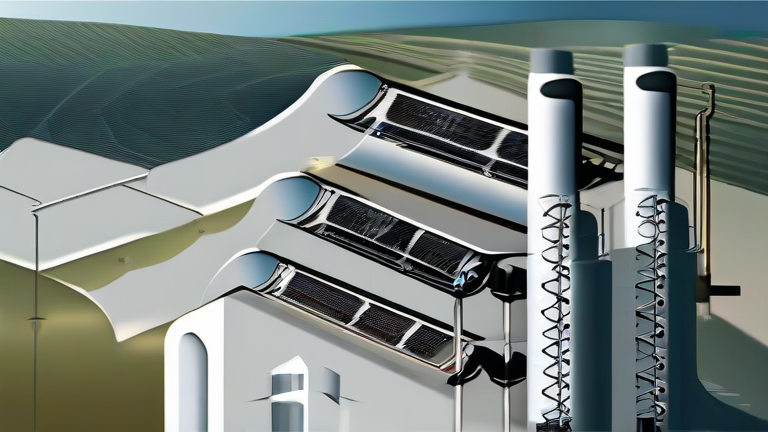
Global Scaling of Carbon Capture Technology: Key Trends

The rapid acceleration of global carbon capture, utilization, and storage (CCUS) technology represents a pivotal shift in how humanity addresses climate change. As nations strive to meet net-zero emissions targets, the scaling of these technologies has moved from theoretical prototypes to large-scale industrial implementations. This transition is not merely an engineering challenge but a critical component of the broader health and wellness ecosystem, as reducing atmospheric carbon dioxide directly correlates with improved air quality and respiratory health for billions of people.
Recent trends indicate a significant increase in direct air capture (DAC) projects, particularly in regions with abundant renewable energy sources. By leveraging wind and solar power to drive the energy-intensive capture process, these facilities minimize their own carbon footprint. Furthermore, advancements in solvent technology have lowered the energy penalty associated with traditional capture methods. These scientific breakthroughs are essential for making carbon removal economically viable and scalable. However, the true health benefit lies in the downstream effects: cleaner air leads to reduced incidences of asthma, lung cancer, and cardiovascular diseases, highlighting the interconnectedness of environmental policy and public health.

While technological solutions are vital, individual lifestyle choices play an equally important role in mitigating environmental stress and enhancing personal well-being. Science-backed advice suggests that adopting a low-carbon lifestyle can yield immediate health benefits. For instance, shifting towards a plant-based diet reduces greenhouse gas emissions while simultaneously lowering the risk of heart disease and obesity. Incorporating more whole foods, such as leafy greens and berries, provides antioxidants that combat inflammation, a condition often exacerbated by poor air quality.
Additionally, integrating regular physical activity into your daily routine can mitigate the health impacts of environmental degradation. Exercise improves lung capacity and cardiovascular efficiency, helping the body cope better with pollutants. Experts recommend engaging in outdoor activities during times when air quality indices are favorable, such as early mornings or after rainfall. Mindfulness practices, including meditation and deep-breathing exercises, can also help manage stress levels associated with climate anxiety, promoting mental resilience.
Finally, supporting community initiatives that promote green spaces can enhance both local air quality and
Leave a Reply