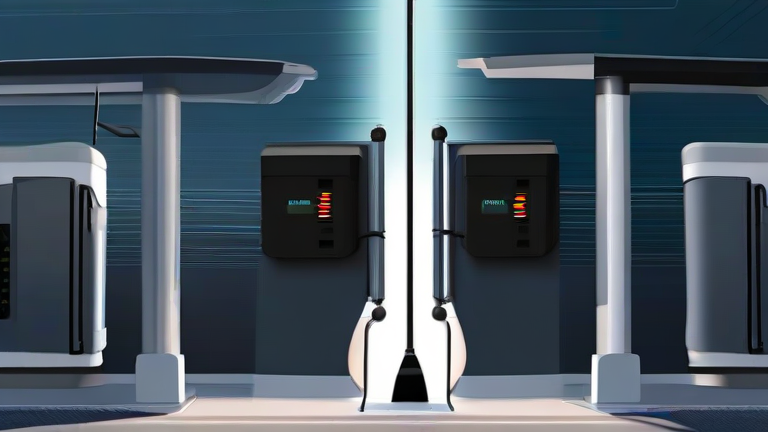
Global EV Charging Infrastructure Expansion: Key Trends & Updates

The global transition toward sustainable transportation has reached a critical inflection point, driven by aggressive government mandates and shifting consumer preferences. As the demand for electric vehicles (EVs) surges, the backbone of this ecosystem—the charging infrastructure—is undergoing a rapid and transformative expansion. This article explores the latest developments, technical specifications, and the profound industry impact reshaping the automotive landscape.
One of the most significant trends is the proliferation of ultra-fast charging networks. Major players like Tesla, Ionity, and Electrify America are deploying DC fast chargers capable of delivering up to 350 kilowatts of power. These high-capacity stations can replenish an EV’s battery from ten to eighty percent in under twenty minutes, effectively alleviating “range anxiety,” which remains the primary barrier to adoption for many potential buyers. The shift is not limited to highways; urban centers are seeing a parallel boom in Level 2 AC chargers installed in residential complexes, workplaces, and public parking facilities, ensuring convenience for those without dedicated home charging options.
Technological advancements are also driving interoperability and ease of use. The rollout of the Combined Charging System (CCS) standard in North America and Europe, alongside the NACS standard gaining traction, is simplifying the user experience. Plug-and-charge capabilities, where authentication and payment occur automatically upon connecting the cable, are becoming industry norms. Furthermore, smart charging technologies leverage artificial intelligence to optimize energy distribution, balancing grid load during peak hours and integrating seamlessly with renewable energy sources like solar and wind. This bidirectional communication ensures that EVs do not strain existing power grids but instead act as distributed energy resources.
If you want to dig deeper, check out our guide on Top 10 Industry Trends You Need to Know in 2024.
The industry impact is multifaceted and substantial. Traditional oil giants are pivoting, investing billions into charging networks to remain relevant in a decarbonizing world. Meanwhile, utility companies are upgrading grid infrastructure to handle increased electrical loads, fostering innovation in battery storage solutions. For automakers, reliable infrastructure is no longer just a support service but a core competitive advantage, influencing vehicle design and range specifications. Governments worldwide are complementing these efforts with subsidies, tax
Leave a Reply