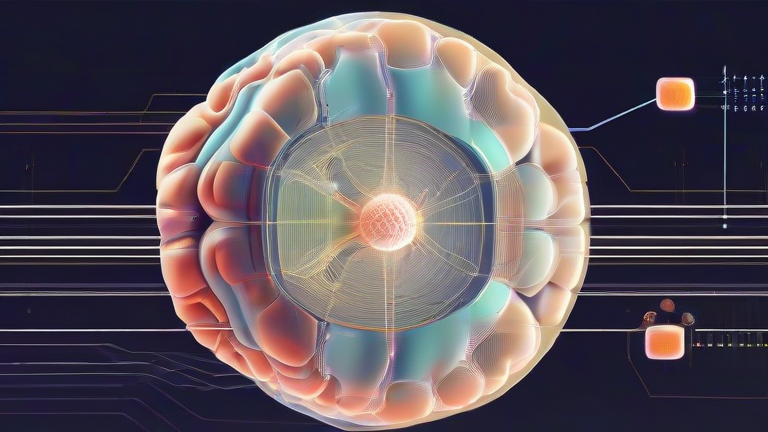
Direct Brain-to-Device Control: How Neurotechnology Interfaces Work
Neurotechnology has transitioned from the realm of science fiction into a tangible engineering reality. At the forefront of this revolution is direct brain-to-device control, a technology that allows users to manipulate digital environments using only their neural activity. This paradigm shift promises to redefine human-computer interaction, offering unprecedented accessibility for individuals with motor disabilities and opening new frontiers in consumer electronics.
The Mechanics of Neural Signaling
To understand how these interfaces function, one must first grasp the biological basis of thought. The human brain consists of approximately eighty-six billion neurons, each communicating via electrical impulses known as action potentials. When a person intends to move an arm or speak a word, specific patterns of neural firing occur. Neurotechnology interfaces capture these microscopic electrical signals and translate them into digital commands.
There are two primary categories of these interfaces: invasive and non-invasive. Invasive systems, such as those developed by Neuralink, involve surgically implanting flexible threads with electrode tips directly into the brain’s cortex. These devices offer high-fidelity data, capturing individual neuron activity with remarkable precision. Conversely, non-invasive systems, like high-density EEG headsets, sit on the scalp. While safer and more accessible, they suffer from signal attenuation, requiring complex algorithms to filter out noise and interpret broader neural patterns.
Latest Developments and Technical Specifications
Recent breakthroughs have significantly narrowed the latency gap between thought and action. Modern implantable devices now support thousands of channels, allowing for the simultaneous recording of hundreds of neurons. For instance, the latest iterations of cortical implants boast a sampling rate of over twenty-five thousand hertz, ensuring that even rapid neural bursts are captured without loss. Advanced machine learning models are deployed at the edge of these devices, processing signals locally to reduce bandwidth requirements and enhance privacy.
In the non-invasive sector, researchers have achieved breakthroughs in decoding speech intent from motor cortex activity. Studies demonstrate that participants can type at speeds exceeding sixty words per minute using only their thoughts, a
Leave a Reply