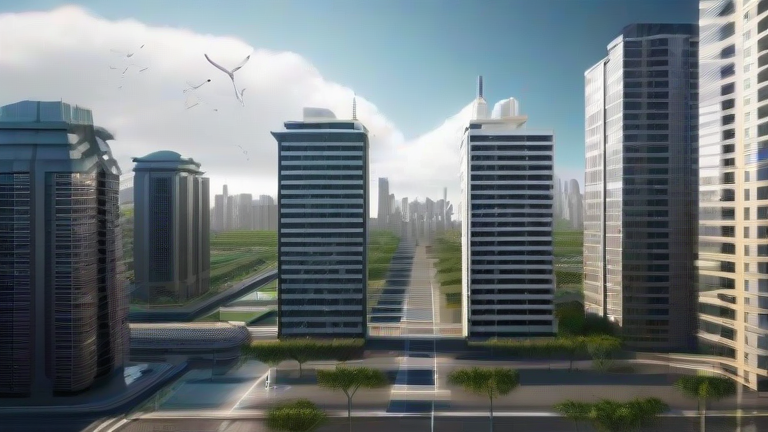
Digital Twin Cities Simulate Climate Disasters for Smarter Urban Planning
TL;DR: Digital twin cities create virtual replicas of urban environments to model how climate disasters like floods and heatwaves will impact infrastructure. This technology allows planners to test solutions in a risk-free virtual space, ensuring physical cities are resilient and livable for future residents.
Imagine standing on a crowded sidewalk in a bustling metropolis, but instead of feeling the humid air, you are watching data streams visualize how a three-degree temperature increase will affect local energy grids. This is the reality of digital twin technology, a trend that is fundamentally changing how we approach urban living and personal well-being. For the modern traveler and urban dweller, this isn’t just about concrete and steel; it is about the quality of life, the safety of our food systems, and the cultural vibrancy of our neighborhoods.
If you want to dig deeper, check out our guide on Top 5 AI Productivity Tools Every Remote Team Needs Now.
From a lifestyle perspective, the benefits of these simulations are tangible. When a city uses a digital twin to simulate a major hurricane, it doesn’t just predict roof damage; it predicts how long grocery stores will remain open, how quickly hospitals can operate, and which cultural landmarks are at risk. For food enthusiasts, this means better protection for local agricultural supplies that feed urban restaurants. If a city can virtually test which neighborhoods suffer the most during a heatwave, it can prioritize the planting of urban forests. These green spaces become vital social hubs where communities gather, fostering a sense of cultural identity and personal connection that is often eroded by rapid urbanization.
Personal growth in an urban context often relies on the stability and predictability of one’s environment. Knowing that your city has been virtually stress-tested against extreme weather events provides a profound sense of security. This security allows residents to focus on personal development, career growth, and community engagement without the constant underlying anxiety of environmental instability. The digital twin acts as a guardian, ensuring that the physical city remains a place where life can flourish. It transforms urban planning from a reactive process into a proactive strategy for human well-being.
Moreover, this technology opens new avenues for cultural preservation. By simulating rising sea levels, planners can determine which historic districts are most at risk and prioritize their protection. This ensures that the cultural heritage of a city remains intact for future generations to enjoy. Travelers who visit these cities will find that the infrastructure is robust, the public spaces are designed for comfort, and the local ecosystems are managed with foresight. The result is a richer, more resilient travel experience where the focus is on the beauty of the place rather than the fragility of its systems.
As we move forward, the integration of digital twins into urban planning is not just a technical upgrade; it is a lifestyle enhancement. It promises cities that are not only smart but also kind, safe, and sustainable. For those who live in and travel through these urban centers, it means a higher quality of life where the challenges of climate change are anticipated and managed before they ever reach our doorsteps.
FAQ
Q: How does digital twin technology specifically improve the travel experience?
A: It ensures that tourist infrastructure, such as hotels and transit systems, is resilient to extreme weather, leading to fewer disruptions and a more reliable travel experience.
Q: Can digital twins help protect local food sources in cities?
A: Yes, by simulating climate impacts on urban agriculture and supply chains, cities can implement protective measures that ensure food availability and safety for residents and restaurants.
Q: Is this technology accessible to small cities or only major metropolises?
A: While major cities are early adopters, the scalability of digital twin software means that smaller municipalities are increasingly able to afford and implement these tools for local planning.
Leave a Reply