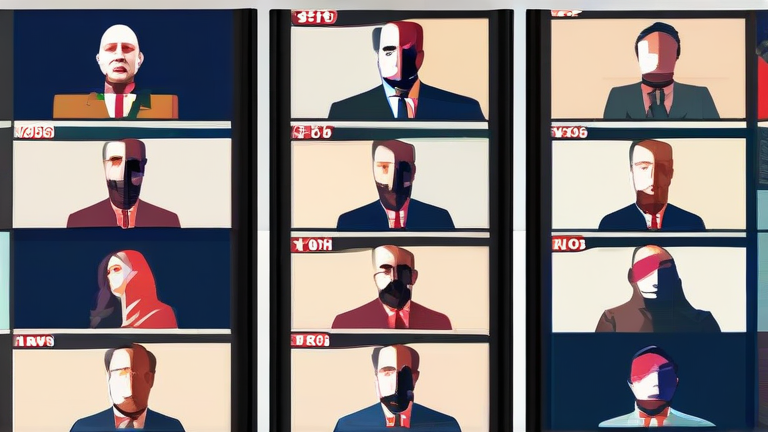
TL;DR: Deepfake voices pose a severe diplomatic threat by enabling hyper-realistic impersonations that can trigger international crises or manipulate sensitive negotiations. Immediate verification protocols and multi-layered authentication are essential to mitigate these risks before they escalate into global incidents.
Navigating the Audio Deception
In an era where artificial intelligence can replicate any voice with terrifying accuracy, diplomatic communications face unprecedented vulnerabilities. The following guide outlines how to protect sensitive conversations from becoming the catalyst for international conflict. First, establish a strict protocol for all high-stakes calls. Never rely solely on audio identity. Implement a secondary channel for verification. For instance, if a head of state calls unexpectedly, have a designated aide send a pre-agreed code phrase via a secure messaging app. This simple step creates a layer of security that AI cannot easily bypass without prior knowledge of the specific code.
If you want to dig deeper, check out our guide on Best Ergonomic Office Chairs for Back Pain Relief.
Next, utilize specialized audio forensics tools during live calls if available. Many secure government platforms now integrate real-time anomaly detection algorithms. These systems analyze subtle physiological markers in speech patterns, such as micro-tremors or breathing rhythms, which current deepfake models often fail to replicate perfectly. Train your staff to listen for these anomalies. If a call feels slightly off, do not ignore the instinct. Pause the conversation and initiate the verification protocol immediately. Do not discuss classified information until identity is confirmed.
Furthermore, limit the digital footprint of key personnel. Deepfake technology requires training data. The more audio samples available online, the easier it is for malicious actors to create convincing clones. Restrict public access to high-quality recordings of diplomats and leaders. Blur audio in press releases where possible. Avoid posting raw, unedited voice notes on social media platforms. This proactive reduction of data sources makes it significantly harder for adversaries to generate usable fake audio.
Finally, conduct regular crisis simulations. Run tabletop exercises that mimic a deepfake attack scenario. Have teams practice responding to a fake call from a foreign ally declaring war or demanding immediate action. These drills build muscle memory and reduce panic during real incidents. Ensure that every team member knows the escalation path. Who do you call? What is the backup communication method? Preparation is your best defense against a nightmare that sounds too real to be false.
FAQ
Q: Can deepfake audio be detected by human ears?
A: While humans may notice subtle artifacts, current AI can mimic human speech so closely that detection without specialized software is nearly impossible for untrained listeners.
Q: Is two-factor authentication enough to prevent deepfake voice attacks?
A> No, two-factor authentication secures accounts but does not verify the identity of the person on the other end of a voice call; additional verbal codes are necessary.
Q: Should diplomatic relations be suspended during a suspected deepfake incident?
A: Immediate suspension is not required; instead, isolate the communication channel, verify identity through secondary means, and consult cybersecurity experts before taking political action.
Leave a Reply