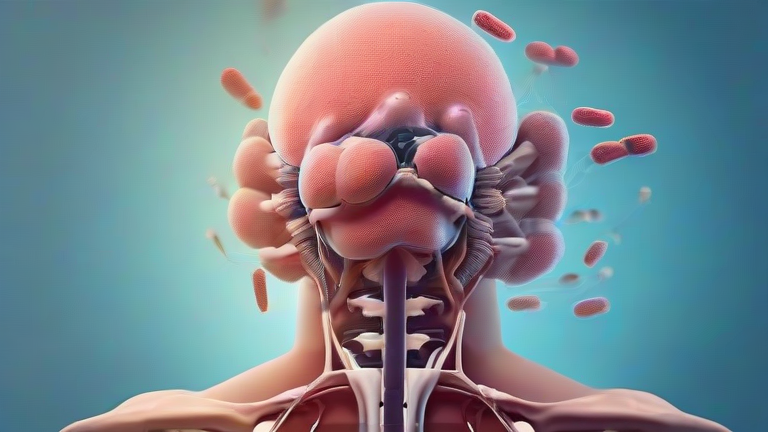
CRISPR Cures Rare Genetic Diseases: The Future of Medicine

For decades, rare genetic diseases have been considered untreatable curses, leaving patients and families with limited options and poor prognoses. Conditions like sickle cell anemia, cystic fibrosis, and various muscular dystrophies were once viewed as inevitable tragedies. However, the advent of CRISPR-Cas9 technology has revolutionized our approach to these complex disorders. Often described as “molecular scissors,” CRISPR allows scientists to precisely edit sections of the genome, offering hope for permanent cures rather than mere symptom management.
The Science Behind the Breakthrough
CRISPR works by identifying specific sequences of DNA that contain mutations responsible for disease. Once located, the Cas9 enzyme acts as a pair of scissors, cutting the DNA at the precise location. This cut triggers the cell’s natural repair mechanisms, allowing scientists to either disable a faulty gene or insert a corrected version. Recent clinical trials have shown remarkable success, particularly in treating blood disorders. For instance, patients with sickle cell disease have undergone successful treatments where their own stem cells are edited to produce healthy hemoglobin, effectively eliminating painful crises and organ damage.
While the science is promising, it is crucial to understand that this is not a magic bullet for every condition. The technology is still in its early stages, and ethical considerations regarding germline editing (changes passed to future generations) remain a subject of intense global debate. Nevertheless, the potential to eradicate suffering on a genetic level is unprecedented.
Lifestyle Strategies for Genetic Health
Although we cannot yet edit our DNA at will, we can optimize our body’s natural defenses and support overall health while waiting for broader medical advancements. Here are science-backed lifestyle tips to support your genetic wellness:
First, prioritize a nutrient-dense diet. Foods rich in antioxidants, such as berries, leafy greens, and nuts, help combat oxidative stress, which can damage DNA over time. Omega-3 fatty acids found in fatty fish support cellular health and reduce inflammation, a key factor in many genetic inflammatory conditions.
Second, engage in regular physical activity. Exercise has been shown to positively influence
Leave a Reply