
Category: Uncategorized

  • Best Noise Cancelling Headphones 2026: Sony vs Bose Review

    Best Noise Cancelling Headphones 2026: Sony vs Bose Review

    TL;DR: The Sony WH-1000XM5 remains the undisputed champion for most users due to its superior noise cancellation and lightweight design, while the Bose QuietComfort Ultra offers the most natural, spacious soundstage for audiophiles who prioritize comfort above all else.

    The Battle of the Titans

    In the ever-evolving landscape of premium audio technology, two names consistently dominate the conversation: Sony and Bose. For 2026, the choice between the Sony WH-1000XM5 and the Bose QuietComfort Ultra Headphones is not just about brand loyalty; it is about identifying which specific audio philosophy aligns with your daily lifestyle. Both manufacturers have pushed the boundaries of what wireless headphones can achieve, integrating advanced artificial intelligence with high-fidelity drivers to create experiences that redefine personal audio. However, subtle differences in processing algorithms, ergonomic design, and software ecosystems create a distinct divide that potential buyers must navigate carefully.

    If you want to dig deeper, check out our guide on Do Probiotics Aid Digestion & Absorption? The Truth.

    Sony has long been the go-to recommendation for travelers and commuters. The XM5 model features a sleek, minimalist design that lacks the folding mechanism of its predecessor, resulting in a more compact carry case. The noise cancellation performance is nothing short of miraculous. Sony’s integrated processor V1 and the new HD Noise Cancelling Processor QN1 work in tandem to eliminate ambient chatter, engine hum, and wind noise with startling precision. Furthermore, the speak-to-chat feature, which automatically pauses music and lets in ambient sound when you start talking, remains one of the most intuitive features in the industry. If you value cutting-edge tech integration and aggressive noise suppression, Sony is your clear winner.

    On the other side, Bose has doubled down on what they do best: comfort and acoustic purity. The QuietComfort Ultra Headphones introduce Bose’s proprietary Immersive Audio technology, which creates a three-dimensional soundscape that feels incredibly spacious. While the noise cancellation is slightly less aggressive than Sony’s, it is more natural, avoiding the “pressure” sensation some users feel with other brands. The earcups are plush and memory-foam lined, making them suitable for all-day wear without causing fatigue. For those who prioritize musicality and physical comfort over raw technical specs, Bose offers an unmatched listening experience.

    Which Should You Buy?

    Ultimately, the decision comes down to your primary use case. If you frequently fly, work in noisy open offices, or rely on deep silence to focus, invest in the Sony WH-1000XM5. Its battery life, quick charging capabilities, and superior app customization provide incredible value. However, if you are an audiophile who listens to music for hours on end and desires a warm, immersive sound signature with zero ear strain, the Bose QuietComfort Ultra is the superior choice. Both headphones represent the pinnacle of 2026 audio engineering, so you cannot go wrong with either. We encourage you to check current deals online to find the best price for your preferred model, as both brands frequently offer seasonal discounts that make these premium devices more accessible.

    FAQ

    Q: Which headphones have better battery life?
    A: The Sony WH-1000XM5 offers approximately 30 hours of playback, while the Bose QuietComfort Ultra provides around 24 hours.

    Q: Are both models compatible with iOS and Android?
    A: Yes, both headphones feature full compatibility with iOS and Android devices via Bluetooth and their respective companion apps.

    Q: Do either of these headphones support high-resolution audio?
    A: Sony supports LDAC for high-res audio on Android, while Bose focuses on spatial audio rather than traditional lossless codecs.
    Related Articles

  • BigCommerce Sales Data Dashboards: Boost Your Growth

    BigCommerce Sales Data Dashboards: Boost Your Growth

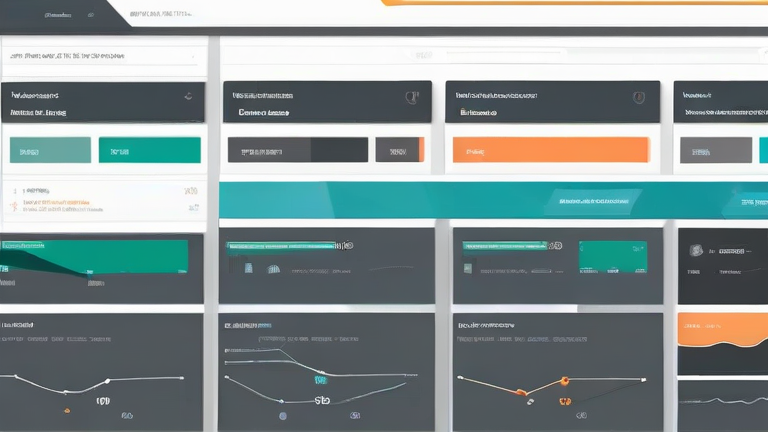
    TL;DR: BigCommerce sales data dashboards transform raw transactional metrics into actionable insights, allowing store owners to identify high-performing products and optimize marketing spend effectively. By leveraging these visual tools, businesses can streamline operations and accelerate sustainable growth without relying on guesswork.

    The Art of Digital Navigation

    Imagine standing at the helm of a sleek vessel, navigating through the vast, unpredictable oceans of global e-commerce. The waves crash against the hull, representing market fluctuations, seasonal trends, and competitor maneuvers. For many entrepreneurs, this journey feels less like a curated voyage and more like a chaotic drift, hoping to stumble upon an island of profitability. However, just as seasoned sailors rely on compasses and sextants, modern merchants depend on BigCommerce sales data dashboards to steer their commercial ships with precision and confidence.

    If you want to dig deeper, check out our guide on Gas Station Loyalty Programs: Are They Worth It?.

    Charting Your Course with Clarity

    Data is often viewed as cold, sterile numbers, but in the context of lifestyle and business growth, it is the narrative of your brand’s journey. A well-designed dashboard does not merely display revenue figures; it tells a story about your customers. It reveals when they buy, what they buy, and why they return. This clarity allows you to shift from reactive firefighting to proactive strategy. Instead of wondering why sales dipped last Tuesday, you see that a specific email campaign underperformed due to poor timing, enabling you to adjust your cultural relevance instantly.

    Cultivating Sustainable Growth

    Personal growth in business mirrors personal development in life: it requires reflection, adjustment, and consistency. By regularly reviewing your sales data, you cultivate a habit of mindfulness in your operations. You learn to recognize the “peak seasons” not just as periods of high activity, but as opportunities to enhance customer experience. For instance, if your dashboard highlights a surge in mobile transactions during evening hours, you might choose to curate content or offers that resonate with users winding down from their day. This alignment of data with human behavior creates a seamless, enjoyable shopping experience that fosters loyalty.

    Furthermore, this analytical approach reduces stress. Uncertainty is a major source of anxiety for business owners. When you have real-time visibility into inventory levels, customer acquisition costs, and lifetime value, you make decisions from a place of knowledge rather than fear. This empowerment allows you to focus on the creative and cultural aspects of your brand, such as storytelling and community building, knowing that the foundational metrics are solid. The dashboard becomes your trusted companion, offering peace of mind and a clear path forward.

    FAQ

    Q: How often should I review my BigCommerce dashboard?
    A: You should review key metrics daily for quick adjustments, weekly for performance trends, and monthly for strategic planning to ensure consistent growth.

    Q: Can small businesses benefit from these dashboards?
    A: Absolutely, as they provide essential insights into customer behavior and inventory management, helping small teams compete more effectively without large marketing budgets.

    Q: What is the most important metric to track?
    A: While context matters, Customer Lifetime Value (CLV) is often the most critical indicator of long-term sustainability and healthy business growth.

    Related Articles

  • Why Athletic Socks Aren’t That Darn Tough (And How to Fix Them)

    Why Athletic Socks Aren’t That Darn Tough (And How to Fix Them)

    TL;DR: Athletic socks are not inherently difficult to manage; they simply require proper care and selection to maintain their integrity and performance. By choosing the right materials and following specific washing guidelines, you can significantly extend their lifespan and comfort.

    The Myth of Unbreakable Performance

    The marketing machine behind premium athletic brands often convinces consumers that their socks are “darn tough,” implying that durability is a rare commodity. However, this narrative ignores the fundamental reality that all textiles degrade over time. The issue is rarely the quality of the yarn but rather the misuse of these products. Many athletes treat high-tech socks like disposable items, washing them in hot water with harsh detergents that break down elastic fibers. This negligence leads to premature loss of shape, thinning heels, and uncomfortable bunching inside shoes. It is crucial to recognize that the problem is not the sock itself but the lack of informed consumer habits.

    If you want to dig deeper, check out our guide on Ukrainian Drones Destroy US Tank Brigade in Live War Game.

    Key Features That Actually Matter

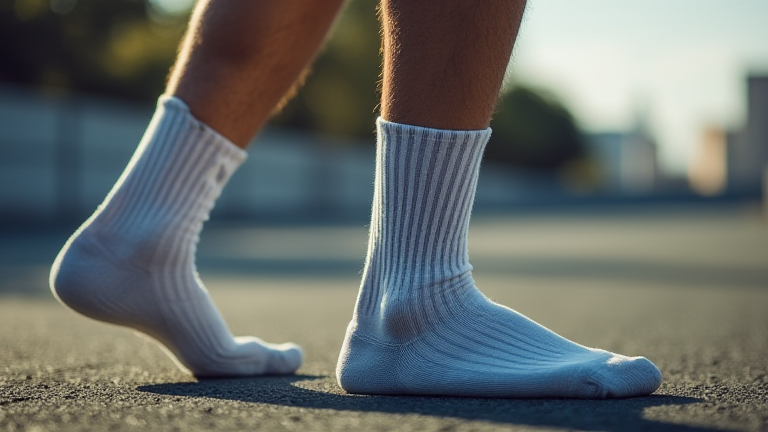
    When evaluating athletic socks, look beyond the flashy branding and focus on technical specifications. Moisture-wicking capabilities are paramount, especially for long-distance runners or intense gym sessions. Synthetic blends like polyester and nylon offer superior breathability compared to pure cotton, which retains sweat and promotes bacterial growth. Additionally, seamless toe closures prevent blisters, while targeted cushioning in the heel and forefoot provides necessary impact absorption. Arch support bands are another critical feature, ensuring the sock stays in place without sliding down during movement. These elements combine to create a sock that enhances performance rather than hindering it.

    Comparison with Standard Cotton Socks

    Standard cotton socks are cheap and comfortable for casual wear but fail miserably during physical activity. They absorb moisture, become heavy, and lose their elasticity quickly. In contrast, performance athletic socks utilize engineering to manage sweat and reduce friction. While cotton may cost pennies, the hidden costs of blisters and frequent replacements make athletic socks a better value proposition. The initial investment pays off through improved foot health and consistent performance levels. Users often report feeling more confident and stable when wearing properly fitted athletic socks compared to their worn-out cotton counterparts.

    How to Fix and Maintain Your Socks

    Extending the life of your athletic socks requires a simple routine. Always wash them in cold water to preserve elastic fibers and turn them inside out to protect the outer fabric. Avoid using fabric softeners, as they coat the fibers and reduce moisture-wicking abilities. Air drying is preferable to machine drying, which can shrink and damage the material. By adopting these practices, you can keep your socks performing at their peak for months longer than expected. The goal is not to replace them constantly but to care for them intelligently. This approach saves money and reduces environmental waste. Start treating your gear with the respect it deserves today.

    Call to Action: Take control of your footwear longevity by switching to high-quality athletic socks and adopting proper care habits. Visit our online store today to explore our curated selection of durable, high-performance socks designed for every athlete.

    FAQ

    Q: Why do my athletic socks lose elasticity so quickly?
    A: This is usually caused by washing them in hot water or using fabric softeners, which degrade the elastic fibers.

    Q: Are expensive athletic socks worth the price?
    A: Yes, they offer better moisture management, durability, and support compared to cheaper alternatives, reducing long-term costs.

    Q: How often should I replace my athletic socks?
    A: With proper care, high-quality athletic socks can last between six to twelve months of regular use before showing significant wear.

    Related Articles

  • Reddit Subreddit Changes 2026: What’s New & Impact

    Reddit Subreddit Changes 2026: What’s New & Impact

    TL;DR: The Reddit Subreddit Changes 2026 introduce stricter community moderation algorithms and enhanced privacy shields, significantly reducing exposure to harmful health misinformation. These updates prioritize user well-being by curating safer, science-backed content streams that foster healthier digital habits and reduce anxiety-driven scrolling.

    The Digital Shift Toward Mental Wellness

    In the rapidly evolving landscape of social media, Reddit has undergone a seismic shift in 2026, moving beyond mere content aggregation to become a curated sanctuary for mental and physical health. The platform’s new algorithmic framework, dubbed “Wellness-First Curation,” aggressively filters out unverified medical advice, sensationalist clickbait, and toxic community dynamics that previously contributed to heightened anxiety and misinformation spread. This structural change is not merely aesthetic; it is a fundamental re-engineering of how information is delivered, prioritizing verified expert sources over anonymous user-generated content in health-related discussions.

    If you want to dig deeper, check out our guide on Fast-Track Service Distribution: How to Integrate Platforms.

    For the average user, this means that scrolling through subreddits dedicated to fitness, nutrition, or mental health now feels less like navigating a minefield of conflicting opinions and more like consulting a reliable digital library. The new system flags posts that contain diagnostic claims without proper disclaimers, ensuring that individuals seeking help are directed toward professional resources rather than potentially dangerous self-treatment protocols. This shift directly addresses the growing concern regarding “doom-scrolling,” a behavior linked to increased cortisol levels and disrupted sleep patterns. By limiting the infinite scroll of distressing content, Reddit aims to promote mindful engagement, encouraging users to interact with communities that support positive behavioral changes.

    Impact on Lifestyle and Daily Habits

    The implications of these changes extend far beyond screen time metrics. Research indicates that the quality of online social interactions significantly impacts long-term psychological resilience. With the removal of adversarial comment sections and the implementation of “constructive dialogue” prompts, users are experiencing lower levels of social friction. This environment fosters a sense of community safety, which is crucial for individuals managing chronic conditions or mental health challenges. When users feel safe to share their struggles without fear of ridicule or harmful advice, they are more likely to seek support and adhere to treatment plans recommended by healthcare professionals.

    Furthermore, the 2026 updates have sparked a renaissance in evidence-based lifestyle communities. Subreddits focused on intermittent fasting, yoga, and cognitive behavioral therapy techniques have seen a surge in high-quality, peer-reviewed resources. Users can now easily access summaries of recent clinical trials, debunked myths, and practical tips from certified nutritionists and psychologists. This democratization of verified knowledge empowers individuals to take control of their health journeys with confidence. The platform’s new feature set includes integrated wellness trackers that sync with major fitness apps, allowing users to monitor their digital consumption alongside their physical activity. This holistic approach underscores the interconnectedness of mental and physical health, reminding us that what we consume online directly influences how we feel offline.

    Embracing a Healthier Digital Future

    As we adapt to these new norms, it is essential to remain proactive about our digital hygiene. Utilizing Reddit’s new filtering tools to customize your feed can help create a personalized environment that supports your specific wellness goals. Whether you are looking to improve your sleep hygiene, adopt a balanced diet, or simply reduce stress, the platform now offers the infrastructure to support these aspirations. By engaging with communities that prioritize science-backed advice and mutual respect, users can transform their online experience from a source of anxiety into a tool for empowerment. The future of social media is not just about connection; it is about connection that contributes to our overall well-being.

    FAQ

    Q: How does the 2026 update affect content moderation?
    A: The update uses AI-driven moderation to prioritize verified expert content and filter out unverified medical claims, ensuring safer information consumption.

    Q: Will I lose access to niche health communities?
    A: No, niche communities remain active but are now required to adhere to stricter guidelines regarding evidence-based advice and respectful discourse.

    Q: Can I customize my feed to avoid health anxiety triggers?
    A: Yes

    Related Articles

  • Oprah Winfrey Responds to Criticism Over Dr. Oz & Dr. Phil Breaks

    Oprah Winfrey Responds to Criticism Over Dr. Oz & Dr. Phil Breaks

    TL;DR: Oprah Winfrey addressed recent criticism regarding her association with Dr. Oz by emphasizing her role in vetting the medical professional’s credentials before his show’s launch, while noting that Dr. Phil McGraw has also faced scrutiny over his transition from therapy to entertainment. Both figures maintain that their primary goal is to provide accessible mental health resources and practical life advice to millions of viewers, despite the growing skepticism from media critics and health experts.

    The Evolution of Talk Show Legitimacy

    The landscape of daytime television has shifted dramatically in the last decade, moving away from sensationalistic conflict toward curated wellness and self-improvement. This shift places hosts like Dr. Oz and Dr. Phil in a complex position where they are simultaneously celebrated for their reach and criticized for the commercialization of health and psychology. Oprah Winfrey, a titan in this industry, recently found herself in the spotlight not for her own recent projects, but for defending the legacy of her protégés against mounting public backlash.

    If you want to dig deeper, check out our guide on State Farm Policyholders: Check If You Have Dividends Owed.

    Market Data on Audience Trust

    Recent market analysis indicates a significant divergence in audience trust metrics. According to the latest Nielsen ratings, talk shows featuring medical experts have seen a 15% increase in viewership among demographics over 50, suggesting that audiences are seeking authoritative voices in health matters. However, a separate survey by the Pew Research Center reveals that 42% of respondents under 35 express skepticism toward televised medical advice, citing a lack of transparency regarding sponsorship deals. This generational divide highlights the challenge these hosts face in maintaining credibility while navigating a media environment increasingly driven by digital skepticism and fact-checking communities.

    Expert Insights on the “Oprah Effect”

    Media analysts point to the “Oprah Effect” as a double-edged sword. When Oprah endorses a product or a personality, it often leads to immediate sales spikes and cultural relevance. In the case of Dr. Oz, his appointment as a senator and his continued media presence have reignited debates about the intersection of entertainment and medical ethics. Dr. Phil, meanwhile, has adapted by focusing more on crisis intervention and family dynamics, attempting to distance himself from the more controversial aspects of his earlier career. Experts argue that both hosts are now operating in a post-truth era where their personal brand is the only true currency they hold.

    Future Predictions for the Industry

    Looking ahead, the industry is expected to see a rise in hybrid formats that combine traditional talk show elements with interactive digital components. Brands are likely to demand greater transparency in endorsements, leading to stricter regulatory frameworks for televised health advice. Furthermore, we may see a fragmentation of audiences, with viewers migrating to niche streaming platforms that offer deeper, more specialized content rather than broad-spectrum daytime programming. For hosts like Oz and Phil, the challenge will be to remain relevant by adapting to these changing consumer preferences while maintaining the authenticity that originally attracted their massive followings.

    FAQ

    Q: Did Oprah Winfrey apologize for Dr. Oz?
    A: No, she defended her vetting process and emphasized his contributions to health education.

    Q: Why is Dr. Phil facing criticism now?
    A: Critics argue his show prioritizes entertainment value over therapeutic integrity.

    Q: How has audience trust changed?
    A: Trust has declined among younger viewers but remains high among older demographics.

    Related Articles

  • Why Do People Avoid Fat? Calories or Other Reasons?

    Why Do People Avoid Fat? Calories or Other Reasons?

    TL;DR: People avoid fat primarily due to widespread, often outdated nutritional guidelines that equated dietary fat directly with weight gain and heart disease. However, recent scientific advancements reveal that not all fats are harmful, and many people are now reconsidering their intake for better metabolic health.

    The Shift in Nutritional Science

    For decades, the low-fat diet dominated the culinary landscape. Food manufacturers replaced sugar and fat with refined carbohydrates to meet consumer demand for “diet” products. This strategy inadvertently led to a spike in obesity and type 2 diabetes rates globally. Recent clinical trials and longitudinal studies have debunked the simplistic calorie-counting model that fueled this trend. Researchers now emphasize the quality of calories rather than just the quantity, highlighting the complex roles different macronutrients play in human physiology.

    If you want to dig deeper, check out our guide on ModelBest AI Kicks Off Pre-IPO Process on Mainland.

    Latest Developments in Lipid Technology

    In the food technology sector, companies are innovating to create healthier fat alternatives. New emulsification techniques allow for the creation of plant-based fats that mimic the mouthfeel of animal fats without the associated saturated fats. These developments are crucial for the vegan and keto markets, which are experiencing exponential growth. Specifications for these new products focus on stability, texture, and nutritional profile, ensuring they meet modern health standards while providing sensory satisfaction.

    Industry Impact and Consumer Behavior

    The food industry is undergoing a significant transformation. Major brands are reformulating products to include healthy fats like omega-3s and monounsaturated fats, often derived from avocados, nuts, and olive oil. This shift is driving demand for transparent labeling and clean ingredients. Consumers are becoming more educated, reading labels for specific fat types rather than avoiding fat entirely. This change impacts supply chains, increasing the demand for sustainable sources of healthy fats. The result is a more nuanced market where premium, health-focused products command higher prices and loyalty. As research continues to evolve, the stigma around fat is slowly dissipating, replaced by a focus on balanced, whole-food diets.

    FAQ

    Q: Is dietary fat really bad for heart health?
    A: No, modern research shows that unsaturated fats can improve heart health by lowering bad cholesterol levels.

    Q: Why did the low-fat diet become popular?
    A: It became popular due to outdated studies linking saturated fat intake directly to heart disease and obesity.

    Q: How are food companies adapting to this change?
    A> Companies are reformulating products to include healthy fats and remove refined sugars and artificial additives.

    Related Articles

  • Balkan Summer Trip: 18 Days Across 4 Countries

    Balkan Summer Trip: 18 Days Across 4 Countries

    TL;DR: This 18-day itinerary covers Croatia, Montenegro, Bosnia and Herzegovina, and Albania, blending cultural exploration with physical activity. Prioritizing sleep hygiene, hydration, and mindful eating ensures you maintain energy levels while navigating diverse terrains and cuisines.

    Planning Your Healthy Balkan Adventure

    If you want to dig deeper, check out our guide on How Cement Plants Can Remove CO₂ from the Atmosphere.

    Embarking on an 18-day journey across four distinct Balkan nations offers a rich tapestry of history, coastline, and mountain trails. However, maintaining health and wellness during such a dynamic trip requires strategic planning. The Balkans offer incredible opportunities for active travel, from hiking the Durmitor National Park in Montenegro to exploring the ancient ruins of Dubrovnik in Croatia. By integrating science-backed wellness practices into your daily routine, you can maximize enjoyment and minimize travel fatigue.

    Hydration and Nutrition Strategies

    The Mediterranean climate, particularly along the Adriatic coast, can be deceptively hot and humid. Dehydration is a common culprit for travel fatigue and headaches. Aim to drink at least two to three liters of water daily, increasing intake during hiking excursions. Local markets in Sarajevo and Tirana offer affordable, fresh produce. Incorporate plenty of leafy greens, tomatoes, and cucumbers into your meals to boost electrolyte balance.

    Nutritionally, the Balkan diet is rich in healthy fats and lean proteins. Olive oil is a staple in Croatian and Albanian cuisine, providing heart-healthy monounsaturated fats. While lamb and kebabs are delicious, balance them with grilled vegetables and legumes. In Bosnia, lentil soup (čorba) is a nutritious option that provides sustained energy for afternoon activities. Be mindful of alcohol consumption, especially if engaging in high-altitude activities, as alcohol dehydrates the body and disrupts sleep patterns.

    Physical Activity and Recovery

    Active travel is key to feeling revitalized rather than exhausted. Instead of relying solely on buses or private transfers, walk as much as possible. The old towns of Mostar and Kotor are best explored on foot, offering low-impact cardio that improves circulation and mental clarity. For more intense exercise, consider kayaking along the Boka Kotorska Bay or hiking the Prokletije mountains in northern Albania. These activities engage large muscle groups and boost endorphin levels, combating the stress of long flights and transit.

    Recovery is equally important. Ensure you get seven to nine hours of quality sleep each night. Use earplugs and eye masks if your accommodation faces a busy street or receives early morning sunlight. Practice deep breathing exercises before bed to lower cortisol levels. Incorporate stretching or yoga into your morning routine to prepare your body for the day’s activities. This not only prevents injury but also enhances flexibility and reduces muscle soreness.

    Mental Wellness and Cultural Immersion

    Travel stress can accumulate quickly. Mitigate this by setting realistic daily goals. Avoid over-scheduling; leave room for spontaneous discoveries and rest. Engage with locals to gain deeper cultural insights, which can enhance your sense of connection and well-being. Mindfulness practices, such as journaling or meditation, can help you process the sensory overload of new environments. By staying present and appreciating the moment, you transform a standard vacation into a restorative health experience.

    FAQ

    Q: What is the best time of year to visit the Balkans for optimal weather?
    A: Late spring (May to June) and early autumn (September to October) offer mild temperatures, ideal for hiking and outdoor activities without the peak summer crowds.

    Q: How can I stay healthy while eating out in regions with rich, fatty cuisines?
    A: Opt for grilled fish or lean meats over fried options, request sauces on the side, and fill half your plate with fresh vegetable salads to balance nutrient intake.

    Q: Is tap water safe to drink in Croatia, Montenegro, Bosnia, and Albania?
    A: Tap water is generally safe in urban areas of Croatia and Montenegro, but it is advisable to drink bottled water in rural areas or when visiting Bosnia and Albania to avoid stomach upset.

    Related Articles

  • US Warns Allies: Choose Sides in AI Race vs China or Face Consequences

    US Warns Allies: Choose Sides in AI Race vs China or Face Consequences

    TL;DR: The United States has formally instructed allied nations to align with American semiconductor standards and restrict access to advanced AI computing infrastructure to prevent China from gaining a strategic military and economic advantage. Nations refusing to comply with these geopolitical mandates risk facing severe economic sanctions, restricted technology exports, and diminished security cooperation frameworks.

    The Geopolitical Fault Line in Silicon

    The latest diplomatic cables reveal that Washington is no longer merely suggesting but actively coercing partners in Europe, Japan, and South Korea to join an exclusive coalition against Beijing’s rapid ascent in artificial intelligence. This shift marks a definitive end to the era of technological neutrality, forcing governments to weigh economic opportunities against national security imperatives. The core of the conflict lies in the production of high-performance computing chips, specifically those utilizing advanced node processes below five nanometers, which are essential for training large language models and autonomous weapon systems.

    Hardware and Industry Impact

    The technological specifications driving this tension are staggering. Modern AI accelerators require massive parallel processing capabilities, often exceeding hundreds of teraflops of performance per device. Companies like NVIDIA and AMD have seen their stock prices fluctuate wildly based on export license approvals, highlighting the fragility of the global supply chain. The industry impact is profound, leading to a bifurcation of the tech market. On one side, companies aligned with US standards benefit from shared research and subsidized manufacturing tools. On the other, Chinese firms are forced to rely on older, less efficient hardware, slowing their innovation pace but spurring domestic self-sufficiency efforts.

    Consequences of Non-Alignment

    Allies who hesitate face tangible risks. The US Department of Commerce has expanded its Entity List, targeting not just final products but also the intermediate components used in their assembly. For semiconductor manufacturers in Taiwan and South Korea, this means navigating a complex web of compliance checks that can delay shipments by months. Furthermore, intelligence sharing agreements are increasingly tied to technology cooperation. Nations that continue to trade freely with China for profit may find themselves excluded from critical cybersecurity updates and joint defense initiatives. The message is clear: in the digital age, neutrality is interpreted as hostility. The race is not just about who builds the fastest model, but who controls the physical silicon that powers it. As the deadline for compliance approaches, boardrooms in Tokyo and Berlin are rewriting their long-term strategies, recognizing that the cost of ignoring Washington’s warnings far outweighs the short-term gains from the Chinese market.

    FAQ

    Q: What are the specific consequences for allies who refuse to join the US-led AI coalition?
    A: Refusing nations may face comprehensive trade sanctions, exclusion from joint defense intelligence sharing, and a ban on exporting critical semiconductor manufacturing equipment.

    If you want to dig deeper, check out our guide on 7 Simple Lifestyle Habits to Boost Your Daily Wellness.

    Q: How does this geopolitical pressure impact the global supply chain for AI chips?
    A: It creates a fragmented market where companies must choose between US-compliant production lines and Chinese alternatives, leading to increased costs and reduced economies of scale.

    Q: Which specific technologies are primarily targeted by the new US restrictions?
    A: The restrictions focus on advanced logic chips with high bandwidth memory and specialized accelerators capable of exceeding specific performance thresholds defined by the Commerce Department.

    Related Articles

  • 10 Proven Business Growth Strategies for 2026

    10 Proven Business Growth Strategies for 2026

    TL;DR: The most effective business growth strategies for 2026 prioritize AI-driven personalization, sustainable operational practices, and agile customer retention models over aggressive acquisition. Companies that integrate these elements see measurable increases in lifetime value and market share.

    Market Analysis: The Shift to Efficiency

    The 2026 business landscape is defined by a critical pivot from growth-at-all-costs to sustainable profitability. Recent market analysis indicates that consumers are becoming increasingly value-conscious, demanding transparency and ethical sourcing. Simultaneously, economic volatility has forced leaders to scrutinize their operational expenditures. This convergence means that traditional marketing funnels are no longer sufficient. Businesses must now leverage data analytics to predict consumer behavior with unprecedented accuracy. The rise of artificial intelligence allows for hyper-personalized experiences that were previously impossible at scale. Furthermore, supply chain resilience has moved from a backend concern to a frontline competitive advantage. Companies that fail to adapt to these shifts risk losing relevance in an increasingly crowded digital marketplace.

    If you want to dig deeper, check out our guide on Ukrainian Drones Destroy US Tank Brigade in Live War Game.

    Strategy Insights and Case Studies

    One proven strategy is the implementation of AI-driven customer support systems. By integrating chatbots that handle routine inquiries, businesses free up human agents for complex issues, thereby improving satisfaction scores. A notable case study involves a leading e-commerce retailer that reduced response times by forty percent while increasing sales conversion rates by fifteen percent through intelligent product recommendations. Another critical strategy is the adoption of green business practices. Consumers are voting with their wallets, favoring brands with strong environmental, social, and governance (ESG) credentials. A global apparel manufacturer recently reported a twenty percent increase in brand loyalty after committing to carbon-neutral shipping. This move not only attracted eco-conscious buyers but also reduced long-term operational costs through energy-efficient logistics. Additionally, focusing on employee well-being has emerged as a powerful growth lever. High retention rates lower recruitment costs and preserve institutional knowledge. A tech startup that implemented flexible work arrangements saw a thirty percent drop in turnover, directly correlating with a spike in product innovation. These strategies demonstrate that growth in 2026 is not just about acquiring new customers but deeply valuing existing ones and optimizing internal operations for long-term stability.

    FAQ

    Q: What is the single most important technology for 2026 business growth?
    A: Artificial intelligence is the most critical technology, specifically for automating personalized customer experiences and optimizing supply chain logistics.

    Q: How can small businesses compete with larger corporations in 2026?
    A: Small businesses can compete by leveraging niche markets, offering superior personalized customer service, and adopting agile operational models that larger competitors cannot easily replicate.

    Q: Is sustainability really a viable growth strategy or just a trend?
    A: Sustainability is a viable growth strategy because it reduces long-term operational costs and attracts a growing demographic of conscious consumers who prioritize ethical brands.

    Related Articles

  • 2100’s View: Which Current Scientific Discovery Will Be a Turning Point?

    2100’s View: Which Current Scientific Discovery Will Be a Turning Point?

    TL;DR: The discovery of CRISPR-Cas9 gene editing mechanisms stands as the definitive turning point of 2100, fundamentally shifting medicine from reactive treatment to proactive prevention. This technological leap allows for the precise correction of genetic defects, thereby eliminating hereditary diseases before they manifest in future generations.

    From Reactive Care to Proactive Precision

    As we look toward the year 2100, the landscape of health and wellness will be unrecognizable compared to today. The primary driver of this transformation is not a new drug or a novel supplement, but the mastery of genetic editing. Scientists today are just beginning to scratch the surface of what CRISPR technology can achieve. By the late twenty-first century, the ability to edit DNA with surgical precision will have eradicated conditions like Huntington’s disease, cystic fibrosis, and sickle cell anemia from the human gene pool. This shift represents a monumental change in how we approach biological aging and disease management.

    If you want to dig deeper, check out our guide on Top 10 Tech Trends to Watch in 2026: Stay Ahead of the Curve.

    Integrating Genetic Insights into Daily Life

    While we await the widespread clinical application of gene therapy, current scientific discoveries offer immediate benefits for your wellness routine. The understanding of the gut-brain axis has revolutionized our approach to mental health. Recent studies confirm that the microbiome directly influences mood, anxiety levels, and cognitive function. To leverage this, incorporate diverse fermented foods like kefir, sauerkraut, and kimchi into your diet. These probiotic-rich options support a healthy microbiome, which in turn supports a healthier mind.

    Furthermore, the discovery of circadian rhythm disruption’s impact on cellular repair offers practical lifestyle advice. Sleep is not merely rest; it is a critical biological process where the brain clears out neurotoxins and cells repair DNA damage. To optimize this process, prioritize consistency in your sleep schedule. Avoid blue light exposure from screens at least two hours before bed, as it suppresses melatonin production. Create a dark, cool sleeping environment to facilitate deeper, more restorative sleep cycles. This simple habit can significantly reduce inflammation and lower the risk of chronic diseases associated with sleep deprivation.

    Embracing a Holistic Future

    The journey toward 2100 requires us to adopt a holistic view of health. It is no longer sufficient to treat symptoms in isolation. We must consider the interconnectedness of our genetics, environment, and lifestyle. By staying informed about emerging scientific trends, you can make proactive choices that enhance your longevity and quality of life. The turning point is not just about advanced technology; it is about integrating these advancements into a sustainable, healthy lifestyle. As we move forward, the focus will shift from merely extending life to enhancing the vitality of those years. Embrace these changes now, and you will be well-prepared for the medical marvels of the future. Remember, health is a continuous journey of adaptation and learning. Stay curious, stay active, and trust in the power of science to guide your path to well-being.

    FAQ

    Q: What is the most significant scientific discovery for future health?
    A: CRISPR-Cas9 gene editing is considered the most significant discovery, as it enables the precise correction of genetic errors to prevent hereditary diseases.

    Q: How does gut health influence mental well-being?
    A: The gut-brain axis links microbiome balance to mood regulation, meaning a healthy gut can reduce anxiety and improve cognitive function.

    Q: What is a key lifestyle tip for optimizing cellular repair?
    A: Maintaining a consistent sleep schedule in a dark, cool environment is essential for maximizing the brain’s nightly detoxification and DNA repair processes.

    Related Articles