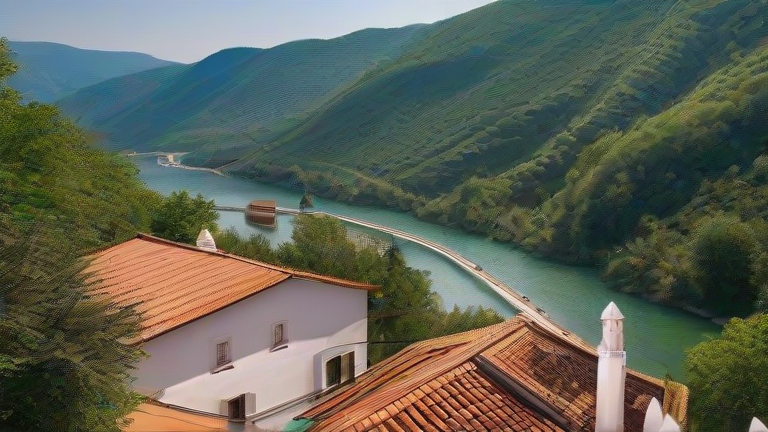
TL;DR: This 18-day itinerary covers Croatia, Montenegro, Bosnia and Herzegovina, and Albania, blending cultural exploration with physical activity. Prioritizing sleep hygiene, hydration, and mindful eating ensures you maintain energy levels while navigating diverse terrains and cuisines.
Planning Your Healthy Balkan Adventure
If you want to dig deeper, check out our guide on How Cement Plants Can Remove CO₂ from the Atmosphere.
Embarking on an 18-day journey across four distinct Balkan nations offers a rich tapestry of history, coastline, and mountain trails. However, maintaining health and wellness during such a dynamic trip requires strategic planning. The Balkans offer incredible opportunities for active travel, from hiking the Durmitor National Park in Montenegro to exploring the ancient ruins of Dubrovnik in Croatia. By integrating science-backed wellness practices into your daily routine, you can maximize enjoyment and minimize travel fatigue.
Hydration and Nutrition Strategies
The Mediterranean climate, particularly along the Adriatic coast, can be deceptively hot and humid. Dehydration is a common culprit for travel fatigue and headaches. Aim to drink at least two to three liters of water daily, increasing intake during hiking excursions. Local markets in Sarajevo and Tirana offer affordable, fresh produce. Incorporate plenty of leafy greens, tomatoes, and cucumbers into your meals to boost electrolyte balance.
Nutritionally, the Balkan diet is rich in healthy fats and lean proteins. Olive oil is a staple in Croatian and Albanian cuisine, providing heart-healthy monounsaturated fats. While lamb and kebabs are delicious, balance them with grilled vegetables and legumes. In Bosnia, lentil soup (čorba) is a nutritious option that provides sustained energy for afternoon activities. Be mindful of alcohol consumption, especially if engaging in high-altitude activities, as alcohol dehydrates the body and disrupts sleep patterns.
Physical Activity and Recovery
Active travel is key to feeling revitalized rather than exhausted. Instead of relying solely on buses or private transfers, walk as much as possible. The old towns of Mostar and Kotor are best explored on foot, offering low-impact cardio that improves circulation and mental clarity. For more intense exercise, consider kayaking along the Boka Kotorska Bay or hiking the Prokletije mountains in northern Albania. These activities engage large muscle groups and boost endorphin levels, combating the stress of long flights and transit.
Recovery is equally important. Ensure you get seven to nine hours of quality sleep each night. Use earplugs and eye masks if your accommodation faces a busy street or receives early morning sunlight. Practice deep breathing exercises before bed to lower cortisol levels. Incorporate stretching or yoga into your morning routine to prepare your body for the day’s activities. This not only prevents injury but also enhances flexibility and reduces muscle soreness.
Mental Wellness and Cultural Immersion
Travel stress can accumulate quickly. Mitigate this by setting realistic daily goals. Avoid over-scheduling; leave room for spontaneous discoveries and rest. Engage with locals to gain deeper cultural insights, which can enhance your sense of connection and well-being. Mindfulness practices, such as journaling or meditation, can help you process the sensory overload of new environments. By staying present and appreciating the moment, you transform a standard vacation into a restorative health experience.
FAQ
Q: What is the best time of year to visit the Balkans for optimal weather?
A: Late spring (May to June) and early autumn (September to October) offer mild temperatures, ideal for hiking and outdoor activities without the peak summer crowds.
Q: How can I stay healthy while eating out in regions with rich, fatty cuisines?
A: Opt for grilled fish or lean meats over fried options, request sauces on the side, and fill half your plate with fresh vegetable salads to balance nutrient intake.
Q: Is tap water safe to drink in Croatia, Montenegro, Bosnia, and Albania?
A: Tap water is generally safe in urban areas of Croatia and Montenegro, but it is advisable to drink bottled water in rural areas or when visiting Bosnia and Albania to avoid stomach upset.
Leave a Reply