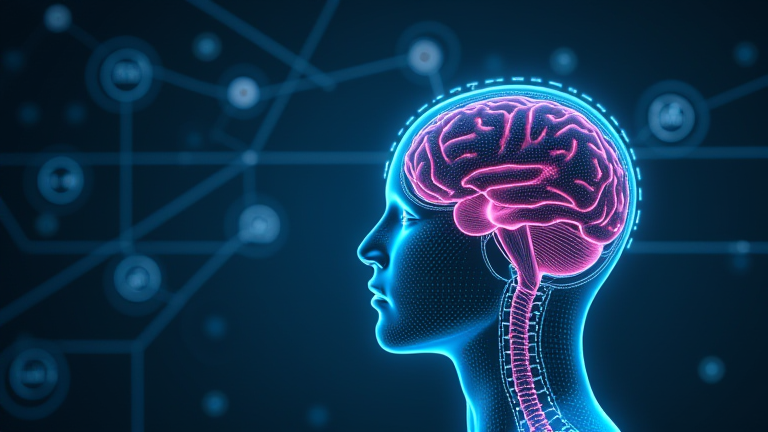
Brain-Computer Interfaces Restore Mobility for Paralyzed Users
TL;DR: Brain-computer interfaces (BCIs) are rapidly transitioning from clinical trials to commercial viability, enabling paralyzed individuals to control external devices with thought alone. This emerging market is driven by breakthroughs in neural decoding and electrode longevity, promising a multi-billion dollar industry by 2030.
Market Analysis and Growth Trajectory
The global BCI market is projected to exceed $10 billion by 2030, growing at a compound annual growth rate (CAGR) of over 15%. This expansion is fueled by increasing funding from both public health initiatives and private venture capital. The primary driver remains the medical sector, where there is an unmet need for assistive technologies for patients with spinal cord injuries, stroke, and neurodegenerative diseases. As the cost of neural interface hardware decreases and reimbursement pathways become clearer, adoption rates are accelerating. Furthermore, the integration of artificial intelligence in signal processing has significantly improved the reliability of BCI systems, making them more attractive to hospital networks and rehabilitation centers worldwide. The market is currently segmented into invasive and non-invasive categories, with invasive BCIs offering higher bandwidth and precision, while non-invasive solutions target broader consumer applications like cognitive enhancement and gaming.
If you want to dig deeper, check out our guide on Why the Samsung Galaxy S24 Ultra Is the Best Android Phone.
Strategic Insights for Stakeholders
Success in this domain requires a dual-focus strategy balancing technological innovation with regulatory compliance. Companies must prioritize long-term biocompatibility and safety, as patient trust is paramount. Strategic partnerships with top-tier neurology departments are essential for generating high-quality clinical data, which is critical for FDA and CE mark approvals. Additionally, leveraging cloud computing for real-time neural data processing allows for continuous system optimization. Startups should focus on niche applications initially, such as communication aids for locked-in patients, before expanding into full mobility restoration. Investors are advised to look for companies with proprietary electrode technologies that minimize immune response, as this is a key differentiator in the competitive landscape. Data privacy and security also remain critical concerns, requiring robust encryption standards for any neural data transmitted or stored.
Case Studies: Real-World Impact
Synchron’s Stentrode system offers a compelling case study in minimally invasive BCI technology. By delivering electrodes via the venous system, they bypass the need for open brain surgery, reducing patient risk and recovery time. Early trials have shown patients successfully controlling digital interfaces and even robotic arms. Similarly, Neuralink’s N1 implant has demonstrated high-channel-count data transmission, allowing for precise cursor control at speeds comparable to a mouse. These successes highlight the potential for BCI to move beyond the lab and into daily life. However, challenges remain, including the durability of implants over several years and the complexity of surgical procedures. Despite these hurdles, the trajectory is clear: BCIs are becoming a standard part of advanced neurological care, offering hope and regained autonomy to those who need it most.
FAQ
Q: Are brain-computer interfaces safe for long-term use?
A: Current data suggests high safety profiles, particularly with minimally invasive methods, but long-term studies are ongoing to monitor tissue response and device durability over many years.
Q: How much does a BCI implant cost?
A: Costs vary widely by technology, but invasive systems can range from $50,000 to over $100,000, though prices are expected to drop as manufacturing scales up.
Q: Can BCIs restore full natural movement?
A: Currently, BCIs primarily control external prosthetics or digital interfaces; restoring direct, natural muscle movement is an active area of research but not yet widely available.
Leave a Reply