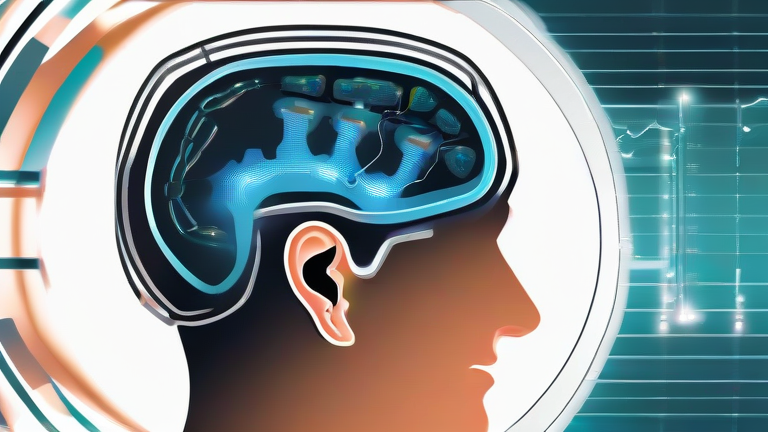
Brain-Computer Interfaces: Neurotech for Paralysis Recovery
The landscape of neurological rehabilitation is undergoing a profound transformation, driven by the rapid advancement of Brain-Computer Interfaces (BCIs). Once confined to the realm of science fiction, BCIs are now emerging as viable, FDA-approved medical devices capable of restoring motor function and communication for individuals suffering from severe paralysis. This convergence of neuroscience, machine learning, and hardware engineering represents not just a medical breakthrough, but a significant commercial opportunity for investors and healthcare stakeholders alike.

From a market analysis perspective, the global neurotechnology sector is projected to reach values exceeding $10 billion by 2030, with BCI applications for therapeutic recovery accounting for the largest share of this growth. The primary drivers include an aging global population, rising incidents of stroke and spinal cord injuries, and increased government funding for digital health initiatives. Unlike traditional prosthetics, which often require extensive physical training and offer limited range of motion, BCIs bypass damaged neural pathways by decoding motor intentions directly from cortical activity. This capability addresses a critical unmet need, creating a high-value market where patients are willing to invest in solutions that promise autonomy and dignity.
If you want to dig deeper, check out our guide on How AI Agents Automate Enterprise Workflows for Efficiency.
Strategic insights for companies entering this space highlight the importance of a hybrid approach combining robust hardware with adaptive software algorithms. Success in the BCI market requires more than just technical precision; it demands seamless integration into existing clinical workflows and user-friendly interfaces for non-expert operators. Companies must prioritize data privacy and cybersecurity, as neural data is uniquely sensitive and personal. Furthermore, a sustainable business model often involves a mix of direct-to-consumer sales for less severe cases and partnerships with insurance providers for high-cost, complex implantable systems. Early movers who establish strong clinical evidence and regulatory approvals will likely capture significant market share, creating high barriers to entry for latecomers.
Leave a Reply