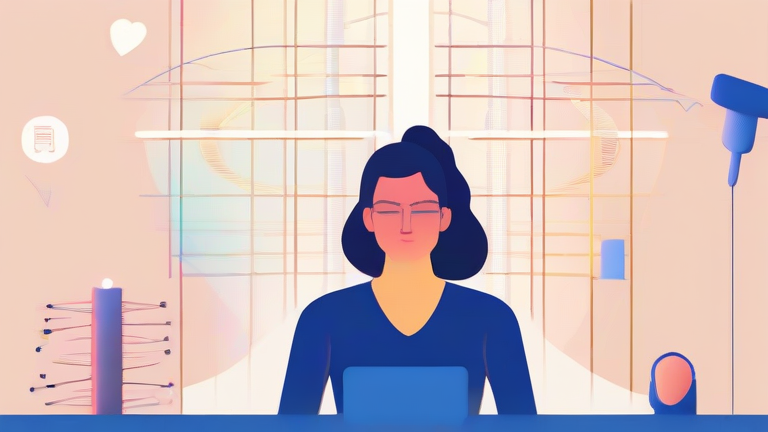
Biofeedback in Mental Health Apps for Stress Relief

In an era where digital wellness has become a cornerstone of modern healthcare, biofeedback technology stands out as a transformative tool for managing stress and anxiety. Biofeedback involves using electronic monitoring to convey information about physiological processes, such as heart rate variability (HRV) and skin conductance, to the user in real-time. This immediate feedback loop allows individuals to learn how to consciously control these involuntary bodily functions, fostering a deeper mind-body connection that is essential for long-term mental health.
The Science Behind the Screen
Modern mental health applications leverage advanced algorithms to interpret data from wearable devices, such as smartwatches or finger clips. When you feel stressed, your sympathetic nervous system activates, causing your heart rate to spike and your breathing to become shallow. Biofeedback apps detect these subtle changes and guide you through breathing exercises or mindfulness techniques to activate the parasympathetic nervous system. Scientific studies have consistently shown that regular practice of these techniques can lower cortisol levels, reduce blood pressure, and improve emotional regulation. By visualizing your physiological state, you transform abstract feelings of anxiety into manageable, data-driven challenges.
Integrating Biofeedback into Your Daily Routine
To maximize the benefits of biofeedback, consistency is key. Start by setting aside just ten minutes each day for a guided session. Many apps offer short, focused exercises that fit seamlessly into a busy lifestyle. For instance, you can practice during your morning commute or right before bed to improve sleep quality. It is crucial to choose an app that provides clear, actionable insights rather than just raw data. Look for features that track progress over time, allowing you to see how your resilience improves with consistent practice.
Additionally, combine biofeedback with traditional lifestyle adjustments. Adequate sleep, regular physical activity, and a balanced diet significantly enhance the effectiveness of these digital tools. Avoid using your devices as a sole crutch; instead, view them as training wheels that help you develop internal cues for relaxation. Over time, you will become more attuned
Leave a Reply