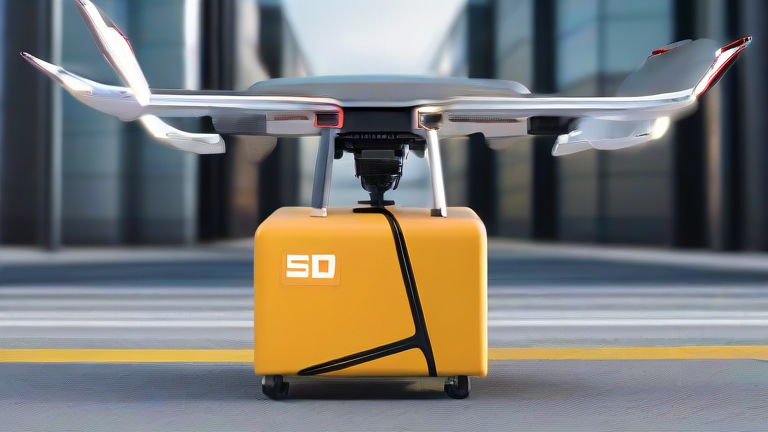
Autonomous Delivery Drones Expand Globally: The Future of Logistics
The logistics industry stands on the precipice of a technological revolution. For decades, the last-mile delivery problem has been a persistent bottleneck, characterized by high costs, traffic congestion, and environmental concerns. However, the rapid advancement of autonomous aerial vehicles is reshaping this landscape. As regulatory frameworks mature and battery technologies improve, autonomous delivery drones are transitioning from experimental novelties to essential components of global supply chains. This shift promises not only to accelerate delivery speeds but also to significantly reduce the carbon footprint of urban freight transport.
Market Analysis: A Surge in Adoption
The global market for drone logistics is experiencing exponential growth. Industry analysts project that the sector will reach a valuation of over $20 billion by 2030, driven by increasing demand for same-day and instant delivery services across e-commerce, healthcare, and food sectors. Key growth drivers include the rising cost of human labor and the consumer expectation for unprecedented speed and convenience. Furthermore, the integration of artificial intelligence allows drones to navigate complex urban environments with greater precision and safety, reducing the risk of accidents and liability issues that previously hindered widespread adoption.
If you want to dig deeper, check out our guide on 10 Proven Business Growth Strategies for 2024.

Strategic Insights for Industry Players
For logistics companies looking to capitalize on this trend, a strategic approach is crucial. Success in this arena requires more than just purchasing hardware; it demands a holistic integration of drone technology into existing operational workflows. Companies must invest in robust data analytics platforms to optimize flight paths, manage fleet maintenance, and ensure real-time communication with air traffic control systems. Additionally, building strong relationships with local governments and regulatory bodies is essential to navigate the complex legal landscape surrounding airspace usage. Strategic partnerships with technology providers can also mitigate risks and accelerate the deployment timeline, allowing firms to focus on core competencies such as customer service and supply chain optimization.
Case Studies: Pioneers in the Field
Several companies have already demonstrated the viability of autonomous drone delivery through successful pilot programs. Zipline, for instance, has revolutionized medical supply distribution
Leave a Reply