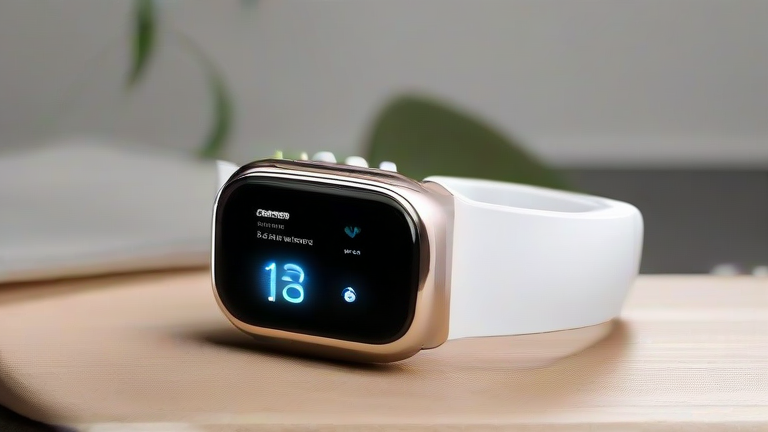
TL;DR: AI sleep coaching wearables are not just step counters; they are personalized sleep scientists on your wrist, analyzing your heart rate, breathing, and movement to deliver tailored advice. Yes, they represent the future of wellness by turning raw sleep data into actionable, science-backed habits that improve recovery and daily energy.
Why AI Sleep Coaching Beats Generic Sleep Advice
Traditional sleep tips—”keep your room dark” or “avoid caffeine”—are one-size-fits-all. AI wearables, however, learn your unique sleep architecture. They track sleep stages (light, deep, REM) and use machine learning to identify patterns, such as how late-evening workouts or a glass of wine affect your deep sleep. Instead of a vague score, you get specific nudges: “Your resting heart rate rose 8% after your 7 PM run; try finishing exercise before 5 PM to improve deep sleep.” This precision is backed by chronobiology—the science of your body’s internal clock—and makes advice far more actionable.
If you want to dig deeper, check out our guide on Shopify Plus: 7 Advanced Setup Tips for High-Volume Stores.
Science-Backed Features to Look For
Not all wearables are equal. Prioritize devices that measure heart rate variability (HRV) and respiratory rate. Low HRV during sleep signals stress and poor recovery, while consistent respiratory patterns correlate with fewer nighttime awakenings. The best AI coaches also use “sleep debt” algorithms, which adjust your bedtime based on recent nights, not just one night’s data. This prevents the common mistake of over-sleeping on weekends, which disrupts your circadian rhythm.
Lifestyle Tips to Maximize Your Wearable’s Impact
First, wear the device consistently for at least two weeks—AI needs baseline data. Second, pair your wearable with a fixed wake-up time, even on weekends. This anchors your circadian rhythm, making AI recommendations more accurate. Third, use the “smart alarm” feature that wakes you during light sleep, reducing grogginess. Finally, don’t obsess over nightly scores; view a 7-day trend instead. Your wearable is a coach, not a judge—use its insights to experiment (e.g., move dinner earlier) and track what works.
FAQ
Q: Can AI wearables actually cure insomnia?
A: No, but they can support cognitive behavioral therapy for insomnia (CBT-I) by tracking sleep restriction and stimulus control adherence. For chronic insomnia, always consult a physician—a wearable is a tool, not a treatment.
Q: Do these wearables drain battery or cause skin irritation?
A: Modern models last 5–7 days on a charge. For skin irritation, choose a device with a soft silicone band and rotate wrists nightly. Clean the sensor with alcohol weekly to prevent dermatitis.
Q: Is the data accurate enough to replace a sleep lab test?
A: No—wearables miss brainwave activity (EEG), which is the gold standard for diagnosing apnea or epilepsy. However, for healthy adults, they are 85–90% accurate for sleep stage detection, making them excellent for daily wellness coaching.
Leave a Reply