
Metaverse Workspaces Gain Traction: The Future of Remote Work
The landscape of professional collaboration is undergoing a seismic shift. As remote work transitions from a temporary necessity to a permanent fixture of the global economy, companies are increasingly looking beyond traditional video conferencing tools to immersive digital environments. The metaverse, once dismissed as a speculative concept, is rapidly emerging as a viable platform for enterprise collaboration. This article explores the latest developments, technical specifications, and the profound industry impact of virtual workspaces.
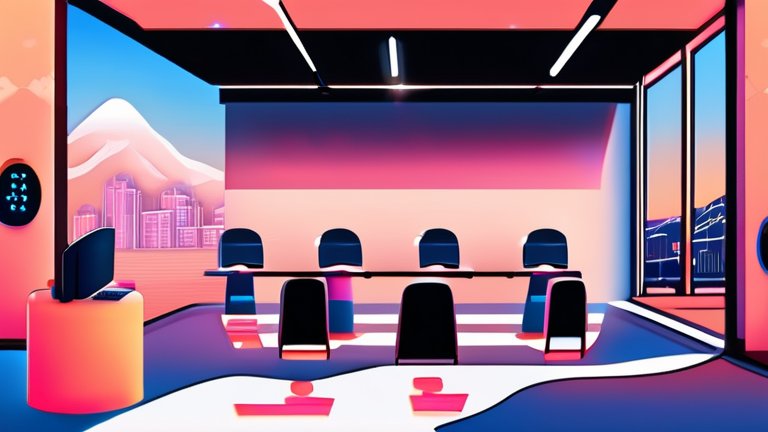
Recent developments indicate that major technology firms are accelerating the deployment of persistent 3D work environments. Platforms like Microsoft Mesh, Unity Viverse, and NVIDIA Omniverse are leading the charge, offering integrated suites that blend spatial audio, 3D modeling, and real-time collaboration. Unlike flat 2D screens, these platforms leverage spatial computing to create a sense of “presence.” Users can now walk through virtual boardrooms, gather around holographic data visualizations, and interact with colleagues using expressive avatars that convey non-verbal cues often lost in Zoom calls. This shift addresses the growing fatigue associated with screen-based isolation, aiming to restore the spontaneity and social nuance of physical office interactions.
If you want to dig deeper, check out our guide on Urban Mobility: The Rise of Autonomous eVTOL Taxis.
From a technical standpoint, the viability of these platforms hinges on robust infrastructure and user-friendly hardware. Modern metaverse workspaces require high-fidelity rendering capabilities, low-latency networking, and intuitive user interfaces. Specifications have evolved significantly; today’s enterprise-ready platforms support high-resolution textures, ray-traced lighting, and physics-based interactions to ensure realism. For users, this often means compatibility with a range of devices, from standalone VR headsets like the Meta Quest Pro to mixed-reality glasses such as the Microsoft HoloLens 2. Crucially, the trend is moving toward “WebXR” accessibility, allowing users to enter virtual spaces via standard web browsers without the need for specialized hardware, thereby lowering the barrier to entry for widespread adoption.
The industry impact of this technological evolution is already being felt across various sectors. In the tech industry, software development teams are utilizing virtual whiteboards to brainstorm code architectures in real-time, while architects and engineers are collaborating on 3D blueprints in shared virtual
Leave a Reply