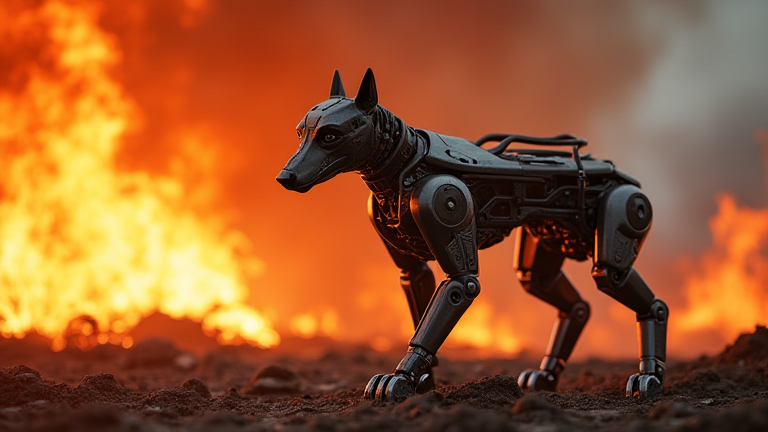
TL;DR: Chinese robot dogs are currently deployed in hazardous environments to detect toxic leaks and fight fires, thereby keeping human rescuers safe from immediate danger. These autonomous units utilize advanced sensors and thermal imaging to navigate complex terrains where human entry is too risky.
Deploying Autonomous Rescue Units in Hazard Zones
The integration of quadruped robots into emergency response protocols represents a significant leap in public safety technology. These machines, often referred to as “robot dogs,” are engineered to withstand extreme heat, corrosive chemicals, and unstable structures. By sending these units into the front lines, fire departments and hazardous material teams can assess situations without exposing human lives to unnecessary peril. The following guide outlines the operational procedures for effectively utilizing these robotic assets in critical incident scenarios.
If you want to dig deeper, check out our guide on Exploring Astana (Nur-Sultan), the Heart of Kazakhstan.
Step-by-Step Deployment Instructions
Step 1: Pre-Deployment Inspection
Before entering the zone, technicians must conduct a thorough diagnostic check. Verify battery levels, sensor calibration, and communication links. Ensure the thermal camera and gas detection modules are functioning correctly. A minor sensor error can lead to misinterpreted data, so rigorous testing is non-negotiable.
Step 2: Remote Activation and Navigation
Operators should activate the unit from a safe distance using a secure radio frequency link. Begin navigation by mapping the environment. The robot’s LiDAR sensors will create a real-time 3D map of the surroundings, allowing operators to guide the unit through debris or smoke-filled corridors without line-of-sight contact.
Step 3: Hazard Detection and Data Transmission
Once inside, instruct the robot to scan for specific threats. If fighting fires, monitor thermal readings to identify the fire’s heart. For toxic leaks, activate gas sensors to detect chemical concentrations. The robot transmits this data instantly to the command center, enabling strategic decision-making without physical presence.
Step 4: Intervention and Extraction
If equipped with extinguishing nozzles or sample collection tools, direct the robot to perform precise tasks. Retrieve vital evidence or samples. Once the objective is complete, recall the unit immediately to prevent damage from prolonged exposure.
Pro Tips for Maximum Efficiency
Always maintain a redundant communication channel. Weather conditions can disrupt signals, so having a backup method ensures continuous control. Additionally, train operators to interpret sensor data quickly, as seconds count in rescue operations. Regular updates to the robot’s firmware are essential to adapt to new types of hazards and improve autonomous navigation capabilities.
FAQ
Q: How long can these robot dogs operate continuously?
A: Most models offer between two to four hours of continuous operation, depending on the battery capacity and the intensity of the tasks performed.
Q: Can these robots replace human firefighters entirely?
A: No, they are designed to assist and gather intelligence, not to replace human judgment or complex physical interventions that require human dexterity.
Q: Are these robots waterproof and fireproof?
A: Yes, they are built with specialized materials to resist high temperatures and water exposure, allowing them to function in extreme environmental conditions.
Leave a Reply