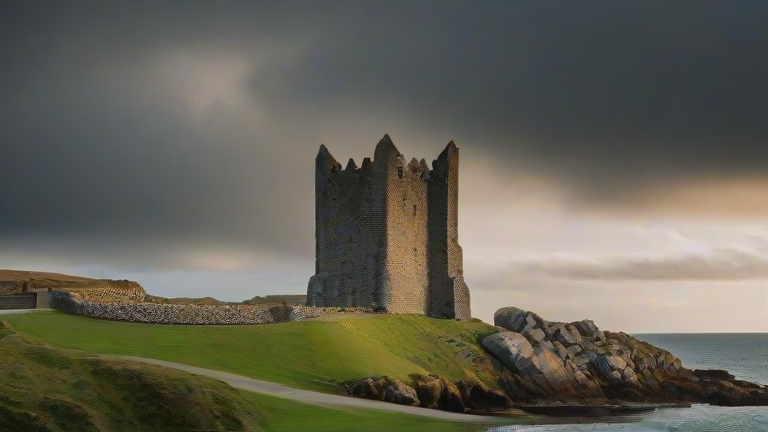
TL;DR: Ireland exceeded my expectations by offering a perfect blend of rugged natural beauty, rich historical depth, and unparalleled hospitality. This guide helps you navigate the Emerald Isle efficiently to maximize your unforgettable experience.
Embracing the Emerald Isle
Planning a trip to Ireland requires shifting your mindset from rigid itineraries to flexible exploration. The country’s charm lies in its spontaneity, from sudden rain showers that paint the landscape in deeper greens to conversations with locals in cozy pubs. To truly exceed expectations, you must embrace the rhythm of Irish life rather than fighting against it. This guide provides the essential framework for a seamless journey, ensuring you see the highlights while discovering hidden gems along the way.
If you want to dig deeper, check out our guide on How to Choose the Best Running Shoes for Flat Feet.
Step-by-Step Planning and Execution
First, determine your travel style. Ireland is best experienced by road, allowing you to stop at will. Renting a car is highly recommended, especially if you plan to explore the Wild Atlantic Way or the Ring of Kerry. Choose a compact vehicle for narrow country roads, but ensure it has ample space for luggage. Booking accommodations in advance during peak summer months is crucial, as availability vanishes quickly. Consider mixing boutique B&Bs with historic castles for a varied experience.
Next, structure your route logically. Start in Dublin to absorb the urban culture, visit the Guinness Storehouse, and explore Trinity College. Then, head west towards Galway City, known for its vibrant arts scene and traditional music. From there, venture into the Connemara region for dramatic mountain scenery and lonely beaches. If time permits, cross the water to County Clare to witness the Cliffs of Moher at sunrise, avoiding the midday crowds. Finally, loop back through the historic town of Kilkenny before returning to the capital.
Essential Tips for Success
Pack layers. The weather is notoriously changeable; you might experience four seasons in a single day. A waterproof jacket is non-negotiable, regardless of the forecast. Embrace the pub culture as a social hub. It is not just about drinking; it is about listening to live traditional music, playing board games, and meeting fellow travelers. Always carry cash, as some rural establishments and small markets do not accept cards.
Respect the local etiquette. The Irish value politeness and conversation. Do not rush interactions; take time to chat with shopkeepers or drivers. When visiting historical sites, maintain a respectful silence, allowing the weight of history to sink in. Finally, try the local cuisine beyond fish and chips. Seek out fresh seafood, soda bread, and Irish stews. Engage with the community, ask for recommendations, and let the land surprise you. By following these steps, you will find that Ireland offers far more than postcard views; it offers a transformative experience that lingers long after you leave.
FAQ
Q: What is the best time of year to visit Ireland?
A: The best time is from April to October, when weather is milder and days are longer, though spring offers blooming landscapes and autumn provides stunning foliage.
Q: Do I need to drive in Ireland?
A: While public transport connects major cities, renting a car is highly recommended to explore rural areas, coastal drives, and remote villages at your own pace.
Q: Is Ireland expensive for tourists?
A: Ireland can be costly, particularly in Dublin, but costs can be managed by eating at local cafes, using public transport, and booking accommodations well in advance.
Leave a Reply