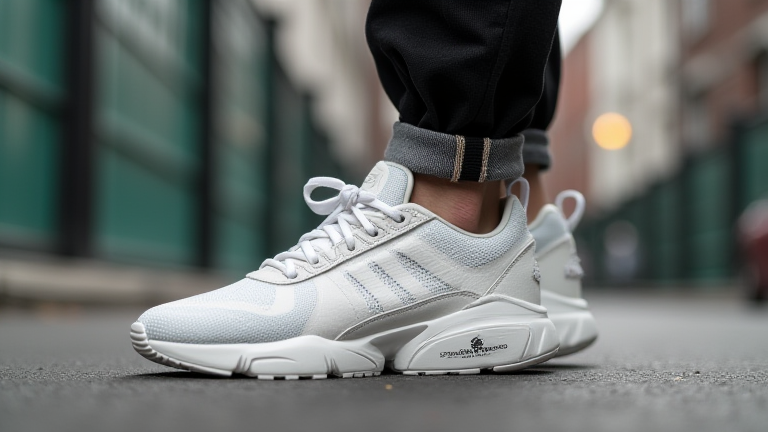
TL;DR: The top five sustainable sneaker trends defining modern streetwear are the rise of bio-based materials, circular economy models, transparent supply chains, upcycled vintage designs, and waterless dyeing techniques. These innovations are transforming consumer expectations from mere aesthetics to ethical responsibility and environmental stewardship.
Top 5 Sustainable Sneaker Trends Defining Modern Streetwear
The intersection of streetwear culture and environmental consciousness has never been more vibrant. As Gen Z and Millennial consumers increasingly demand accountability from the brands they support, the sneaker industry is undergoing a radical transformation. This shift is not merely a marketing gimmick but a fundamental restructuring of design, production, and disposal processes. Here are the five dominant trends shaping this new era of footwear.
If you want to dig deeper, check out our guide on 10 Science-Backed Health Tips for a Longer Life.
First, the adoption of bio-based materials is accelerating rapidly. Brands are moving away from traditional petroleum-based plastics and animal leathers, opting instead for innovations like mushroom leather (mycelium), pineapple leaf fiber (Piñatex), and algae-based foams. According to recent market analysis, the sustainable footwear segment is projected to grow at a compound annual growth rate (CAGR) of 11.5% through 2030. This surge is driven by consumers who view plant-based alternatives as not only ethical but also technologically superior in terms of breathability and comfort.
Second, circular economy models are becoming the new standard. The concept of “buy once, wear forever” is evolving into “buy, return, recycle.” Major players are launching take-back programs where old sneakers are ground down and repurposed into new shoe components or playground surfaces. This closed-loop system reduces waste and creates a recurring revenue stream for brands, fostering deeper customer loyalty. Expert insights suggest that by 2028, over 30% of major sneaker brands will offer some form of recycling or resale program.
Third, transparency in supply chains is no longer optional. Consumers are using QR codes to trace the journey of their shoes from raw material sourcing to final assembly. This trend demands radical honesty regarding labor practices and carbon footprints. Brands that fail to provide clear, verifiable data risk significant reputational damage and loss of market share in an increasingly informed marketplace.
Fourth, upcycled vintage designs are gaining traction. Designers are deconstructing deadstock inventory and vintage materials to create one-of-a-kind, limited-edition drops. This trend appeals to the streetwear ethos of exclusivity while simultaneously addressing the issue of overproduction. It transforms waste into high-value assets, appealing to collectors who value uniqueness and sustainability equally.
Finally, waterless dyeing techniques are revolutionizing production. Traditional textile dyeing is one of the most polluting processes in the fashion industry. New technologies using supercritical carbon dioxide and pigment infusion significantly reduce water usage and chemical discharge. These methods allow for vibrant, durable colors without the environmental toll, setting a new benchmark for industrial sustainability.
FAQ
Q: What is the primary driver behind the shift to sustainable sneakers?
A: The primary driver is the increasing demand from Gen Z and Millennial consumers who prioritize ethical production and environmental impact over traditional brand loyalty.
Q: How do bio-based materials compare to traditional synthetics?
A: Bio-based materials offer similar durability and performance while significantly reducing carbon footprints and reliance on non-renewable petroleum resources.
Q: What role does the circular economy play in streetwear?
A: The circular economy transforms waste into resources through take-back and recycling programs, creating sustainable business models that extend product lifecycles.
Leave a Reply