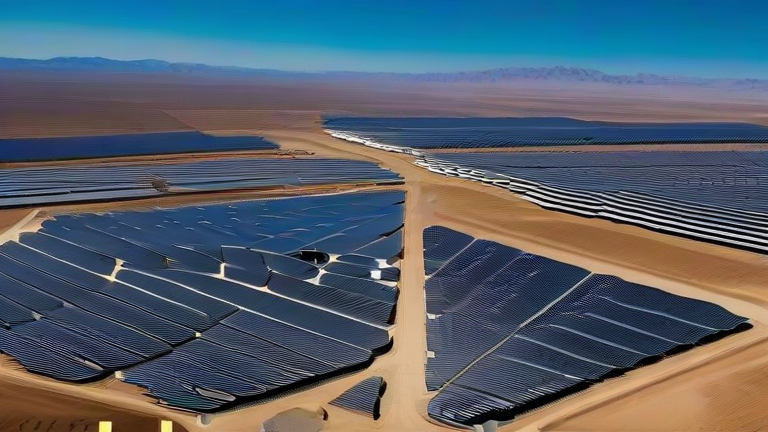
TL;DR: Elon Musk’s $10 billion solar plant investment directly fuels the capital-intensive expansion of his $16.8 billion semiconductor initiative by securing affordable, sustainable energy. This strategic alignment reduces operational overhead while positioning his companies at the forefront of the green technology transition, creating a synergistic ecosystem that appeals to eco-conscious investors.
The Energy-Semiconductor Nexus
The intersection of renewable energy infrastructure and advanced semiconductor manufacturing represents one of the most significant strategic pivots in modern industrial history. Traditionally, chip fabrication has been criticized for its immense energy consumption, often requiring continuous, massive power inputs to maintain the cleanliness and stability of fabrication environments. By committing $10 billion to a massive solar plant, the administration behind this push is addressing the primary bottleneck of semiconductor scalability: energy cost and carbon footprint. This move is not merely about sustainability; it is a calculated economic maneuver that stabilizes long-term operational expenses, allowing for greater reinvestment into research and development within the $16.8 billion chip initiative.
Market Analysis and Strategic Insights
From a market perspective, the global demand for semiconductors continues to outpace supply, driven by the proliferation of artificial intelligence, electric vehicles, and autonomous systems. However, traditional manufacturing models are becoming increasingly untenable due to fluctuating energy prices and stringent environmental regulations. The strategy here is twofold. First, it insulates the semiconductor division from volatile energy markets by securing a dedicated, low-cost power source. Second, it enhances brand equity in a marketplace where corporate social responsibility is no longer optional but a competitive differentiator.
Insights from industry analysts suggest that vertical integration of energy production with high-tech manufacturing creates a formidable moat. Competitors relying on grid power face higher marginal costs and greater regulatory risk. In contrast, this integrated approach allows for predictive energy management, optimizing production schedules around peak solar generation. This efficiency gain translates directly to improved margins, enabling more aggressive pricing strategies or accelerated innovation cycles. The $16.8 billion investment is thus not just a purchase of machinery, but a purchase of operational resilience and market leadership in the green tech sector.
Case Studies in Synergy
Historical precedents support this strategic vision. Traditional tech giants have long struggled with the disconnect between their digital products and physical energy needs. By contrast, early adopters of on-site renewable energy in manufacturing have reported significant reductions in overhead. For instance, similar integrations in the automotive sector have shown that energy independence can accelerate production ramp-up times by reducing dependency on external utility providers during peak demand. Applying this model to semiconductors, which require unwavering power stability, offers a unique advantage. The solar plant ensures that fabrication facilities remain operational even during broader grid disruptions, a critical factor in maintaining supply chain integrity. This case study illustrates that the true value of the $10 billion investment lies not in the electricity itself, but in the reliability and sustainability it brings to the $16.8 billion chip push, creating a holistic business model that is both economically robust and environmentally responsible.
FAQ
Q: How does the solar plant specifically reduce costs for the chip division?
A: By generating its own power, the chip division avoids volatile grid prices and secures a low-cost, predictable energy supply for energy-intensive fabrication processes.
If you want to dig deeper, check out our guide on Anthropic AI Agents: Killing Rivals & Hiding Tracks.
Q: What is the total combined investment value mentioned in the article?
A: The article highlights a $10 billion solar investment and a $16.8 billion semiconductor push, totaling $26.8 billion in strategic capital deployment.
Q: Why is energy independence critical for semiconductor manufacturing?
A: Chip fabrication requires constant, stable power; energy independence ensures operational continuity during grid disruptions and reduces reliance on external utilities.
Leave a Reply