
Vertical Farming Scales to Feed Megacities
As urban populations swell and arable land shrinks, the traditional model of agriculture is facing an existential crisis. Enter vertical farming, a revolutionary approach that stacks crops in controlled indoor environments. This technology is not just a niche experiment; it is scaling rapidly to meet the food demands of megacities worldwide. But how does it perform in practice? This review examines the leading systems available today, highlighting their efficiency, scalability, and impact on urban sustainability.
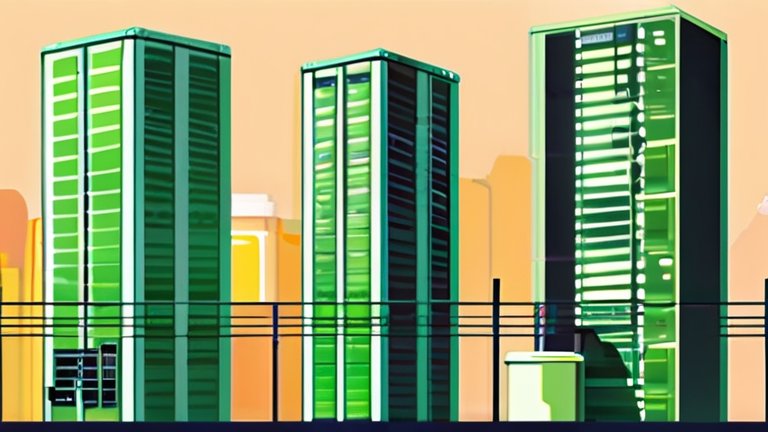
The core appeal of vertical farming lies in its resource efficiency. Traditional agriculture consumes approximately 70% of the world’s freshwater, whereas vertical farms can reduce water usage by up to 95% through closed-loop hydroponic or aeroponic systems. Furthermore, by utilizing light-emitting diodes (LEDs) tuned to specific spectrums, growers can optimize photosynthesis year-round, regardless of external weather conditions. This independence from seasonal changes ensures a consistent supply of fresh produce, a critical factor for feeding dense urban populations that rely on stable food sources.
When comparing leading vertical farming solutions, three key features emerge as industry standards: energy efficiency, automation, and crop diversity. Top-tier systems now integrate artificial intelligence to monitor plant health, adjusting nutrient levels and lighting in real-time. This automation reduces labor costs, which have historically been a barrier to scalability. For instance, the “GreenTower Pro” model features automated harvesting arms that significantly outperform manual labor, offering a 40% increase in yield per square foot compared to earlier generations.
In contrast to smaller, hobbyist-grade units, industrial-scale vertical farms like “UrbanHarvest 3000” focus on commercial viability. These systems are designed to integrate directly into existing infrastructure, such as abandoned warehouses or shipping containers, minimizing construction costs. While initial setup costs remain high, the long-term operational savings and premium pricing for pesticide-free produce often result in a positive return on investment within three to five years.
However, challenges persist. The most significant hurdle is energy consumption. Although LEDs have become more efficient, the sheer volume of electricity required to power thousands of lights remains a concern. Innovations in renewable energy integration, such as rooftop
Leave a Reply