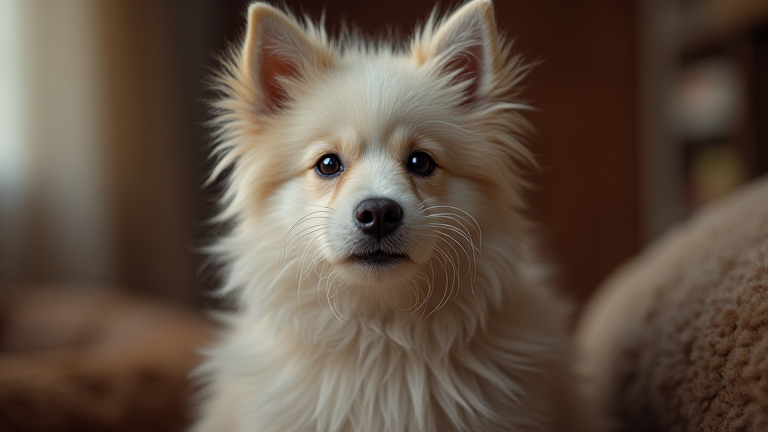
TL;DR: Recent studies suggest that exposure to certain components of pet dust, including microscopic fibers from dog hair, may help stimulate the infant immune system, potentially reducing the risk of respiratory infections. This “hygiene hypothesis” implies that early, controlled exposure to diverse environmental microbes can train the body to fight off harmful pathogens more effectively.
Embracing the Fluff: A Guide to Safe Pet Exposure
Bringing a new puppy into a home with a newborn baby is a delicate balance. While the idea of sharing air with a shedding dog might sound chaotic, scientific evidence indicates that pet dander and associated dust particles can play a surprisingly protective role in early childhood development. To harness these benefits safely, you must follow a structured approach that prioritizes hygiene without eliminating the beneficial microbial exposure entirely.
If you want to dig deeper, check out our guide on Potassium vs. Sodium: Does Your Intake Amount Matter?.
Step-by-Step Implementation
First, establish a grooming routine for your dog that balances cleanliness with microbial diversity. Brush your dog outdoors whenever possible to remove loose hair and dander before it settles into the indoor environment. This prevents excessive accumulation while ensuring that the remaining particles are part of a natural, varied ecosystem rather than concentrated allergens. Use a high-efficiency particulate air (HEPA) filter vacuum cleaner regularly to manage the physical debris, but avoid using harsh chemical disinfectants on surfaces where the baby plays, as these can kill beneficial bacteria alongside the harmful ones.
Second, create designated “pet-free zones” in your home, such as the baby’s crib or nursing chair. This allows the baby to have a clean sanctuary for sleep while still breathing the naturally filtered air present in the rest of the house. Open windows daily to promote cross-ventilation, which dilutes the concentration of any potential irritants while introducing fresh outdoor microbes that contribute to immune diversity. Monitor your baby for any signs of allergic reaction, such as excessive sneezing, wheezing, or skin rashes, and consult a pediatrician immediately if symptoms persist.
Third, wash your hands thoroughly before handling your baby after petting or cleaning up after your dog. This simple step prevents the transfer of dirt or fecal matter while allowing the airborne microscopic particles to remain in the environment. Over time, as your baby grows and explores, supervised interactions with the dog in a clean, well-ventilated room can further support immune system maturation. Remember, the goal is not to eliminate pet hair, but to manage it responsibly to create a balanced microbial environment.
FAQ
Q: Is all pet dust beneficial?
A: Not necessarily; while diverse microbial exposure is helpful, excessive dander can trigger allergies in sensitive individuals, so moderation and hygiene are key.
Q: How often should I vacuum to maintain benefits?
A: Vacuuming two to three times a week with a HEPA filter is sufficient to remove excess debris while maintaining a healthy microbial presence in the home.
Q: Can I still use air fresheners?
A: It is best to avoid strong chemical air fresheners, as they can irritate baby’s lungs; opt for natural ventilation or mild, fragrance-free cleaners instead.
Leave a Reply