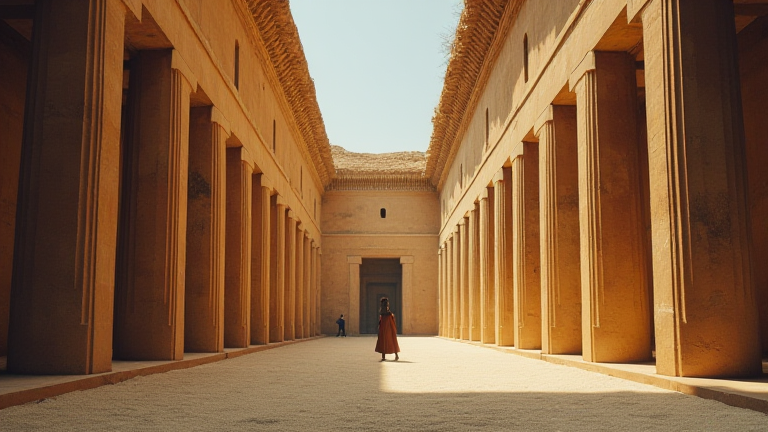
TL;DR: The Mogao Caves in Gansu represent the world’s richest repository of ancient Buddhist murals, offering unparalleled insights into Silk Road history and art. This cultural treasure drives significant tourism revenue and inspires modern creative industries through digital preservation and strategic heritage management.
The Economic Power of Cultural Heritage

The Mogao Caves, located near Dunhuang in Gansu Province, China, are not merely an archaeological site; they are a global economic engine rooted in cultural capital. Often cited as the world’s richest collection of ancient Buddhist murals, these 492 caves contain over 45,000 square meters of painted murals and more than 2,000 painted sculpted figures. For business leaders and cultural stakeholders, the site offers a compelling case study in how intangible heritage can be monetized responsibly. The market analysis reveals that cultural tourism is shifting from mass consumption to experience-driven engagement. Visitors are no longer satisfied with mere sightseeing; they seek immersive, educational, and emotionally resonant experiences that connect them to history. The Mogao Caves have capitalized on this shift by integrating advanced technology with traditional preservation, creating a sustainable business model that balances conservation with accessibility.
Strategic Insights for Heritage Management
Effective management of such a fragile site requires a multifaceted strategy. The primary challenge lies in limiting physical foot traffic to prevent degradation while maximizing revenue and educational impact. The Dunhuang Academy has pioneered a hybrid approach, combining strict on-site visitor limits with a robust digital infrastructure. By investing in high-resolution digital scanning and virtual reality tours, the site has created new revenue streams through online exhibitions and educational content. This strategy reduces pressure on the physical artifacts while expanding the global reach of the brand. Furthermore, partnerships with international museums and tech companies have facilitated knowledge exchange and funding, ensuring that preservation efforts are financially sustainable. The key insight here is that preservation and commercialization are not mutually exclusive; when managed correctly, they reinforce each other. Digital archiving serves as both a backup for conservation and a product for the digital market, creating a dual-value proposition.
Case Studies in Digital Transformation
One notable case study is the “Digital Dunhuang” project, which has successfully translated physical assets into digital commodities. This initiative allows users worldwide to explore the caves in unprecedented detail, generating income through licensing and subscription services. Another example is the collaboration with global tech giants to develop AI-driven restoration tools. These tools assist conservators in identifying deterioration patterns early, reducing long-term maintenance costs. Additionally, the site has leveraged its intellectual property to create cultural products, such as digital art collections and educational games, appealing to younger demographics. These initiatives demonstrate that heritage sites can evolve into dynamic platforms for innovation and creativity. By adopting a tech-forward strategy, the Mogao Caves have secured their relevance in the modern digital economy, ensuring that their legacy continues to thrive for future generations.
FAQ
Q: Why are the Mogao Caves considered the world’s richest ancient Buddhist murals?
A: They contain over 45,000 square meters of murals spanning a thousand years, showcasing the evolution of Buddhist art and Silk Road culture.
If you want to dig deeper, check out our guide on r/Ecommerce Rules: Please Read Before Posting or Commenting.
Q: How does the site manage the conflict between tourism and preservation?
A: It uses strict visitor caps, timed entry systems, and extensive digital alternatives to reduce physical wear on the fragile caves.
Q: What business strategies are used to monetize the heritage site?
A: Revenue is generated through digital exhibitions, licensing of high-resolution images, educational partnerships, and sustainable tourism packages.
Leave a Reply