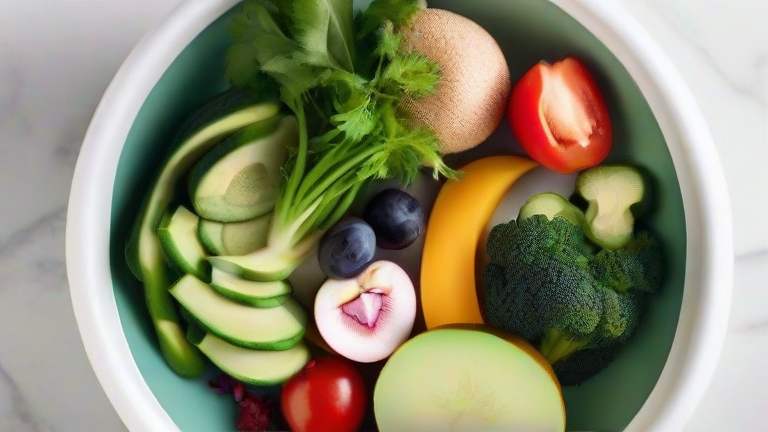
TL;DR: A whole food plant-based diet is right for you if you seek improved long-term health and environmental sustainability. However, you must be willing to commit to significant dietary changes and careful nutrient planning.
Transitioning to a Plant-Based Lifestyle
Adopting a whole food plant-based (WFPB) diet involves eating minimally processed plants while excluding animal products and refined oils. This approach emphasizes fruits, vegetables, whole grains, legumes, nuts, and seeds. To begin, start by replacing one meal per day with a plant-based option, such as a hearty lentil soup or a vibrant quinoa salad. Gradually increase the number of plant-based meals each week to allow your palate and digestion to adjust comfortably.
If you want to dig deeper, check out our guide on Context Poisoning: Why I Can’t Stop Noticing It.

Essential Steps for Success
First, declutter your pantry. Remove processed snacks, sugary cereals, and any animal-derived products. Replace them with wholesome staples like oats, brown rice, black beans, and fresh produce. Second, focus on variety. Different colors in your diet ensure a broad spectrum of nutrients. Aim to include at least three different colored vegetables in every main meal to maximize antioxidant intake and flavor diversity.
Third, pay attention to protein sources. While plants provide ample protein, you must combine various sources throughout the day. Incorporate tofu, tempeh, chickpeas, and edamame into your routine. Do not fear carbohydrates; complex carbs from whole grains provide sustained energy. Finally, monitor your vitamin B12 levels. Since B12 is not reliably found in plants, supplementation or fortified foods are non-negotiable for long-term health. Consult a healthcare provider to determine the correct dosage for your specific needs.
Practical Tips for Beginners
Meal prep is your best ally. Spend Sunday afternoon chopping vegetables and cooking grains in bulk. This saves time during busy weekdays and reduces the temptation to order takeout. Experiment with new spices and herbs to make plant-based dishes exciting. Nutritional yeast can add a cheesy flavor without dairy. Stay hydrated by drinking water throughout the day, as high-fiber diets require adequate fluid intake to prevent digestive discomfort. Be patient with yourself. Transitioning diets is a journey, not a race. Allow yourself to make mistakes and learn from them. If you slip up, simply return to your plan at the next meal without guilt.
FAQ
Q: Is a whole food plant-based diet expensive?
A: It can be cost-effective if you buy whole ingredients like beans and rice in bulk, though fresh produce and specialty items may increase costs initially.
Q: Will I get enough protein on this diet?
A: Yes, most plant-based individuals meet their protein needs through diverse sources like legumes, nuts, seeds, and whole grains.
Q: How long does it take to see health benefits?
A: Many people report improved energy and digestion within weeks, while long-term benefits like lower cholesterol may take several months to manifest.
Leave a Reply