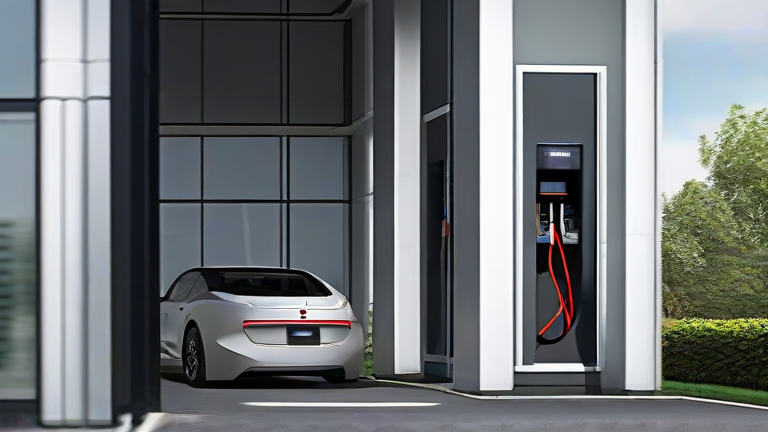
TL;DR: The global electric vehicle charging infrastructure is expanding at an unprecedented pace, driven by aggressive government incentives, plummeting battery costs, and surging consumer demand for zero-emission transportation. Industry leaders predict that by 2030, the number of public charging points will exceed 40 million worldwide, fundamentally reshaping urban planning and energy grid dynamics.
The Surge in Global Adoption
The transition to electric mobility has moved beyond a niche market experiment to a mainstream global necessity. According to recent market analysis, the global electric vehicle charging infrastructure market size was valued at approximately USD 19.5 billion in 2023 and is projected to reach USD 105.8 billion by 2030, growing at a CAGR of 29.2%. This exponential growth is not merely a reflection of vehicle sales but a critical response to range anxiety and the need for reliable, accessible charging networks. Governments in the European Union, China, and the United States have poured billions into subsidies and regulatory frameworks to accelerate this deployment, ensuring that infrastructure keeps pace with the rapidly increasing fleet of plug-in vehicles.
If you want to dig deeper, check out our guide on How to Create a Tutorial: Step-by-Step Guide for Beginners.
Technological Innovations Driving Growth

Central to this expansion is the rapid evolution of charging technology. Fast charging, particularly Direct Current (DC) fast chargers, is becoming the standard for long-distance travel corridors. These stations can deliver up to 350 kilowatts of power, allowing drivers to recharge their batteries to 80% capacity in under twenty minutes. Furthermore, the integration of smart charging systems allows for dynamic load management, balancing energy demand on the grid during peak hours. This bidirectional communication between the vehicle, the charger, and the grid operator ensures efficiency and stability, turning electric vehicles into potential mobile energy storage units for the broader energy ecosystem.
Expert Insights and Future Predictions
Industry experts emphasize that the challenge is no longer just about installing more chargers but about optimizing their placement and usability. “The future lies in seamless user experience,” notes Dr. Elena Ross, a senior analyst at GreenTech Insights. “Consumers need a unified payment system and real-time availability data, similar to the convenience offered by smartphone apps for ride-sharing.” Looking ahead, the trend towards vehicle-to-grid (V2G) technology is expected to gain traction, enabling EVs to feed energy back into the home or grid during outages. This shift will transform EVs from passive consumers to active participants in the energy market, creating new revenue streams for owners and enhancing grid resilience. As battery technologies improve and costs continue to fall, the barrier to entry for both manufacturers and consumers will lower, further accelerating adoption rates.
FAQ
Q: What is the projected growth rate of the EV charging market?
A: The market is projected to grow at a compound annual growth rate (CAGR) of approximately 29.2% from 2023 to 2030.
Q: How fast can modern DC fast chargers replenish an EV battery?
A> Modern fast chargers can typically charge an electric vehicle battery to 80% capacity in under twenty minutes.
Q: What is vehicle-to-grid (V2G) technology?
A: V2G technology allows electric vehicles to send energy back to the grid or home, turning them into mobile energy storage units.
Leave a Reply