Brain-to-Device Control: How Neural Interfaces Work
The boundary between human biology and digital technology is dissolving at an unprecedented pace. Neural interfaces, once the realm of science fiction, are rapidly emerging as a transformative force in healthcare, consumer electronics, and industrial automation. These systems create a direct communication pathway between the brain’s electrical signals and external devices, bypassing traditional input methods like keyboards or touchscreens. This technological leap is not merely about convenience; it represents a fundamental shift in how humans interact with the digital world, offering hope for restoring function to those with severe neurological conditions while simultaneously opening new frontiers for cognitive augmentation.
The Mechanics of Thought Transmission
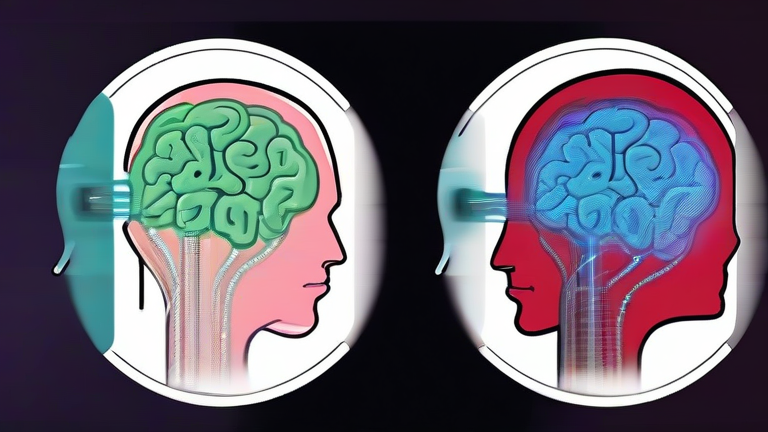
At the core of neural interface technology lies the ability to decode the brain’s complex electrochemical language. The human brain operates through billions of neurons firing electrical impulses. Neural interfaces capture these signals using two primary methods: invasive and non-invasive. Invasive systems, such as those developed by companies like Neuralink, involve surgically implanting micro-electrode arrays directly into the brain’s tissue. These implants detect individual neuron activity with high precision, allowing for detailed interpretation of complex motor intentions. Conversely, non-invasive systems, such as advanced EEG headsets, sit on the scalp and measure the aggregate electrical activity generated by large groups of neurons. While less precise, non-invasive methods offer a safer, more accessible entry point for early adopters and consumer applications.
If you want to dig deeper, check out our guide on Green Hydrogen Fuels Heavy Industry Decarbonization.

Market Dynamics and Expert Insights
The financial momentum behind neural interfaces is substantial. According to recent market analysis, the global brain-computer interface (BCI) market is projected to grow at a compound annual growth rate (CAGR) of over 20% through 2030. This surge is driven primarily by medical applications, particularly in treating paralysis, epilepsy, and neurodegenerative diseases. However, consumer interest is accelerating rapidly. Tech giants are investing billions into research aimed at enabling hands-free computing and immersive virtual reality experiences controlled purely by thought.
Dr. Elena Rostova, a leading neuroengineer at the Institute for Cognitive Technology, notes, “We are
Leave a Reply