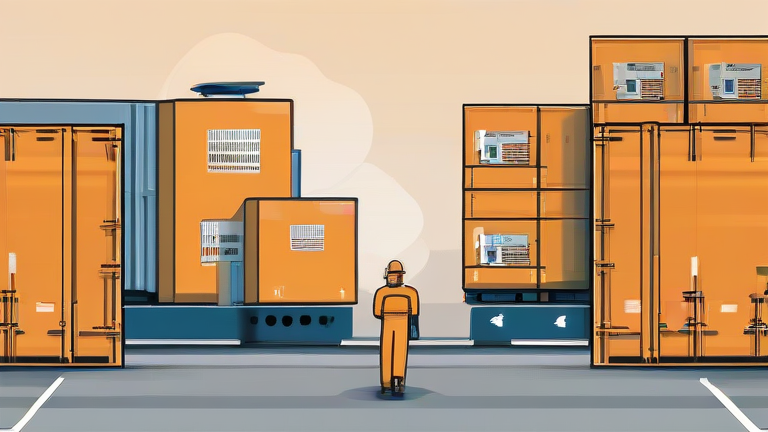
Boost Supply Chain Resilience with Digital Twins
In an era defined by volatility, uncertainty, complexity, and ambiguity, traditional supply chain models are no longer sufficient to guarantee operational continuity. The global logistics landscape has shifted dramatically following recent geopolitical disruptions and pandemic-induced bottlenecks. Companies are now turning to advanced technologies to mitigate risk and enhance agility. Among these innovations, digital twins have emerged as a pivotal tool for building resilient supply networks. By creating virtual replicas of physical supply chain ecosystems, organizations can simulate, predict, and optimize operations in real-time, transforming reactive management into proactive strategy.
If you want to dig deeper, check out our guide on DNA Testing for Personalized Nutrition: Boost Your Health.
Latest Technological Developments
The evolution of digital twins has moved beyond simple 3D modeling to incorporate complex layers of artificial intelligence (AI), machine learning (ML), and the Internet of Things (IoT). Modern digital twin platforms now integrate real-time data streams from sensors embedded in shipping containers, warehouse robots, and manufacturing equipment. This connectivity allows for a synchronized view of the entire supply chain, from raw material sourcing to last-mile delivery. Recent advancements include the use of predictive analytics to forecast demand spikes and identify potential bottlenecks before they occur. Furthermore, the integration of blockchain technology ensures data integrity, providing a transparent and immutable record of transactions and asset movements within the virtual environment.
Spec-wise, contemporary digital twin solutions require robust infrastructure to handle vast amounts of data. High-frequency data processing capabilities, often leveraging edge computing, are essential to reduce latency and ensure instant decision-making. Cloud-based architectures enable scalability, allowing businesses to expand their digital twin models as their supply chains grow. Additionally, advanced visualization tools powered by WebGL and augmented reality (AR) provide stakeholders with immersive interfaces to interact with the data, making it easier to identify anomalies and understand complex relationships between different supply chain nodes.
Industry Impact and Strategic Advantage
The impact of digital twins on the industry is profound. Manufacturing giants are using these models to optimize production schedules, reducing downtime and improving overall equipment effectiveness. In the retail sector, digital twins help manage inventory levels
Leave a Reply