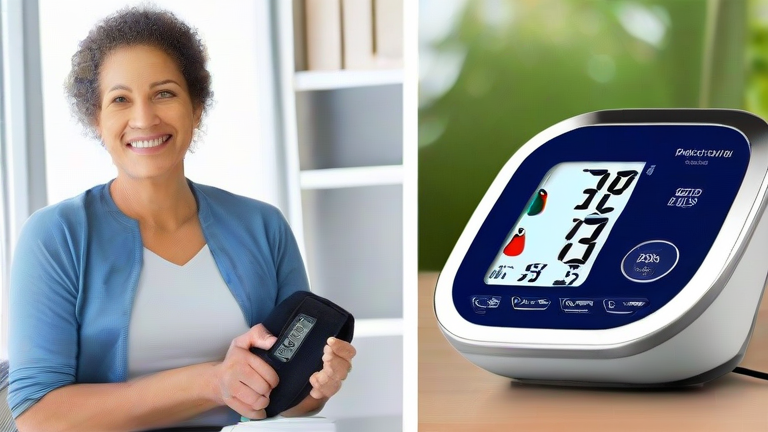
TL;DR: The most accurate home blood pressure monitors use upper-arm cuffs with clinically validated oscillometric technology, and the Omron Platinum, Withings BPM Connect, and Beurer BM67 rank top for consistency. For best results, always measure at the same time daily, sit with your back supported and feet flat, and avoid caffeine or exercise 30 minutes prior.
Why Accuracy Matters at Home
Home monitoring is a cornerstone of hypertension management, yet up to 30% of readings from poorly positioned or unvalidated devices can be off by 5–10 mmHg. The American Heart Association (AHA) recommends an upper-arm cuff that fits your arm circumference (measure mid-bicep), not a wrist or finger model unless medically necessary. Look for devices validated by the AHA, European Society of Hypertension, or the British Hypertension Society—these undergo rigorous clinical testing against mercury sphygmomanometers.
If you want to dig deeper, check out our guide on 10 Best Mechanical Keyboards for Coders: Tested & Ranked.
Top 10 Devices for Reliable Readings
1. Omron Platinum (BP5450) – Clinically validated, stores 200 readings for two users, and uses a wide-range cuff (9–17 inches). Its averaging mode takes three consecutive readings and displays the mean, reducing white-coat spikes.
2. Withings BPM Connect – Wi-Fi/Bluetooth syncs to an app, but critically, its cuff is pre-formed and self-positioning, minimizing user error. Validated for irregular heartbeat detection.
3. Beurer BM67 – Features a comfortable, pre-formed cuff and a traffic-light indicator for blood pressure zones. Its “professional” mode averages the last three readings automatically.
4. Omron Evolv – All-in-one design with no tubes; the cuff inflates around the arm and the screen sits on the cuff. Great for travel, but ensure the cuff fits—it’s not adjustable in size.
5. Microlife WatchBP Home – Specifically validated for atrial fibrillation detection, a major risk factor for stroke. Its “MAM” mode takes three readings and computes a weighted average.
6. A&D Medical UA-651BLE – Budget-friendly but accurate, with irregular heartbeat detection and Bluetooth app storage. Its cuff is extra-wide for better arterial compression.
7. Omron 10 Series (BP7450) – Stores 200 readings per user (two users) and includes a “morning hypertension” indicator, which flags high pre-breakfast numbers—a critical cardiovascular risk marker.
8. LifeSource UA-789AC – Unique for its extra-large cuff (up to 23 inches), essential for larger arms. It has a backlit screen and one-touch operation, but no app—just memory.
9. QardioArm – Slim, portable, and app-driven, but its key feature is the “smart” cuff that inflates to the correct pressure automatically, reducing over-inflation errors. Validated for clinical accuracy.
10. Greater Goods BP1200 – An affordable, validated option with a large digital display and a standard cuff (8.7–15.7 inches). It lacks advanced features but is reliable for basic daily tracking.
Lifestyle Tips for Consistent Readings
Beyond the device, your technique matters. Empty your bladder first, rest for 5 minutes in a quiet chair, and place the cuff on bare skin (not over clothing) at heart level. Keep your arm relaxed on a flat surface—don’t hold it up. Measure twice, 1 minute apart, and record both. Avoid smoking, caffeine, or exercise for 30 minutes before. If your numbers vary wildly, check the cuff size: a too-small cuff inflates readings by 10–15 mmHg. Also, calibrate your device yearly against a clinic sphygmomanometer, as sensors drift over time.
FAQ
Q: Should
Leave a Reply