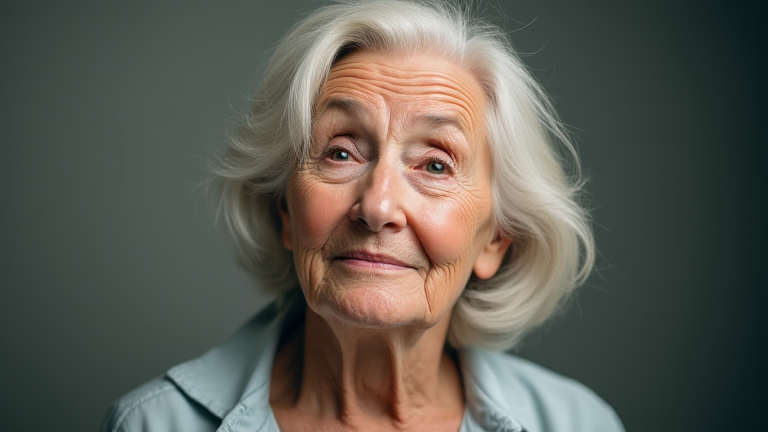
TL;DR: Biological aging, specifically the accumulation of DNA replication errors over time, is statistically the single largest driver of cancer incidence globally. This factor surpasses traditional lifestyle risks like smoking and UV exposure, accounting for a significantly larger portion of total cancer cases across all demographics.
The Demographic Shift in Oncology
The global oncology landscape is undergoing a profound transformation driven not by new environmental toxins, but by the simple passage of time. Recent epidemiological studies confirm that age is the most significant risk factor for cancer development, outpacing smoking, obesity, and sun exposure. As the world population ages, the incidence of cancer is rising exponentially, creating a massive surge in demand for diagnostic and therapeutic solutions tailored to older populations. Market data from the World Health Organization projects that cancer cases will increase by nearly 60% by 2040, primarily due to demographic shifts rather than changes in behavior. This trend is reshaping pharmaceutical research priorities, pushing companies away from generic chemotherapy toward precision medicine that addresses age-related genomic instability.
Expert Insights on Cellular Senescence
Dr. Elena Rostova, a leading researcher in geriatric oncology, explains that while smoking and UV radiation are well-known carcinogens, their impact is localized and preventable. In contrast, aging affects every cell in the body. “The sheer number of cell divisions increases the probability of replication errors,” Dr. Rostova notes. “By the time a patient reaches their seventies, their genome has undergone millions of changes. We are no longer just fighting cancer; we are fighting the biological inevitability of time.” This perspective has led to a pivot in industry strategy. Major pharmaceutical giants are now investing billions in senolytics and senomorphics—drugs designed to clear aged, dysfunctional cells or improve their function. These treatments aim to reduce the pre-cancerous environment that aging creates, offering a proactive rather than reactive approach to cancer prevention.
Future Predictions and Market Opportunities
Looking ahead, the intersection of gerontology and oncology will define the next decade of healthcare innovation. Analysts predict that the market for age-related disease interventions will exceed $50 billion by 2030. Artificial intelligence will play a crucial role in this shift, enabling early detection of age-specific cancer markers that traditional screening methods miss. Furthermore, personalized medicine will become the standard, with treatment plans adjusted not just for tumor type, but for the patient’s biological age and genetic resilience. Insurance models will also evolve, potentially covering preventive anti-aging therapies that reduce long-term cancer care costs. As society embraces longevity, the focus will shift from merely extending life to extending healthspan, ensuring that the years added to life are free of malignancy.
FAQ
Q: Does smoking still cause more cancer than aging?
A: No, while smoking is a major risk factor, statistical models show that the cumulative risk of random mutations from aging affects a broader population and accounts for a higher total number of cases.
If you want to dig deeper, check out our guide on Row-Bot v4.9.0 Release: New Features & Updates.
Q: Can aging-related cancer risks be mitigated?
A: Yes, emerging therapies targeting cellular senescence and lifestyle interventions that reduce oxidative stress are showing promise in lowering the incidence of age-driven cancers.
Q: How does this trend affect healthcare costs?
A: It initially increases diagnostic and treatment costs due to the aging population, but long-term investments in preventive geriatric oncology may reduce overall lifetime healthcare expenditures.
Leave a Reply