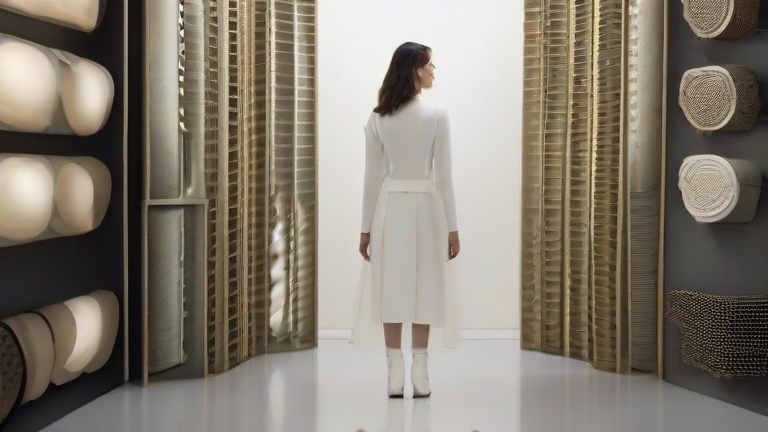
Sustainable Fashion Tech: Bio-Fabricated Materials Revolution
TL;DR: The sustainable fashion industry is undergoing a radical transformation driven by bio-fabricated materials that offer scalable, low-impact alternatives to traditional textiles. This shift is projected to create a $15 billion market by 2030, fundamentally altering supply chains and consumer expectations for ethical production.
The fashion industry has long been criticized for its environmental footprint, particularly regarding water usage, chemical pollution, and waste. However, a new wave of innovation is emerging from the intersection of biology, chemistry, and engineering. Bio-fabricated materials, such as mycelium-based leather, algae-derived dyes, and bacterial cellulose sheets, are moving from laboratory curiosities to viable commercial products. These materials are not just alternatives; they represent a paradigm shift in how textiles are conceived, produced, and disposed of. Unlike synthetic polymers derived from petroleum, bio-materials are often biodegradable, compostable, and produced with significantly lower carbon footprints.
If you want to dig deeper, check out our guide on Do You Really Need 1g of Protein Per Pound of Body Weight?.
Market Dynamics and Growth
The economic landscape surrounding bio-fabricated textiles is expanding rapidly. According to recent market analyses, the global sustainable fashion market is expected to grow at a compound annual growth rate (CAGR) of 9.2% from 2024 to 2030. Within this broader sector, the sub-market for bio-based materials is particularly vibrant, with venture capital investment increasing by 40% year-over-year in the past two years. Major luxury houses are leading this charge, with brands like Hermès and LVMH investing heavily in startups that develop mycelium leather and plant-based fabrics. This top-down adoption is crucial for legitimizing the technology and driving down costs through economies of scale. The integration of these materials into mainstream collections signals that sustainability is no longer a niche concern but a core competitive advantage.
Expert Insights on Production Challenges
Despite the optimism, industry experts highlight significant hurdles. Dr. Elena Rossi, a materials scientist at the Institute for Bio-Design, notes that “scalability remains the primary bottleneck. While we can produce small batches of high-quality mycelium leather in labs, transitioning to industrial-scale fermentation requires precise control over environmental variables such as temperature, humidity, and nutrient feed. Additionally, the supply chain for biological inputs, like agricultural waste used for substrate, must be optimized to ensure consistency and cost-effectiveness.” Furthermore, standardization is a major challenge. There are currently no universal testing protocols for bio-textiles, making it difficult for brands to guarantee durability and performance levels comparable to traditional materials. Collaborative efforts between tech companies, fashion houses, and regulatory bodies are now forming to establish these benchmarks.
Future Predictions and Outlook
Looking ahead, the next five years will likely see the convergence of bio-fabrication and digital design. 3D printing technologies will enable the creation of complex, zero-waste garments using bio-materials, reducing the need for cutting and sewing. By 2027, it is predicted that 15% of mid-tier fashion brands will incorporate at least one line of bio-fabricated products. Moreover, closed-loop systems will become more prevalent, where post-consumer textile waste is broken down at the molecular level and repurposed into new bio-materials. This circular model addresses the end-of-life problem, ensuring that garments do not end up in landfills. As consumer awareness grows, the demand for transparency will drive brands to adopt blockchain-based tracking systems to verify the bio-based origin and sustainability claims of their materials.
The revolution in bio-fabricated materials is not merely a trend but a necessary evolution for the fashion industry. By leveraging the power of biology, companies can create beautiful, durable, and sustainable products that align with the planet’s needs. The future of fashion is not just about what we wear, but how it is made and what happens after we discard it. As technology advances and costs decrease, bio-fabricated materials will become the standard, redefining luxury and everyday wear alike.
FAQ
Q: What are bio-fabricated materials?
A:
Leave a Reply