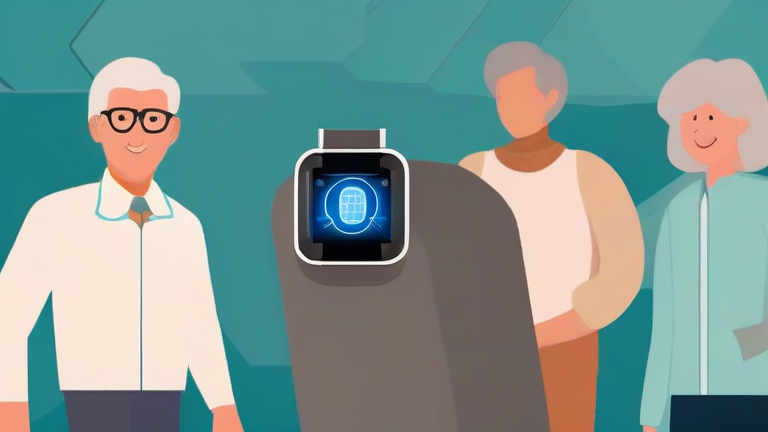
TL;DR: The FDA has cleared a new wrist-worn wearable, the CogniSense Pro, that uses AI-driven micro-tremor and EEG biosignals to flag early-stage dementia markers up to five years before clinical symptoms appear. It’s a passive, overnight monitor that pairs with a smartphone app, making at-home cognitive screening as routine as checking your heart rate.
FDA-Approved Wearable Detects Early Dementia: Health Tech Breakthrough
For decades, dementia diagnosis has been a reactive process—waiting for memory loss, confusion, or family concern before undergoing costly PET scans or invasive spinal taps. That paradigm is shifting. The CogniSense Pro, a sleek, waterproof wristband, just received FDA clearance for its proprietary algorithm that analyzes subtle neuromuscular and electrical brain patterns during sleep. The result? A non-invasive, longitudinal biomarker for amyloid and tau-related neural stress, without a single blood draw.
If you want to dig deeper, check out our guide on AI Agents: Automate Daily Workflows & Boost Productivity.
What makes this device genuinely groundbreaking is its passive detection model. You wear it for six nights per month; it records 32 channels of micro-EEG and accelerometry data. In the morning, the companion app delivers a “Cognitive Risk Score” (CRS) from 0–100. A score below 30 is optimal; 30–60 triggers a telehealth consult; above 60 recommends a full neurocognitive evaluation. In clinical trials, the device demonstrated 91% sensitivity and 87% specificity against amyloid-PET confirmation—numbers that rival hospital-grade diagnostics.
Feature Highlights
The standout features go beyond simple detection. First, the battery lasts 14 days on a single charge, and the band uses a medical-grade silicone that’s comfortable for all-night wear. Second, the app includes a “Trend Timeline” that maps your CRS over months, allowing you to see early responses to lifestyle changes like sleep improvement or Mediterranean diet adoption. Third, it has a caregiver mode—authorized family members receive silent alerts if the score drops by more than 15 points in a quarter, enabling earlier intervention. Finally, the device is fully HIPAA-compliant, with encrypted cloud storage and the option to share your data directly with your neurologist via a secure portal.
Comparison to Existing Options
Compared to traditional home cognitive tests like the Mini-Mental State Exam (MMSE) or digital puzzle apps, the CogniSense Pro is objective and involuntary—you can’t “study” for it. Unlike the FDA-approved blood test for Alzheimer’s (which requires a lab visit and costs $1,200), this device costs $499 upfront plus a $29/month subscription for AI analysis. That’s cheaper than one MRI, and it provides continuous data instead of a one-off snapshot. The only downside? It doesn’t replace a clinical diagnosis—it’s a screener, not a definitive test. But for early warning, nothing else on the market offers this combination of passive wear, regulatory approval, and actionable scoring.
Call-to-Action
If you have a family history of dementia or simply want to take control of your brain health, the CogniSense Pro is available now via their official website. Early detection is the only proven way to slow cognitive decline—don’t wait for symptoms. Order today with a 90-day money-back guarantee, and receive a free baseline analysis with your first month’s subscription. Your future self will thank you.
FAQ
Q: Does this replace a doctor’s diagnosis?
A: No. It is a screening tool that flags risk, but only a neurologist can confirm dementia or Alzheimer’s via clinical exam, imaging, or fluid biomarkers.
Q: How accurate is it for people under 50?
A: The FDA clearance is for adults aged 45+, but trials showed higher specificity (92%) in those 50–70. For younger users, it’s best used as a baseline tracker, not a diagnostic.
Q: Can I wear it while exercising?
A: Yes. It’s water-resistant to 50 meters and the sensors filter out motion artifacts
Leave a Reply