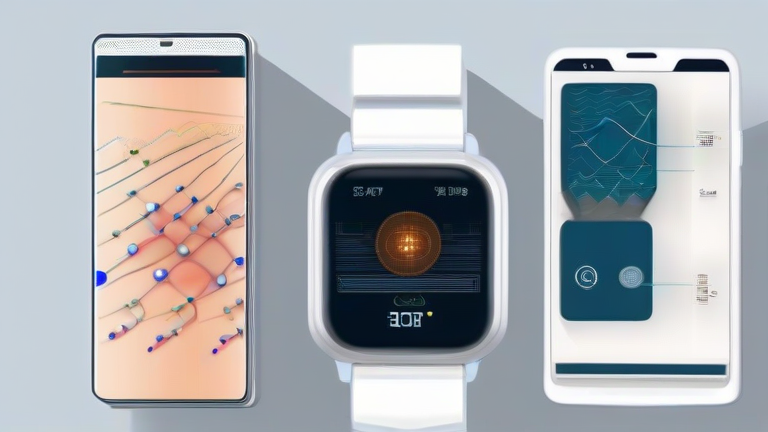
Real-Time Stress Tracking: How Wearable Biosensors Monitor Cortisol
TL;DR: Wearable biosensors monitor cortisol by analyzing sweat and interstitial fluid through non-invasive skin patches. This technology provides continuous, real-time data on stress levels without the need for invasive blood draws.
The era of guessing your stress levels is ending. Modern wearable biosensors are revolutionizing health monitoring by measuring cortisol, the primary “stress hormone,” directly from sweat. Unlike traditional methods that require daily saliva samples or annual blood tests, these devices offer a seamless, continuous stream of data. This shift allows users to understand their physiological responses to daily life with unprecedented accuracy and immediacy, bridging the gap between clinical data and daily wellness routines.
If you want to dig deeper, check out our guide on 10 Simple Lifestyle Hacks for a Healthier, Happier You.
Feature Highlights
The latest generation of cortisol tracking wearables boasts several key features that set them apart from standard fitness trackers. First, they utilize microfluidic channels to collect sweat samples automatically. These sensors employ ion-selective electrodes to detect cortisol molecules with high specificity, filtering out interference from other sweat components like lactic acid or electrolytes. Second, real-time processing algorithms analyze the data on the fly, sending alerts to your smartphone app when stress levels exceed personalized thresholds. Finally, these devices are designed for comfort and durability, featuring water-resistant materials that allow for up to seven days of continuous wear without removal, ensuring a complete picture of your stress patterns over a full week.
Comparisons
When compared to traditional methods, wearable biosensors offer distinct advantages. Blood tests provide a snapshot in time, often reflecting acute stress rather than chronic patterns, and involve discomfort and cost. Saliva collection is less invasive but requires user compliance and manual logging, which can lead to inconsistent data. In contrast, wearables provide a longitudinal view of stress trends. However, they are not without limitations. Environmental factors like temperature and hydration levels can influence sweat rates, potentially affecting data accuracy. Furthermore, while they are excellent for trend analysis, they are not yet a replacement for clinical diagnostics. Users should view this data as complementary to professional medical advice rather than a definitive diagnosis for cortisol-related disorders.
Integrating this technology into your daily life can lead to better stress management strategies. By identifying specific triggers and times of day when cortisol spikes, you can adjust your schedule, improve sleep hygiene, or incorporate mindfulness practices more effectively. The data empowers you to take proactive steps toward mental and physical well-being, turning abstract feelings of stress into actionable metrics.
Ready to take control of your stress levels? Explore the latest wearable biosensors today and start your journey toward a balanced, healthier life. Download the companion app and begin tracking your baseline stress levels now.
FAQ
Q: How accurate are wearable cortisol sensors compared to blood tests?
A: While highly accurate for trend analysis, they are less precise than blood tests for absolute values. They are best used for monitoring relative changes over time.
Q: Do these devices require a subscription to function?
A: Most devices require a one-time hardware purchase, but advanced analytics and long-term data storage often require a monthly software subscription.
Q: Can I shower while wearing the biosensor?
A: Yes, most modern models are IP68 water-resistant, allowing for normal daily activities including showering and swimming without damaging the sensor.
Leave a Reply