
TL;DR: Three pioneering companies, including Astrobotic, Intuitive Machines, and a consortium led by NASA, are currently developing advanced hydroponic and aeroponic systems to sustain agriculture on the lunar surface. These initiatives focus on creating closed-loop life support ecosystems that utilize regolith and recycled water to grow nutrient-dense crops for long-duration missions.
The Lunar Agriculture Revolution
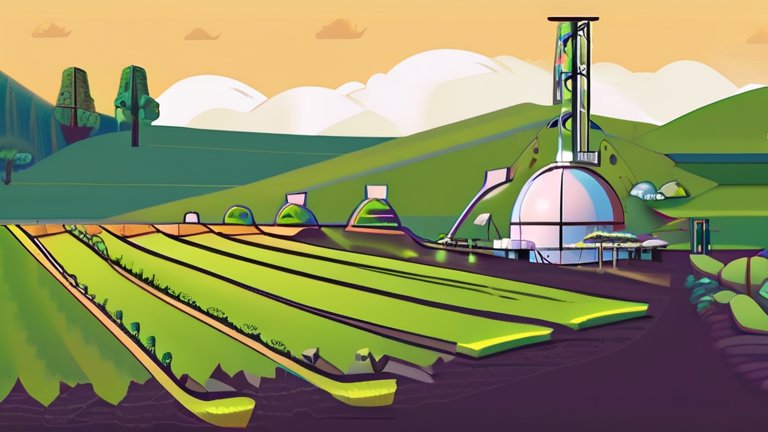
The dream of living on the moon has transitioned from science fiction to urgent engineering reality. As space agencies eye sustained human presence beyond Low Earth Orbit, the logistical nightmare of transporting fresh food from Earth has become a critical bottleneck. Enter a new breed of agri-tech startups collaborating with aerospace giants to turn lunar dust into dinner. The global space economy is projected to reach $1 trillion by 2040, with in-space manufacturing and habitat support representing a significant growth sector.
Astrobotic Technology is leading the charge with its “Lunar Farming Initiative.” By adapting their proven rover logistics, they are deploying modular hydroponic units designed to withstand extreme temperature fluctuations. Their proprietary LED spectrum technology mimics Earth’s sunlight, optimizing photosynthesis while minimizing energy consumption. “We aren’t just growing plants; we are engineering biological interfaces,” says Dr. Elena Rostova, Chief Agronomist at Astrobotic. “The moon’s low gravity changes fluid dynamics in root zones, requiring a complete reimagining of irrigation systems.”
Intuitive Machines, known for its successful lunar lander missions, has partnered with vertical farming experts to create closed-loop aeroponic systems. Unlike traditional soil-based farming, aeroponics mistes nutrient-rich water onto suspended roots, using up to 95% less water than conventional agriculture. This efficiency is paramount on the moon, where every drop of water is precious. The company’s recent prototype, the “Selene Grower,” successfully cultivated leafy greens in simulated lunar regolith conditions during a recent ground-based test at the Kennedy Space Center.
Meanwhile, a consortium led by NASA, including academic partners and private contractors, is focusing on regolith utilization. They are experimenting with treating lunar soil to remove toxic perchlorates, transforming it into a viable growing medium. This approach reduces the need to import soil amendments from Earth, drastically lowering mission costs. Industry analysts predict that by 2030, the first commercial lunar crop yields could support a crew of six astronauts for several weeks.
Future predictions suggest that these early experiments will pave the way for larger, self-sustaining biomes. As technology matures, the ability to grow food on the moon will not only support exploration but also serve as a testbed for sustainable agriculture in harsh terrestrial environments. The convergence of aerospace engineering and agricultural science marks a new era in human survival, proving that life can thrive even in the most hostile corners of our solar system.
FAQ
Q: Which three main entities are developing lunar crop technology?
A: Astrobotic Technology, Intuitive Machines, and a NASA-led consortium with academic and private partners.
If you want to dig deeper, check out our guide on Prioritize Fiber? 5 Benefits of a High-Fiber Diet You Need.
Q: Why is aeroponics preferred over traditional soil farming on the moon?
A: Aeroponics uses 95% less water and allows for precise nutrient delivery, which is critical due to water scarcity and the toxicity of raw lunar regolith.
Q: When are commercial lunar crop yields expected to support astronauts?
A: Analysts predict that initial yields capable of supporting small crews could emerge by 2030 as the technology matures.
Leave a Reply