Blog

  • Top 10 Tech Trends Shaping 2026: What You Need to Know

    Top 10 Tech Trends Shaping 2026: What You Need to Know

    TL;DR: 2026 is defined by the maturation of generative AI into practical enterprise tools and the widespread adoption of 6G research frameworks. These shifts are driving unprecedented efficiency gains while raising critical questions about data privacy and digital infrastructure scalability.

    The AI Revolution Goes Mainstream

    Artificial Intelligence has moved beyond experimental phases into robust, industry-specific applications. Large Language Models (LLMs) are now integrated into customer service, coding assistants, and creative workflows. In 2026, the focus shifts from model size to model efficiency. Edge AI allows devices to process data locally, reducing latency and enhancing privacy. This change is significant for healthcare and autonomous vehicles, where real-time decision-making is critical. Companies are investing heavily in specialized chips designed for AI inference, ensuring faster performance with lower energy consumption.

    If you want to dig deeper, check out our guide on Digital ID Verification Replaces Physical IDs.

    The impact on the labor market is substantial. Routine cognitive tasks are increasingly automated, freeing human workers for complex problem-solving and strategic planning. However, this transition requires significant upskilling. Organizations are prioritizing AI literacy in their hiring processes, recognizing that understanding how to collaborate with AI tools is now a fundamental skill. Ethical AI governance is also emerging as a key industry standard, with new regulations aiming to prevent bias and ensure transparency in automated decisions.

    Sustainability and Green Tech

    Environmental concerns are driving innovation in hardware design. The push for carbon-neutral data centers is accelerating the adoption of renewable energy sources. Tech giants are committing to 24/7 carbon-free energy operations by the end of the decade. This shift is not just about optics; it is about cost efficiency and regulatory compliance. New cooling technologies, such as liquid immersion cooling, are becoming standard in high-performance computing environments. These innovations reduce water usage and energy demands, making data centers more sustainable. Consumer electronics are also seeing a push toward modularity, allowing users to repair and upgrade devices rather than replacing them entirely.

    The Next Generation of Connectivity

    While 5G is still expanding, research into 6G is gaining momentum. 6G promises speeds up to 100 times faster than 5G, enabling holographic communications and tactile internet experiences. Although commercial deployment is likely a decade away, early trials are already showcasing the potential for ultra-reliable low-latency communications. This technology will be crucial for remote surgery, autonomous drone swarms, and smart cities. In the meantime, satellite internet services are filling connectivity gaps in rural and remote areas, democratizing access to high-speed internet globally.

    Cybersecurity in an AI-Driven World

    As AI tools become more sophisticated, so do cyber threats. AI-driven attacks can detect vulnerabilities faster than human defenders can patch them. This arms race has led to the rise of automated defense systems. Blockchain technology is also being explored for secure identity management and supply chain transparency. The integration of zero-trust architectures is becoming mandatory for enterprises, ensuring that every access request is fully authenticated, authorized, and encrypted.

    FAQ

    Q: How will AI affect job markets in 2026?
    A: AI will automate routine cognitive tasks, shifting human roles toward strategic planning and complex problem-solving while increasing demand for AI literacy skills.

    Q: What are the main sustainability goals for tech companies this year?
    A: Companies are targeting carbon-neutral data centers through renewable energy adoption and innovative cooling technologies like liquid immersion.

    Q: When will 6G technology be commercially available?
    A: Commercial deployment is not expected until the mid-2030s, but early research and trials are currently underway to establish foundational standards.


    Related Articles

  • Metaverse Education in Schools: The New Standard

    Metaverse Education in Schools: The New Standard

    TL;DR: Metaverse education is rapidly becoming the new standard in schools worldwide, transforming passive learning into immersive, interactive experiences. This shift leverages advanced VR hardware and robust software ecosystems to create engaging virtual classrooms that significantly enhance student retention and engagement.

    Immersive Learning Redefined

    The integration of the metaverse into educational institutions marks a pivotal shift from traditional pedagogical methods. Schools are no longer limited by geographical boundaries or physical resources. Instead, students can now explore ancient Rome, dissect virtual frogs, or conduct complex chemistry experiments without any safety risks. This technological evolution is driven by rapid advancements in virtual reality (VR) and augmented reality (AR) technologies, making these tools more accessible and affordable for educational districts.

    Technical Specifications and Hardware

    Modern educational VR headsets, such as the Meta Quest 3 and Apple Vision Pro, offer high-resolution displays with wide field-of-view capabilities. These devices feature eye-tracking and hand-tracking sensors, allowing for intuitive interaction within virtual environments. The processing power has increased dramatically, enabling real-time rendering of complex 3D models without latency. Furthermore, haptic feedback gloves are beginning to appear in pilot programs, providing tactile sensations that mimic real-world interactions. This sensory richness is crucial for effective learning, as it engages multiple senses simultaneously, reinforcing memory retention.

    Industry Impact and Adoption

    The impact on the education industry is profound. EdTech companies are racing to develop specialized curriculum content tailored for immersive platforms. Traditional textbook publishers are pivoting to create interactive 3D models and simulations. This transition is creating new job roles, such as virtual classroom architects and digital pedagogy specialists. Early adopters report a significant increase in student engagement and improved understanding of abstract concepts. However, challenges remain, including the digital divide and concerns regarding screen time and data privacy. Schools must invest in robust infrastructure and comprehensive teacher training to ensure successful implementation. Despite these hurdles, the potential for personalized learning pathways within the metaverse is undeniable.

    FAQ

    Q: Is metaverse education expensive?
    A: Costs vary, but bulk purchasing and cloud-based solutions are making it increasingly affordable for schools.

    If you want to dig deeper, check out our guide on Mental Health Apps: Real-Time Biofeedback & Wellness.

    Q: How does it help special needs students?
    A: It offers customizable environments that reduce sensory overload and provide tailored interactive learning tools.

    Q: Will teachers be replaced by AI?
    A: No, AI assists teachers by handling logistics, but human guidance remains essential for emotional and social development.

    Related Articles

  • Top 10 Tech Trends to Watch in 2026: A Complete Guide

    Top 10 Tech Trends to Watch in 2026: A Complete Guide

    TL;DR: The top ten tech trends in 2026 are Generative AI, Edge Computing, Quantum Computing, 6G Research, Sustainable Tech, Digital Twins, Cybersecurity Mesh, Augmented Reality, Biotech Integration, and Autonomous Systems.

    Generative AI and Edge Computing

    Generative AI has moved beyond hype to become a foundational enterprise tool. In 2026, we are seeing a shift from experimental models to production-ready applications that integrate seamlessly into existing workflows. This is not just about chatbots; it is about code generation, complex data analysis, and personalized content creation at scale. Simultaneously, Edge Computing is gaining traction as organizations seek to reduce latency. By processing data closer to the source, businesses can achieve real-time decision-making capabilities that cloud-only architectures cannot match. This synergy between AI and edge infrastructure is transforming industries from manufacturing to healthcare.

    If you want to dig deeper, check out our guide on 10 Proven Business Strategies to Skyrocket Your Growth in 20.

    Quantum and Sustainable Technologies

    Quantum computing is inching closer to commercial viability, with major players focusing on error correction and qubit stability. While still in early stages, its potential to revolutionize cryptography and drug discovery cannot be overstated. Alongside this, sustainable technology is no longer optional. Companies are under pressure to meet ESG goals, leading to innovations in green data centers and energy-efficient hardware. Digital twins are also becoming mainstream, allowing companies to simulate entire supply chains before implementation. This reduces waste and improves efficiency significantly. Furthermore, the research into 6G networks is accelerating, promising speeds ten times faster than 5G, which will enable new forms of connectivity for IoT devices.

    Cybersecurity and Immersive Experiences

    Cybersecurity is evolving into a “Mesh” architecture, decentralizing security controls to protect distributed assets more effectively. As remote work remains standard, this approach is crucial for maintaining robust defense mechanisms. Augmented Reality (AR) is also finding new life beyond gaming, with applications in remote assistance and industrial training becoming more prevalent. Biotech integration is another fascinating trend, where technology meets biology to create personalized medicine solutions. Finally, autonomous systems are expanding beyond self-driving cars to include drone deliveries and automated warehouse operations. These trends collectively define the technological landscape of 2026, emphasizing efficiency, security, and innovation.

    FAQ

    Q: What is the biggest impact of Generative AI in 2026?
    A: It is transforming enterprise workflows by automating complex tasks like coding and data analysis, moving from experimental phases to production-ready applications.

    Q: How does Edge Computing differ from traditional cloud computing?
    A: Edge Computing processes data closer to the source, significantly reducing latency and enabling real-time decision-making compared to traditional cloud architectures.

    Q: Why is Quantum Computing considered revolutionary?
    A: It promises to solve complex problems in cryptography and drug discovery that are currently intractable for classical computers, marking a significant leap in computational power.

    Related Articles

  • Wearable Health Monitors Predict Chronic Disease Onset

    Wearable Health Monitors Predict Chronic Disease Onset

    TL;DR: Yes, wearable health monitors can predict the onset of chronic diseases by detecting subtle physiological changes long before symptoms appear. Continuous tracking of heart rate variability, sleep patterns, and activity levels provides early warning signs for conditions like diabetes, hypertension, and cardiovascular disease.

    The Rise of Proactive Health Monitoring

    In recent years, the landscape of preventive medicine has shifted dramatically from reactive treatment to proactive monitoring. Wearable technology, once limited to basic step counting, has evolved into sophisticated medical-grade devices capable of analyzing complex biomarkers. These devices continuously collect data on your heart rate, oxygen saturation, sleep quality, and physical activity. This wealth of information allows algorithms to identify patterns that may indicate the early stages of chronic conditions. By recognizing anomalies in your body’s baseline metrics, these tools empower users to take action before a minor issue becomes a major health crisis.

    If you want to dig deeper, check out our guide on Sony WH-1000XM5 vs Bose QuietComfort Ultra Headphones.

    Science-Backed Lifestyle Tips for Early Detection

    To maximize the benefits of your wearable device, it is essential to integrate its data into a holistic wellness strategy. First, prioritize consistent sleep hygiene. Poor sleep quality is a significant predictor of metabolic disorders and cardiovascular issues. Ensure you are getting seven to nine hours of restful sleep each night, and use your device’s sleep tracking features to monitor consistency. Second, maintain a balanced diet rich in whole foods. Wearables can help you correlate dietary choices with energy levels and heart rate responses, helping you identify foods that may cause inflammation or energy crashes. Third, engage in regular moderate exercise. Aim for at least 150 minutes of aerobic activity per week, using your device to track progress and ensure you are staying within safe heart rate zones.

    Finally, manage stress effectively. High stress levels can elevate cortisol, impacting various bodily systems. Use breathing exercises or mindfulness apps guided by your device’s stress detection features. Remember, data is only useful if acted upon. Share your insights with healthcare providers to create a personalized prevention plan. By combining technology with informed lifestyle choices, you can significantly reduce your risk of developing chronic diseases and enhance your overall quality of life.

    FAQ

    Q: Can wearables diagnose diseases?
    A: No, they are not diagnostic tools but can indicate potential risks and should be discussed with a doctor.

    Q: How accurate are these devices?
    A: Accuracy varies by brand and model, but medical-grade devices are increasingly reliable for tracking key metrics.

    Q: Do I need a subscription?
    A: Basic tracking is often free, but advanced analytics and personalized insights may require a paid subscription.

    Related Articles

  • Best Dyson Airwrap Hair Styler for Frizz Control in 2026

    Best Dyson Airwrap Hair Styler for Frizz Control in 2026

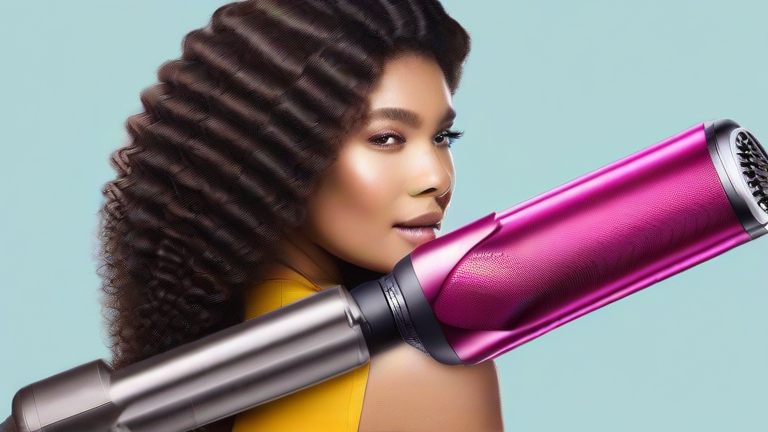
    TL;DR: The Dyson Airwrap Multi-Styler Complete Long is the definitive best choice for frizz control in 2026, utilizing Coanda airflow to smooth strands without extreme heat damage. Its versatile barrel options and intelligent heat measurement ensure a salon-quality finish that tames even the most unruly textures reliably.

    Frizz is the nemesis of every hair enthusiast, especially in humid climates or during winter months when static electricity turns a good hair day into a chaotic nightmare. For years, users have struggled with heavy flat irons that bake moisture out of their hair, leaving it dry and prone to flyaways. Enter the Dyson Airwrap, a revolutionary styling tool that has redefined expectations for home styling. In 2026, the quest for the ultimate frizz-fighting device leads directly to the Dyson Airwrap Multi-Styler Complete Long. This device does not rely on scorching temperatures; instead, it uses the Coanda effect to wrap hair around barrels automatically, styling with air rather than intense heat. This fundamental difference is why it outperforms traditional curling wands and straighteners, preserving the hair’s natural moisture barrier while delivering sleek results.

    If you want to dig deeper, check out our guide on Carbon Capture Becomes Profitable at Scale.

    Feature Highlights and Performance

    The standout feature of this 2026 model is its intelligent heat control. The Airwrap measures air temperature over 40 times per second, preventing extreme heat damage that leads to breakage and frizz. Unlike older models, the updated attachments are designed to grip hair more effectively, reducing the need for excessive tension that can cause stress on the follicle. The smoothing brushes, both round and flat, are particularly effective at taming flyaways and creating a glossy, polished look. Furthermore, the cool shot button sets your style instantly, locking in the smoothness so you can step out with confidence regardless of the weather conditions outside.

    Comparison with Competitors

    When compared to rival multi-stylers from brands like Shark or Revlon, the Dyson Airwrap stands out for its build quality and precision engineering. While competitors often require manual rotation and higher heat settings, the Airwrap’s airflow technology does much of the work for you. This results in a more consistent finish and significantly less user error. Although the price point is higher, the durability and versatility of the Airwrap make it a worthwhile investment for those serious about hair health and styling efficiency.

    If you are ready to say goodbye to frizz forever, now is the time to invest in the technology that promises lasting smoothness. Visit the official Dyson website or authorized retailers today to secure your unit and transform your daily routine. Don’t let humidity dictate your style; take control with the best tool on the market.

    FAQ

    Q: Is the Dyson Airwrap safe for daily use?
    A: Yes, the intelligent heat control prevents damage, making it safe for regular styling without frying your hair.

    Q: Does it work on wet hair?
    A: Yes, the Airwrap is designed to style damp hair, drying and shaping your hair simultaneously for efficient results.

    Q: Which attachment is best for thick, frizzy hair?
    A: The 30mm and 40mm soft and firm brushes are highly recommended for smoothing thick hair and reducing frizz effectively.

    Related Articles

  • Quantum Computing: From Lab to Commercial Enterprise Applications

    TL;DR: Quantum computing is rapidly transitioning from theoretical physics experiments to tangible commercial solutions that optimize logistics, enhance financial modeling, and accelerate drug discovery. This technological leap is not just about raw processing power but about redefining how enterprises solve complex problems that were previously considered unsolvable.

    The Digital Horizon Awaits

    Imagine standing on the edge of a vast, uncharted ocean. The waves are not made of water, but of data. For decades, quantum computing existed only in this metaphorical realm, confined to the sterile, white-walled laboratories of academia and major tech giants. It was a promise whispered in physics journals and presented at high-stakes conferences, captivating the imaginations of scientists and futurists alike. Today, that promise is materializing into a new era of commercial enterprise applications, changing the landscape of business, travel, and culture in ways we are only beginning to understand.

    Redefining Travel and Logistics

    Consider the modern traveler. Your flight itinerary, your hotel check-in, and even the route your taxi takes are all governed by complex algorithms. Classical computers struggle with the sheer volume of variables involved in global logistics. Quantum computers, however, excel in optimization problems. Imagine a world where your travel plans are dynamically adjusted in real-time to avoid delays, minimize carbon footprints, and offer personalized cultural experiences based on your preferences. This is not science fiction; it is the immediate future enabled by quantum algorithms. Companies are already using quantum-inspired techniques to streamline supply chains, ensuring that the food on your plate arrives fresh and the technology in your pocket is delivered efficiently.

    Culinary and Cultural Innovations

    The impact extends beyond logistics. In the culinary world, quantum computing is revolutionizing molecular gastronomy and food science. Researchers are using quantum simulations to understand chemical reactions at the atomic level, leading to the creation of new flavors and textures. Imagine a restaurant where every dish is crafted using quantum-optimized recipes that reduce waste and enhance taste. Culturally, this technology is preserving heritage by digitizing and analyzing ancient texts and artifacts with unprecedented speed, allowing us to reconnect with our roots in meaningful ways.

    Personal Growth in a Quantum Age

    For individuals, the rise of quantum computing invites a shift in perspective. It challenges us to think non-linearly, to embrace complexity, and to adapt to a world where the impossible becomes possible. This is a call to personal growth, encouraging curiosity and lifelong learning. As enterprises integrate quantum solutions, the workforce must evolve, embracing new skills and mindsets to thrive in this digital renaissance.

    FAQ

    Q: How does quantum computing differ from classical computing?
    A: Classical computers use bits (0s and 1s), while quantum computers use qubits, which can exist in multiple states simultaneously, allowing for parallel processing of complex problems.

    If you want to dig deeper, check out our guide on How to Create a Stunning Tutorial: Step-by-Step Guide.

    Q: When will quantum computing be widely available for businesses?
    A: Major enterprises are already experimenting with quantum services through cloud platforms, with widespread commercial adoption expected within the next five to ten years.

    Q: What industries will benefit most from quantum computing initially?
    A: Pharmaceuticals, finance, logistics, and materials science are leading the charge due to their need for complex optimization and simulation capabilities.

    Related Articles

  • Sustainable Fashion Gains Traction via Circular Economy

    Sustainable Fashion Gains Traction via Circular Economy

    TL;DR: Sustainable fashion is rapidly gaining traction by shifting from a linear “take-make-waste” model to a circular economy that prioritizes durability, reuse, and recycling. This transition is driven by regulatory pressure, consumer demand for transparency, and innovative business models that recapture value at the end of a garment’s life.

    The Shift from Linear to Circular

    The global fashion industry has long operated on a linear model, resulting in significant environmental degradation and resource depletion. However, a paradigm shift is underway. The circular economy in fashion focuses on keeping materials in use for as long as possible, extracting the maximum value from them while in use, and then recovering and regenerating products and materials at the end of their service life. This approach not only mitigates environmental harm but also creates new economic opportunities for brands willing to adapt.

    If you want to dig deeper, check out our guide on Carbon Capture Becomes Profitable at Scale.

    Market Analysis: A Growing Opportunity

    Recent market data indicates a robust growth trajectory for the sustainable fashion sector. The global secondhand apparel market, a cornerstone of circular fashion, is projected to reach nearly $80 billion by 2025, significantly outpacing the growth of the traditional retail market. Consumers, particularly Gen Z and Millennials, are increasingly prioritizing sustainability in their purchasing decisions. According to recent surveys, over 60% of consumers are willing to pay more for sustainable goods, although price sensitivity remains a barrier. This demographic shift is compelling major retailers to integrate circular strategies into their core business models to remain competitive.

    Furthermore, regulatory frameworks in the European Union and other regions are tightening, mandating greater transparency and extended producer responsibility. These policies are forcing brands to account for the entire lifecycle of their products, accelerating the adoption of circular practices. Investors are also recognizing the potential for high returns in sustainable supply chains, leading to increased capital flow into circular fashion startups and technologies.

    Strategic Insights for Brands

    To successfully navigate this transition, brands must adopt a holistic strategy. First, design for durability and recyclability is crucial. This involves using mono-materials that are easier to recycle and creating timeless designs that resist fast-fashion trends. Second, brands should invest in take-back programs and repair services. These initiatives not only reduce waste but also foster deeper customer loyalty by extending the product lifecycle.

    Technology plays a pivotal role in enabling circularity. Digital product passports, which provide detailed information about a garment’s materials and care instructions, enhance transparency and facilitate recycling. Additionally, advanced sorting technologies are improving the efficiency of recycling processes, making it more viable to process mixed-fiber garments. Collaboration across the value chain is also essential. Brands, manufacturers, recyclers, and policymakers must work together to create a seamless system that supports circular operations.

    Case Studies: Leaders in Circular Fashion

    Several brands are already leading the charge. Patagonia’s Worn Wear program encourages customers to repair, trade in, and buy used Patagonia gear, effectively closing the loop. The company offers free repairs and sells secondhand items, demonstrating that sustainability can coexist with profitability. Another notable example is H&M’s garment collecting initiative, where customers can drop off old clothes in any store for recycling or reuse. While facing criticism for greenwashing, H&M has invested heavily in textile-to-textile recycling technology, aiming to use 100% recycled or sustainably sourced materials by 2030. These case studies illustrate that while challenges remain, strategic innovation can drive meaningful change.

    FAQ

    Q: What is the primary driver behind the shift to circular fashion?
    A: The primary driver is the combination of increasing regulatory pressure, growing consumer demand for sustainability, and the economic benefits of resource efficiency.

    Q: How can small brands implement circular economy strategies?
    A: Small brands can start by designing durable products, offering repair services, and partnering with local recyclers to manage end-of-life garments effectively.

    Q: Is circular fashion profitable for businesses?
    A: Yes, while initial investments are required, circular models can generate long-term profitability through cost savings, new revenue streams from resale,

    Related Articles

  • Top 5 Digital Marketing Trends Shaping 2026

    Top 5 Digital Marketing Trends Shaping 2026

    TL;DR: The top five digital marketing trends shaping 2026 are the dominance of AI-driven personalization, the rise of short-form video content, the integration of voice search optimization, the growth of privacy-first data strategies, and the expansion of immersive AR/VR experiences.

    The Evolution of Digital Engagement

    As we navigate through 2026, the digital marketing landscape is undergoing a seismic shift driven by technological advancements and changing consumer behaviors. Marketers are no longer just broadcasting messages; they are creating interactive, personalized ecosystems that adapt in real-time to user needs. This evolution is not merely about adopting new tools but about fundamentally rethinking how brands connect with audiences in an increasingly noisy digital environment. The following five trends define the current state of the industry, offering a roadmap for success in the coming months.

    1. AI-Driven Hyper-Personalization

    Artificial Intelligence has moved beyond basic chatbots to become the backbone of personalized customer experiences. According to recent market data, 71% of consumers expect personalized interactions, and 76% get frustrated when this does not happen. AI algorithms now analyze vast amounts of behavioral data to deliver tailored content, product recommendations, and dynamic pricing strategies. Experts predict that by the end of 2026, over 50% of large enterprises will rely on AI to automate and optimize their marketing campaigns, significantly reducing manual effort while increasing conversion rates.

    2. The Dominance of Short-Form Video

    If you want to dig deeper, check out our guide on Sony WH-1000XM5 vs Bose QuietComfort Ultra Headphones.

    Platforms like TikTok, Instagram Reels, and YouTube Shorts continue to dominate user attention spans. The rise of short-form video is not just a platform-specific trend but a fundamental shift in content consumption. Marketers are allocating larger portions of their budgets to video production, recognizing that authentic, behind-the-scenes content resonates more deeply than polished advertisements. Future predictions suggest that interactive video features, such as shoppable tags and live streaming, will become standard, bridging the gap between entertainment and e-commerce.

    3. Voice Search Optimization

    With the proliferation of smart speakers and voice assistants, optimizing for voice search is no longer optional. Approximately 40% of online consumers use voice search to find local business information. The trend toward conversational queries requires brands to focus on natural language processing and long-tail keywords. As voice technology becomes more sophisticated, businesses that prioritize structured data and FAQ-style content will gain a competitive edge in search engine results pages.

    4. Privacy-First Data Strategies

    In response to global privacy regulations and the phasing out of third-party cookies, marketers are shifting toward first-party data collection. Building direct relationships with customers through loyalty programs and newsletters is crucial. Experts emphasize that transparency and trust are the new currencies of digital marketing. Brands that clearly communicate how they use data while offering value in return will see higher engagement and retention rates.

    5. Immersive AR and VR Experiences

    Augmented Reality (AR) and Virtual Reality (VR) are transforming how consumers interact with products. From virtual try-ons for cosmetics to immersive virtual showrooms for real estate, these technologies enhance the shopping experience. Market analysis indicates that AR try-on features can increase conversion rates by up to 94%. As hardware becomes more accessible, we expect a surge in immersive brand experiences that blur the lines between digital and physical retail.

    FAQ

    Q: How will AI impact small businesses in 2026?
    A: AI tools are becoming more affordable and accessible, allowing small businesses to compete with larger enterprises by automating tasks like email marketing, social media scheduling, and customer service.

    Q: What is the best platform for short-form video content?
    A: While TikTok leads in engagement, Instagram Reels and YouTube Shorts are essential for reaching broader demographics, so a multi-platform strategy is recommended.

    Q: Why is privacy-first marketing important now?
    A: With

    Related Articles

  • Top 10 Tech Trends to Watch in 2026

    Top 10 Tech Trends to Watch in 2026

    TL;DR: The top ten tech trends in 2026 are dominated by generative AI integration, edge computing expansion, and sustainable hardware innovations. These developments are reshaping industries by enhancing efficiency, reducing latency, and promoting environmental responsibility across global markets.

    The Rise of Generative AI Integration

    Generative AI has moved beyond experimental phases into core business operations. In 2026, enterprises are deploying large language models (LLMs) that are smaller, faster, and more energy-efficient. These models run locally on devices rather than relying solely on cloud servers, ensuring data privacy and reduced latency. This shift is transforming customer service, content creation, and software development workflows significantly.

    If you want to dig deeper, check out our guide on Mushroom Leather: The Future of Sustainable Fashion.

    Edge Computing and IoT Synergy

    As Internet of Things (IoT) devices proliferate, the volume of data generated is overwhelming traditional cloud architectures. Edge computing addresses this by processing data closer to the source. This trend is critical for autonomous vehicles, smart manufacturing, and real-time healthcare monitoring. The latest specs include multi-gigabit connectivity and advanced semiconductor chips designed for low-power, high-performance tasks at the network edge.

    Sustainable Technology and Green Tech

    Environmental, Social, and Governance (ESG) criteria are now driving tech innovation. Companies are prioritizing energy-efficient data centers, recycling rare earth metals, and designing modular smartphones to extend device lifespans. New battery technologies, such as solid-state batteries, promise longer life and faster charging for electric vehicles and portable electronics. This focus on sustainability is not just ethical but economically strategic, reducing operational costs and appealing to eco-conscious consumers.

    Quantum Computing Practical Applications

    While full-scale quantum computers are still emerging, 2026 sees practical applications in cryptography and drug discovery. Hybrid quantum-classical algorithms are helping pharmaceutical companies simulate molecular interactions faster than ever before. Financial institutions are also exploring quantum algorithms for risk analysis and portfolio optimization. Although not yet mainstream, the progress in error correction and qubit stability marks a significant milestone in the journey toward quantum advantage.

    5G Advanced and 6G Research

    The rollout of 5G Advanced is enhancing network capabilities with improved speed and reliability. Meanwhile, research into 6G is accelerating, aiming for terahertz frequencies that could enable holographic communications and ultra-reliable low-latency connections. These advancements are foundational for the metaverse, remote surgery, and immersive gaming experiences, setting the stage for the next decade of connectivity.

    FAQ

    Q: How will generative AI impact job markets in 2026?
    A: Generative AI will automate routine tasks, requiring workers to upskill in creative and strategic thinking to remain competitive.

    Q: What are the main benefits of edge computing over cloud computing?
    A: Edge computing reduces latency, enhances data privacy, and lowers bandwidth costs by processing data closer to the source.

    Q: When will quantum computing become commercially viable for general use?
    A: While niche applications are emerging now, widespread commercial viability is expected within the next decade as error rates decrease.

    Related Articles

  • Top 10 Trends Shaping the Future in 2026

    Top 10 Trends Shaping the Future in 2026

    TL;DR: The top ten trends shaping the future in 2026 include generative AI integration, sustainable supply chains, and the rise of the spatial web. These shifts are driven by rapid technological adoption and changing consumer demands for ethical and immersive digital experiences.

    The Digital Transformation Accelerates

    In 2026, the business landscape is undergoing a seismic shift driven by artificial intelligence and sustainability mandates. According to recent market analysis, the global AI market is projected to reach $190.6 billion by the end of the year, growing at a compound annual growth rate of 36.6%. This explosive growth is not limited to tech giants but is permeating small and medium enterprises across healthcare, finance, and retail sectors. Companies are leveraging generative AI to automate complex workflows, enhance customer service, and create personalized content at scale.

    If you want to dig deeper, check out our guide on Best Noise Cancelling Headphones for Work 2026.

    Simultaneously, sustainability has moved from a corporate social responsibility initiative to a core business strategy. Investors are increasingly prioritizing Environmental, Social, and Governance (ESG) criteria, forcing companies to rethink their supply chains. Experts predict that by 2025, 75% of Fortune 500 companies will have net-zero commitments, driving innovation in green technologies and circular economy models. This shift is not just about compliance but about creating long-term value and resilience against climate-related risks.

    Emerging Technologies and Consumer Behavior

    The rise of the spatial web, powered by augmented and virtual reality, is redefining how consumers interact with digital content. Early adopters in real estate and education are already seeing significant returns on investment through immersive experiences. Meanwhile, cybersecurity remains a top concern, with global cybercrime costs expected to reach $10.5 trillion annually by 2025. This has led to increased investment in AI-driven security solutions and zero-trust architectures.

    Future predictions suggest that the convergence of these technologies will create new business models that we can barely imagine today. The integration of IoT devices with AI analytics will enable predictive maintenance in manufacturing, reducing downtime by up to 50%. Furthermore, the gig economy is evolving into a platform-based ecosystem, offering more flexibility but also raising questions about worker rights and benefits.

    Conclusion

    As we navigate through 2026, the ability to adapt to these trends will determine the success of businesses. Organizations that embrace innovation while maintaining ethical standards will lead the pack. The future is not just about technology; it is about how we use technology to create a more sustainable and inclusive world.

    FAQ

    Q: What is the projected size of the global AI market in 2026?
    A: The global AI market is projected to reach $190.6 billion by the end of 2026.

    Q: How many Fortune 500 companies are expected to have net-zero commitments by 2025?
    A: Experts predict that 75% of Fortune 500 companies will have net-zero commitments by 2025.

    Q: What is the expected annual cost of global cybercrime by 2025?
    A: Global cybercrime costs are expected to reach $10.5 trillion annually by 2025.

    Related Articles