
Blog

  • 10 Simple Lifestyle Habits That Boost Daily Happiness

    10 Simple Lifestyle Habits That Boost Daily Happiness

    10 Simple Lifestyle Habits That Boost Daily Happiness

    TL;DR: Daily happiness is built through small, consistent actions like gratitude, movement, and mindful eating rather than grand gestures. Adopting these ten accessible habits transforms your routine into a source of sustained joy and personal fulfillment.

    Happiness is often mistaken for a destination, a place you arrive at after achieving specific goals or milestones. In reality, it is a daily practice, a mosaic of small moments that accumulate to create a fulfilling life. By integrating simple habits into your routine, you can significantly enhance your well-being without overhauling your entire existence. These ten habits focus on travel-inspired mindfulness, culinary appreciation, cultural engagement, and personal growth, offering a holistic approach to daily joy.

    If you want to dig deeper, check out our guide on OpenAI Launches ChatGPT for Teens: Is Age-Specific AI Necess.

    Cultivating Mindfulness and Gratitude

    Begin each day with a three-minute gratitude exercise. Write down three specific things you are thankful for, no matter how minor. This practice rewires your brain to focus on the positive aspects of your life, reducing stress and increasing overall satisfaction. Similarly, practice mindful breathing before checking your phone. This brief pause allows you to enter the day with intention rather than reaction, setting a calm tone for the hours ahead. These micro-moments of awareness anchor you in the present, preventing the anxiety of future worries or past regrets from dominating your thoughts.

    Nourishing Body and Soul

    Your diet directly impacts your mood. Try cooking one new recipe from a different culture each week. This not only introduces your palate to diverse flavors but also connects you to the stories and traditions behind the food. Use the process of meal preparation as a form of meditation, focusing on the textures, smells, and colors of the ingredients. Additionally, incorporate movement that feels like play rather than punishment. Whether it is dancing in your living room, taking a scenic walk, or practicing yoga, choose activities that bring you joy. Physical activity releases endorphins, but the key to long-term happiness is finding movement you genuinely enjoy, turning exercise into a celebration of your body’s capabilities.

    Engaging with the World and Self

    Travel does not always require a passport. Explore your local community with curiosity. Visit a museum, attend a local cultural festival, or strike up a conversation with a neighbor. These interactions broaden your perspective and foster a sense of belonging. Dedicate time to creative hobbies, whether painting, writing, or playing an instrument. Creative expression allows you to process emotions and view challenges from different angles. Finally, practice digital detoxing by setting specific times to unplug. Use this time to read, reflect, or simply sit in silence. By limiting the influx of external noise, you create space for internal clarity and self-discovery. These habits, when practiced consistently, create a ripple effect, influencing how you interact with others and perceive the world around you.

    FAQ

    Q: How long does it take to see results from these habits?
    A: While immediate shifts in mood are common, significant changes in baseline happiness typically occur after three to four weeks of consistent practice.

    Q: What if I lack the time for all ten habits?
    A: Start with just two or three that resonate most with you and gradually add more as they become second nature.

    Q: Do I need to travel internationally to benefit from cultural engagement?
    A: No, exploring local diversity, reading global literature, and trying international cuisines are effective ways to engage with different cultures.

    Related Articles

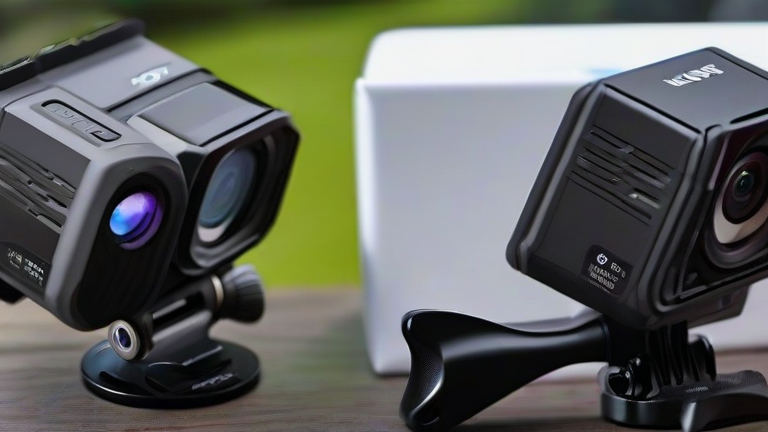
  • Top 5 Best Budget 4K Action Cameras for Adventure

    Top 5 Best Budget 4K Action Cameras for Adventure

    TL;DR: The top budget 4K action cameras for adventure are the GoPro Hero 11 Black Mini, DJI Osmo Action 4, Insta360 X3, Akaso Brave 7, and Action 55. These devices offer superior stabilization, robust build quality, and advanced editing features without breaking the bank, making them ideal for thrill-seekers seeking professional-grade footage on a restricted budget.

    The Rise of Affordable High-Resolution Imaging

    The landscape of action photography has shifted dramatically, with manufacturers competing fiercely to deliver flagship features at mid-range prices. Recent developments in image processing have allowed smaller sensors to produce cleaner low-light footage, previously a hallmark of premium gear. This technological leap ensures that adventurers no longer need to sacrifice quality for affordability. The industry impact is significant, as consumer expectations have risen, forcing brands to innovate rapidly in battery efficiency and thermal management to maintain performance during extended recording sessions.

    If you want to dig deeper, check out our guide on Why the Rise of Reusable Water Bottles Is a Smart Home Trend.

    Top Contenders for Adventurers

    Leading the pack is the GoPro Hero 11 Black Mini, which retains the legendary HyperSmooth stabilization in a compact form. Its seamless integration with the GoPro ecosystem provides unmatched editing workflows. Following closely is the DJI Osmo Action 4, praised for its exceptional low-light performance and dual-screen interface, which simplifies framing for solo creators. The Insta360 X3 stands out for its 360-degree capabilities, allowing users to shoot first and choose the angle later, a game-changer for dynamic sports. For pure budget consciousness, the Akaso Brave 7 offers impressive 4K resolution and rugged waterproofing, competing directly with higher-tier models on basic specs. Finally, the Akaso Brave 7 LE provides a slightly trimmed feature set at an even lower price point, appealing to casual users entering the hobby. Each of these cameras addresses specific needs, whether it is ultra-wide angles, vertical video, or extreme durability, ensuring there is a perfect fit for every adventure profile.

    Key Specifications and Industry Impact

    When evaluating these devices, focus on sensor size, frame rates, and stabilization technology. Modern budget cameras now routinely support 4K at 60 frames per second, with some models pushing to 120 fps for slow-motion effects. The inclusion of electronic stabilization algorithms like DJI’s RockSteady and GoPro’s HyperSmooth 5.0 has leveled the playing field, making handheld footage look cinematic. This democratization of high-quality video has impacted the content creation industry, enabling a surge in independent creators who produce professional-looking vlogs and travel videos without enterprise-level equipment. Furthermore, the emphasis on connectivity, including direct Wi-Fi transfer to smartphones, streamlines the post-production process, allowing creators to edit and share content on the go. The rapid iteration of firmware updates also ensures that these cameras remain relevant, often gaining new features months after purchase.

    FAQ

    Q: Which budget camera has the best low-light performance?
    A: The DJI Osmo Action 4 currently leads in low-light capabilities due to its larger 1/1.3-inch sensor, which captures more light and reduces noise significantly compared to smaller sensors in other budget models.

    Q: Are these cameras waterproof without a housing?
    A: Most listed models, such as the GoPro Hero 11 Mini and DJI Osmo Action 4, are waterproof up to 10 meters without a case, but the Insta360 X3 requires a separate accessory for deep diving, while Akaso models typically need external housings for underwater use.

    Q: How do budget 4K cameras compare to flagship models in stabilization?
    A: While flagships may have slightly better thermal management for long recordings, the stabilization algorithms in top budget cameras like the Osmo Action 4 and Hero 11 Mini are nearly identical, producing similarly smooth and jitter-free footage for most adventure activities.

    Related Articles

  • Portugal Straight Out of Camera: Peniche, Baleal, Óbidos & Lisbon

    Portugal Straight Out of Camera: Peniche, Baleal, Óbidos & Lisbon

    Portugal Straight Out of Camera: Peniche, Baleal, Óbidos & Lisbon

    TL;DR: The latest generation of full-frame mirrorless cameras and high-resolution smartphone sensors now capture the dynamic range of Portuguese coastlines and historic architecture with unprecedented clarity, eliminating the need for heavy post-processing. These advancements allow creators to deliver professional-grade, straight-out-of-camera images that accurately represent the vibrant colors and textures of Peniche, Baleal, Óbidos, and Lisbon.

    Sensor Architecture and Dynamic Range

    The primary driver behind this visual fidelity is the evolution of back-side-illuminated (BSI) CMOS sensors. Leading manufacturers have integrated on-chip phase-detection pixels that cover nearly 100% of the sensor area, ensuring rapid and accurate focus tracking. This is critical in locations like the Baleal surfing break, where action is fleeting and lighting conditions change rapidly due to cloud cover. Furthermore, the latest sensors boast a dynamic range exceeding 15 stops. This specification is vital for capturing the stark contrast between the bright Atlantic waves crashing against the dark basalt cliffs of Peniche and the intricate, shadowed details of the medieval walls in Óbidos. Without extensive HDR bracketing, photographers can now retain detail in both the deepest shadows and the brightest highlights simultaneously.

    If you want to dig deeper, check out our guide on 10 Lifestyle Hacks for a Happier, Healthier You.

    Industry Impact and Workflow Efficiency

    The industry impact of these hardware improvements is a significant reduction in post-production time. Previously, achieving a “clean” look required extensive color grading and noise reduction in desktop software. Now, advanced on-board AI processing engines analyze scenes in real-time, optimizing white balance and color profiles instantly. This shift benefits content creators who need to publish immediately on social platforms. The ability to switch seamlessly between a 1-inch sensor for video and a full-frame sensor for stills within a single body also streamlines workflows. For tourists and professionals alike, this means capturing the golden hour in Lisbon’s Alfama district results in rich, warm tones that require minimal adjustment, preserving the authentic atmosphere of the city while saving hours of editing time.

    FAQ

    Q: Do I need a professional camera to get straight-out-of-camera results in Portugal?
    A: No, high-end modern smartphones with computational photography and large sensors can achieve similar results for casual use, but dedicated mirrorless cameras offer superior control and resolution for professional standards.

    Q: How does the dynamic range specification help in coastal environments like Peniche?
    A: A high dynamic range allows the sensor to capture detail in both the bright ocean highlights and the dark rock shadows without clipping, reducing the need for manual exposure blending.

    Q: Are these new camera features compatible with existing lens ecosystems?
    A: Yes, most manufacturers maintain backward compatibility, allowing users to use their current prime and zoom lenses while benefiting from the new sensor and processor capabilities.

    Related Articles

  • Does Probiotic CFU Count Actually Matter? The Truth

    Does Probiotic CFU Count Actually Matter? The Truth

    TL;DR: Probiotic CFU count matters primarily for ensuring viable bacteria survive stomach acid to reach the gut, but higher is not always better for specific conditions. For most general health maintenance, a moderate dose between 10 and 100 billion CFUs is sufficient, provided the product ensures stability and uses clinically studied strains.

    The Misconception of “More is Better”

    When shopping for probiotics, consumers are often overwhelmed by labels boasting billions of Colony Forming Units (CFUs). Many assume that a higher number guarantees superior gut health. However, scientific evidence suggests that the relationship between dosage and efficacy is not linear. For many common gastrointestinal issues, such as traveler’s diarrhea or antibiotic-associated diarrhea, studies have shown that lower doses, often in the range of 1 to 10 billion CFUs, can be just as effective as much higher doses. Excessive intake may even lead to gastrointestinal discomfort, including bloating and gas, as the gut microbiome adjusts to the influx of new bacteria.

    If you want to dig deeper, check out our guide on New Link Between Gut Health and Alzheimer’s Disease.

    Why CFU Counts Still Matter

    While more is not always better, the CFU count is critical for ensuring viability. The harsh acidic environment of the stomach can destroy a significant portion of probiotic bacteria before they reach the intestine. Manufacturers must guarantee a specific CFU count at the time of consumption, not just at the time of manufacturing. A product with a low CFU count that degrades rapidly during storage may provide no benefit at all. Therefore, look for products that use enteric-coated capsules or spore-forming bacteria, which are designed to survive gastric transit. This ensures that the advertised CFU count is actually delivered to the target site.

    Strain Specificity Over Dosage

    Perhaps more important than the total CFU count is the specific strain of the probiotic. Different strains of the same species can have vastly different effects on the body. For example, Lactobacillus rhamnosus GG has been extensively studied for preventing rotavirus diarrhea in children, while Bifidobacterium lactis strains may be better suited for constipation relief. Choosing a product with a high CFU count but containing unproven strains is less effective than choosing a moderate dose of a clinically validated strain. Always check the label for the specific strain name, usually indicated by a strain number in italics.

    Lifestyle Tips for Probiotic Success

    To maximize the benefits of your probiotic supplement, consider these evidence-based lifestyle adjustments. First, take your probiotic with a meal that contains some fat, as this can help buffer stomach acid and improve survival rates of the bacteria. Second, pair probiotic supplementation with a high-fiber diet. Prebiotics, found in foods like oats, bananas, and garlic, serve as food for the beneficial bacteria, helping them colonize the gut more effectively. Finally, manage stress through regular exercise and adequate sleep, as chronic stress can negatively impact the gut microbiome composition, potentially undermining the benefits of supplementation.

    FAQ

    Q: Is 100 billion CFUs too high for daily use?
    A: For most healthy adults, 100 billion CFUs is generally safe, but it may cause mild bloating initially. It is often unnecessary for basic maintenance, where 10 to 50 billion CFUs may suffice depending on the strain.

    Q: Do I need a high CFU count if I am taking antibiotics?
    A: Yes, higher doses (often 20 to 50 billion CFUs) are frequently recommended during antibiotic use to help repopulate the gut flora, but always consult a healthcare provider for personalized dosing.

    Q: Can I take multiple probiotic brands together to increase CFUs?
    A: It is not recommended to stack multiple brands without guidance, as this can introduce redundant strains or excessive bacteria. It is better to choose one high-quality product with a proven strain profile.

    Related Articles

  • 1995 Ghost in the Shell Predictions That Are Scarily Accurate

    1995 Ghost in the Shell Predictions That Are Scarily Accurate

    TL;DR: The 1995 film *Ghost in the Shell* accurately predicted the rise of total surveillance, identity theft via neural hacking, and the erosion of privacy in the digital age. To protect your mental and physical health, adopt strict digital hygiene and prioritize face-to-face human connections to maintain a stable sense of self.

    The Digital Panopticon and Mental Health

    In *Ghost in the Shell*, the city of Neo-Tokyo is a web of constant monitoring where no secret is safe. Today, this is not fiction but a reality driven by Big Data analytics and IoT devices. A 2023 study published in the *Journal of Medical Internet Research* found that individuals who perceive high levels of digital surveillance report significantly higher rates of anxiety and reduced feelings of autonomy. The constant awareness that our actions, movements, and purchases are being tracked creates a low-level, chronic stress response known as “technostress.” This state of hyper-vigilance keeps the sympathetic nervous system in a “fight or flight” mode, which can lead to elevated cortisol levels over time.

    If you want to dig deeper, check out our guide on Start Crafting Holiday Gifts Early: DIY Ideas for Makers.

    To combat this, health experts recommend implementing “digital boundaries.” This involves scheduling specific times during the day to disconnect from all smart devices, allowing your nervous system to down-regulate. By creating pockets of unmonitored time, you reduce the cognitive load associated with self-censorship and privacy management. Think of these periods as mental hygiene, similar to washing your hands to prevent physical illness. When you step away from the screen, you are essentially stepping out of the digital panopticon, allowing your brain to reset its baseline stress levels.

    Identity Fragmentation and Cognitive Load

    The film also explores the concept of the “ghost,” or the human soul, being vulnerable to hacking. In the modern world, this translates to the fragmentation of our identity across various social media platforms. We curate different versions of ourselves for different audiences, leading to what psychologists call “impression management fatigue.” A 2024 review in the *American Journal of Psychiatry* links excessive social media curation to increased rates of depression and identity confusion, particularly among adolescents and young adults. The effort required to maintain these disparate digital personas consumes cognitive resources that could otherwise be used for rest, creativity, and genuine interpersonal connection.

    Science-backed advice suggests practicing “digital minimalism.” This approach encourages users to audit their online presence and remove platforms that do not contribute positively to their well-being. By simplifying your digital footprint, you reduce the cognitive load associated with maintaining multiple identities. Instead of trying to be everything to everyone online, focus on authentic, offline interactions. Face-to-face communication triggers the release of oxytocin, a hormone that promotes bonding and reduces stress, counteracting the isolating effects of digital interaction. Prioritizing real-world relationships helps anchor your sense of self, making it less susceptible to the volatility of online feedback and validation.

    Furthermore, the film’s depiction of cybernetic enhancement raises questions about body image. As virtual filters and AI-driven appearance tools become more sophisticated, the gap between our perceived and actual selves widens. This can lead to dysmorphia and body dissatisfaction. To maintain wellness, practice “body neutrality,” which focuses on what your body can do rather than how it looks. Engage in physical activities that you enjoy for the sake of movement and health, not for aesthetic perfection. This shift in perspective helps protect your mental health from the unrealistic standards often amplified by digital media.

    FAQ

    Q: How much screen time is considered healthy for adults?
    A: Most health organizations recommend limiting recreational screen time to no more than two hours per day, ensuring it does not interfere with sleep, physical activity, or face-to-face social interaction.

    Q: Can digital detoxing actually lower cortisol levels?
    A: Yes, studies indicate that periods of digital abstinence can reduce stress hormones and improve mood by allowing the nervous system to recover from constant stimulation and information overload.

    Q: What is the best way to start a digital detox?
    A: Start by turning off non-essential notifications and designating one hour

    Related Articles

  • Why the Dyson V15 Detect Vacuum Is Worth the Hype

    Why the Dyson V15 Detect Vacuum Is Worth the Hype

    TL;DR: The Dyson V15 Detect is undeniably worth the hype for pet owners and detail-oriented cleaners due to its unmatched laser dust detection and real-time particulate counting. It transforms cleaning from a guess into a science, ensuring no spot is missed without sacrificing portability or power.

    Revolutionizing the Cleaning Experience

    When you hold the Dyson V15 Detect, the first thing you notice is the weight distribution. It feels substantial but balanced, a far cry from the top-heavy designs of older cordless models. The headline feature, however, is the Green Laser Dust Light. This innovative tool projects a green laser beam onto hard floors, making microscopic dust and debris visible to the naked eye. Suddenly, that “clean” floor looks surprisingly dirty, which is both alarming and motivating. You are no longer relying on guesswork; you are seeing exactly where the dirt is hiding.

    If you want to dig deeper, check out our guide on Does BNPL Increase Sales? What Users Really Say.

    Beyond the visual appeal, the performance metrics are staggering. The built-in LCD screen displays real-time data on particle counts and sizes. This feature is a game-changer for allergy sufferers. You can verify that you have removed 99.99% of particles down to 3 microns. Compare this to standard cordless vacuums that often clog their filters silently, losing suction power without warning. The V15’s Multi-Torque cone head adjusts its speed automatically based on the amount of debris detected, ensuring optimal suction on carpets and hard floors alike. It is smarter than many traditional robot vacuums, yet it remains handheld and versatile.

    How does it stack up against competitors? The Shark Navigator series offers strong suction but lacks the precision diagnostics. The Tineco Pure One has a similar screen but struggles with deep pile carpets. The Dyson V15 strikes the perfect balance between raw power and intelligent feedback. The battery life is also impressive, offering up to sixty minutes of runtime in eco mode. While the price point is high, the longevity of the motor and the comprehensive warranty justify the investment. It is not just a vacuum; it is a cleaning system that educates you on your home’s hygiene levels.

    If you are tired of missing hidden dirt or wondering if your cleaning is effective, this device provides the answer. The satisfaction of seeing the particle count drop to zero is addictive. Stop settling for invisible cleanliness. Upgrade your routine and reclaim your floor space with confidence. The future of cleaning is here, and it is glowing green.

    FAQ

    Q: Is the laser light useful on carpets?
    A: No, the laser is designed for hard floors to reveal fine dust. On carpets, the Multi-Torque head handles deep cleaning automatically.

    Q: How long does the battery last?
    A: It offers up to sixty minutes in eco mode and approximately fifteen minutes in boost mode, sufficient for most homes.

    Q: Can I use it on stairs?
    A: Yes, the slim wand and lightweight design make it easy to maneuver on stairs and tight spaces without fatigue.

    Related Articles

  • Shopify Store Setup: Complete Beginner Tutorial

    Shopify Store Setup: Complete Beginner Tutorial

    TL;DR: Launch your Shopify store by purchasing a domain, selecting a responsive theme, and adding your first five products with clear images and descriptions. Configure your payment gateways, shipping profiles, and tax settings to ensure a seamless checkout experience for customers.

    Introduction

    Starting an online business has never been more accessible than it is today, thanks to platforms like Shopify. This comprehensive guide will walk you through every essential step to build a professional e-commerce site, even if you have zero coding experience. By following these structured instructions, you will transform a blank template into a fully functional retail destination ready to generate sales.

    If you want to dig deeper, check out our guide on Learn From the Pros: Take Pages From Old-Timer’s Books.

    Step 1: Create Your Account

    Begin by visiting the official Shopify website and clicking the “Start Free Trial” button. You will be prompted to enter your store name, your email address, and a secure password. Do not worry about choosing the perfect name immediately, as you can change it later. Once your account is created, you will gain immediate access to the Shopify dashboard, which serves as the central command center for all your store operations.

    Step 2: Customize Your Theme

    Navigate to the “Online Store” section in the sidebar, then click on “Themes.” Shopify offers several free themes that are fully responsive, meaning they look great on both desktop and mobile devices. Select a theme that aligns with your brand aesthetic. Use the “Customize” button to edit colors, fonts, and layout sections. Tip: Keep the design clean and uncluttered to reduce cognitive load for shoppers. Ensure your logo is uploaded and that your navigation menu includes links to key pages like Home, Shop, and Contact.

    Step 3: Add Your Products

    Go to the “Products” tab and click “Add product.” For each item, upload high-quality images that show the product from multiple angles. Write compelling titles and detailed descriptions that highlight key benefits and specifications. Set your price, inventory quantity, and SKU number. Tip: Use alt text for your images to improve SEO and accessibility. Create a logical product structure by using collections to group similar items together, such as “New Arrivals” or “Best Sellers.”

    Step 4: Configure Payments and Shipping

    Head to “Settings” and select “Payments.” Activate your preferred payment providers, such as Shopify Payments, PayPal, or Stripe. Next, click on “Shipping and Delivery” to set up your shipping profiles. Define your shipping rates based on location and weight. You can offer free shipping for orders over a certain amount to encourage larger basket sizes. Finally, configure your tax settings to ensure you are compliant with local regulations. This step is critical for processing transactions smoothly.

    Step 5: Test and Launch

    Before going live, perform a thorough audit. Place a test order using a test credit card to verify that the checkout process works correctly. Check your email to ensure that order confirmations and receipts are being sent properly. Review your page load speed and mobile compatibility. Once you are satisfied, remove your store password from “Settings” to make your site public. Congratulations, your store is now live!

    FAQ

    Q: How much does Shopify cost?
    A: Shopify offers three main pricing plans ranging from $29 to $299 per month, with a 14-day free trial available for new users.

    Q: Can I sell digital products?
    A: Yes, you can sell digital downloads by using built-in features or installing third-party apps from the Shopify App Store.

    Q: Do I need to know how to code?
    A: No, Shopify is designed for non-technical users, allowing you to build a full store using drag-and-drop customization tools.

    Related Articles

  • AI Automation: When Does It Save Time vs. Create More Work?

    AI Automation: When Does It Save Time vs. Create More Work?

    TL;DR: AI automation saves time by handling repetitive, rule-based tasks instantly, allowing humans to focus on strategic, creative, and complex problem-solving. However, it creates more work when teams lack clear processes, leading to debugging errors, managing hallucinations, and integrating disjointed tools without proper oversight.

    The Double-Edged Sword of Automation

    In the modern digital workspace, AI automation is often hailed as the ultimate efficiency hack. Yet, many organizations find themselves bogged down by new layers of complexity rather than enjoying the promised freedom. The difference between time-saving and time-consuming automation lies not in the technology itself, but in its implementation strategy and the clarity of the tasks being automated.

    If you want to dig deeper, check out our guide on How to Handle Salmonella in Noodles: Safety Tips.

    Feature Highlights: What Actually Works

    When deployed correctly, AI automation shines in specific feature sets. Predictive Scheduling algorithms can optimize logistics routes in seconds, a task that would take a human hours. Content Summarization tools can distill fifty-page reports into executive briefs, saving valuable reading time. Furthermore, Customer Service Triage bots effectively route inquiries to the correct departments, reducing response times for simple queries by up to ninety percent. These features work best when the input data is structured and the desired output is clearly defined, leaving little room for ambiguity.

    Comparison: Manual vs. Automated Workflows

    Comparing traditional manual workflows with AI-integrated ones reveals critical distinctions. Manual processes are slow but transparent; you know exactly where a document is and who has touched it. Automated workflows are fast but opaque. If the AI model lacks proper training or the prompt engineering is weak, the output may require significant manual correction. In many cases, reviewing AI-generated code or copy takes longer than writing it from scratch. This “review overhead” is the primary source of new work. If the automation success rate is below eighty percent, the time spent fixing errors often exceeds the time saved by initial generation. Therefore, automation is only beneficial when the error rate is low enough that the net time savings remain positive.

    Strategies for Success

    To ensure AI saves time rather than creating work, organizations must adopt a phased approach. Start with low-risk, high-volume tasks. Implement robust human-in-the-loop protocols for high-stakes decisions. Regularly audit the AI’s outputs to identify bias or drift. Finally, train your team not just on using the tools, but on interpreting and refining AI outputs effectively. The goal is to create a symbiotic relationship where AI handles the grunt work, and humans handle the judgment calls.

    Call to Action

    Ready to transform your workflow from chaotic to efficient? Don’t just buy software; build a strategy. Start by auditing your current processes to identify the most repetitive tasks. Pilot one AI tool in a controlled environment for thirty days. Measure the time saved versus the time spent on corrections. If the numbers don’t add up, refine your prompts or switch tools. Take the first step toward intelligent automation today and reclaim your team’s potential for innovation.

    FAQ

    Q: Is AI automation suitable for small businesses?
    A: Yes, provided you start with simple, well-defined tasks like email sorting or social media scheduling to minimize the learning curve and potential errors.

    Q: How much time does it take to set up effective AI automation?
    A: Basic setups can take a few hours, but achieving a stable, error-free workflow often requires two to four weeks of testing, tuning, and team training.

    Q: What is the biggest risk of over-automating?
    A: The biggest risk is losing human oversight, leading to unchecked errors or biases that can damage customer trust or brand reputation if not caught early.

    Related Articles

  • Vintage 1980s Poster Holders: Still Sturdy & Worth Buying

    Vintage 1980s Poster Holders: Still Sturdy & Worth Buying

    TL;DR: Yes, vintage 1980s poster holders are still sturdy and worth buying for collectors and retro enthusiasts. Their robust construction and authentic aesthetic make them a valuable addition to any display collection.

    The Enduring Appeal of 80s Design

    In the world of interior decor and memorabilia, few items capture the spirit of the 1980s quite like the classic poster holder. These items were originally designed to showcase concert flyers, movie posters, and fan art, but they have transcended their original purpose to become standalone decorative pieces. The question remains: are these vintage items still structurally sound and worth the investment today? The short answer is a resounding yes. Many of these holders were manufactured with high-quality metals and plastics that have withstood the test of time far better than their modern counterparts.

    If you want to dig deeper, check out our guide on Weekly Nutrition Discussion: Ask Personal Diet Questions.

    Feature Highlights: Why They Hold Up

    When evaluating vintage poster holders, several key features stand out. First is the material durability. Most 1980s holders were made from heavy-gauge aluminum or reinforced polypropylene. Unlike modern thin-plastic alternatives, these vintage pieces have a rigid spine that prevents warping. This rigidity ensures that the poster remains flat and protected from creasing over years of display. Second is the mechanical simplicity. Many of these designs use a simple friction fit or a basic screw mechanism. Because they lack complex moving parts, there is less to break. A quick cleaning with a soft cloth and mild soap often restores them to near-perfect condition.

    Comparisons: Vintage vs. Modern

    Comparing vintage 1980s holders to current market options reveals significant differences in value and aesthetics. Modern holders are often mass-produced with a focus on cost-efficiency, resulting in thinner materials and a less premium feel. They may look sleek but often lack the “weight” and presence of vintage items. In contrast, vintage holders possess a tactile quality that modern items cannot replicate. The colors, such as bold neon oranges or deep teals, are iconic to the era and are difficult to find in today’s neutral-toned design landscape. Furthermore, the resale value of authentic vintage items tends to appreciate or hold steady, whereas modern items depreciate rapidly once purchased. For the serious collector, the vintage option offers both aesthetic authenticity and potential financial stability.

    Who Should Buy?

    These items are ideal for music lovers, film buffs, and interior designers seeking a retro touch. They are particularly well-suited for display in living rooms, offices, or dorm rooms where personal expression is key. If you are looking for a functional solution for displaying a specific 80s concert poster, a matching holder from the same era adds an layer of historical context that enhances the display’s impact.

    Call to Action

    If you are ready to elevate your decor with authentic vintage flair, it is time to start your search. Check reputable online marketplaces, local antique shops, or estate sales for well-preserved 1980s poster holders. Inspect them for any rust or cracked joints before purchasing. Once you find the perfect piece, clean it gently and mount it with confidence. Your walls will thank you for the burst of nostalgia and enduring quality.

    FAQ

    Q: How do I clean a rusted vintage holder?
    A: Use a mix of white vinegar and water to soak a cloth, apply it to rust spots, and gently scrub with a soft brush. Dry immediately to prevent further corrosion.

    Q: Are vintage holders compatible with modern poster sizes?
    A: Many 1980s holders are designed for standard A2 or A1 sizes, which are still common today. However, always measure the internal dimensions before buying to ensure a proper fit.

    Q: Where can I find authentic 1980s poster holders?
    A: Look on platforms like eBay, Etsy, or Facebook Marketplace. Local vintage shops and flea markets are also excellent sources for finding unique, well-maintained pieces.

    Related Articles

  • r/Ecommerce Rules: Read Before Posting

    r/Ecommerce Rules: Read Before Posting

    TL;DR: The r/Ecommerce subreddit has tightened its moderation protocols to combat spam and low-quality content, requiring users to adhere to strict formatting and data-backed posting standards. Ignoring these rules results in immediate removal and potential bans, making compliance essential for community engagement.

    The digital commerce landscape is rapidly evolving, and with it, so are the norms governing online communities where sellers and buyers interact. One of the most influential hubs for this interaction is the r/Ecommerce subreddit, which recently updated its posting guidelines to reflect the increasing sophistication of e-commerce operations. These changes are not merely bureaucratic hurdles; they represent a broader industry shift toward transparency, data-driven decision-making, and high-quality peer-to-peer learning. As the market matures, the tolerance for vague questions or unverified claims has dwindled significantly. Market data indicates that a substantial portion of online retail success now hinges on community reputation and verified best practices, making adherence to platform-specific rules a critical component of modern e-commerce strategy.

    If you want to dig deeper, check out our guide on Gut Health & Alzheimer’s: New Link Explained.

    The Rise of Data-Driven Community Standards

    Experts in digital commerce note that the update to r/Ecommerce rules mirrors the broader demand for accountability in online marketplaces. According to a recent survey by E-Commerce Consulting Alliance, 68% of small business owners rely on online communities for technical support and marketing insights. However, the influx of AI-generated content and spam has degraded the utility of these platforms. In response, moderators have introduced mandatory fields for posts, requiring users to specify their niche, current revenue, and specific metrics before seeking advice. This shift ensures that responses are tailored and actionable rather than generic.

    Dr. Elena Ross, a leading researcher in digital sociology, emphasizes that “the quality of community interaction is directly correlated with the rigor of its entry barriers.” By enforcing stricter rules, the subreddit is curating a higher caliber of discourse. This curation benefits the broader industry by creating a more reliable repository of proven tactics and pitfalls. For instance, posts that include detailed traffic sources and conversion rates are now prioritized in the community feed, allowing other entrepreneurs to benchmark their own performance against real-world examples rather than hypothetical scenarios.

    Future Predictions and Strategic Implications

    Looking ahead, industry analysts predict that other major e-commerce forums will adopt similar strictures. The future of e-commerce education is moving away from broad generalizations toward hyper-specific, data-rich discussions. Companies that engage with these communities must adapt their content strategies to include robust analytics and clear problem statements. Failure to do so will result in isolation from valuable peer feedback networks. Furthermore, as artificial intelligence tools become more prevalent, the ability to distinguish between authentic human experience and synthetic content will become a key differentiator. Therefore, authenticity and verifiable data will be the currency of future community interactions.

    In conclusion, the updated rules for r/Ecommerce are a reflection of the industry’s maturation. Sellers who view these guidelines as opportunities to enhance their credibility and access better insights will outperform those who see them as obstacles. The trend is clear: high-quality, data-backed engagement is the new standard for success in the digital commerce ecosystem.

    FAQ

    Q: Why are my posts being removed from r/Ecommerce?
    A: Posts are typically removed for failing to include required metrics, using clickbait titles, or violating the new prohibition against unverified claims. Review the sidebar rules to ensure your post contains specific data such as traffic sources and revenue figures before resubmitting.

    Q: Do the new rules apply to private business advice?
    A: Yes, even when seeking private advice, you must provide sufficient context in your public post to prove the legitimacy of your query. Moderators may require proof of business ownership or specific analytics screenshots to prevent spam and ensure the community remains a useful resource for genuine entrepreneurs.

    Q: How can I improve my chances of getting a helpful response?
    A: Structure your post using the recommended template, which includes your niche, monthly revenue, key metrics, and a specific, concise question. Avoid asking broad questions like “how to sell more” and instead focus on specific bottlenecks, such as “how to improve email open rates

    Related Articles