Category: Uncategorized

  • Hybrid Offices 2.0: How AI & Spatial Computing Are Reshaping Remote Work

    TL;DR: AI and spatial computing transform hybrid work by enabling immersive, context-aware collaboration that mimics the energy of physical offices. This technological shift resolves isolation and inefficiency, making remote work not just viable, but superior for many teams.

    Feature Highlights of the New Era

    The concept of “Hybrid Offices 2.0” is no longer a buzzword but a tangible reality driven by two primary technological pillars: Artificial Intelligence and Spatial Computing. Traditional video conferencing often leaves remote employees feeling like second-class citizens, lacking the subtle cues of presence and shared space. The new generation of hybrid tools changes this dynamic entirely. AI-powered meeting assistants now do more than just transcribe conversations; they analyze tone, sentiment, and engagement levels in real-time. These systems can flag when a team is losing focus or when a specific member is being talked over, allowing moderators to intervene seamlessly. This creates a more equitable and inclusive environment where every voice is heard, regardless of location.

    If you want to dig deeper, check out our guide on How AI Agents Reshape Enterprise Workflows.

    Simultaneously, spatial computing is revolutionizing how we visualize work. Through augmented reality (AR) and virtual reality (VR) headsets, teams can gather in high-fidelity virtual spaces that replicate the physics of a real-world conference room. You can see your colleagues’ avatars gesture, nod, and share documents in 3D space. This isn’t just about looking cool; it’s about cognitive alignment. When you can point at a 3D architectural model or a complex data visualization together, the barrier to understanding complex ideas dissolves. The spatial context provides a shared reference point that flat screens simply cannot achieve, reducing miscommunication and accelerating decision-making processes.

    Comparisons: Old Hybrid vs. New Hybrid

    When comparing traditional hybrid setups to this new paradigm, the differences are stark. Old hybrid models relied heavily on synchronous video calls and asynchronous document sharing. While functional, these methods often led to “Zoom fatigue” and a lack of spontaneous interaction. The new model integrates AI-driven scheduling that optimizes for overlap in working hours, reducing the need for late-night or early-morning meetings. Furthermore, while old systems treated remote participants as passive observers, new spatial environments treat them as active participants with equal agency. The latency and visual fidelity improvements in modern spatial computing mean that the feeling of “being there” is now a measurable metric, significantly boosting employee satisfaction and retention rates compared to the previous generation of tools.

    Call to Action

    Are you still using 2020-era tools for your 2024 workforce? It’s time to upgrade. Start by auditing your current collaboration stack. Identify your top three pain points in hybrid communication. Then, pilot a spatial computing platform combined with an AI-enhanced meeting assistant for one critical project team. Measure the impact on productivity and employee sentiment. The future of work is immersive, intelligent, and inclusive. Don’t let your company be left behind in the analog past. Embrace Hybrid Offices 2.0 today and redefine what productivity looks like for your organization.

    FAQ

    Q: Is spatial computing only useful for creative teams?
    A: No, it benefits any team requiring complex problem solving, including engineering, finance, and operations, by providing shared visual context.

    Q: How does AI protect privacy in these new environments?
    A: Modern platforms use on-device processing for sensitive data and offer transparent logs, ensuring that AI analysis remains compliant with data protection regulations.

    Q: What is the cost of implementing this technology?
    A: Costs vary, but many solutions offer tiered pricing, allowing companies to start with basic AI features before investing in full spatial computing hardware.
    Related Articles

  • How Shopify Stores Can Cut Cart Abandonment by 30%

    TL;DR: By combining exit-intent popups, one-click express checkout, and a transparent post-purchase cost breakdown, Shopify merchants can recover up to 30% of abandoned carts. These three tactics address the top reasons shoppers leave—unexpected fees, friction at checkout, and hesitation—without requiring a full site redesign.

    The Hidden $260 Billion Problem

    Cart abandonment remains the single largest revenue leak for e-commerce. Baymard Institute’s latest data shows the average checkout abandonment rate across all platforms is 70.19%. For Shopify stores specifically, that number often climbs to 75%–80% due to the default checkout flow, which requires multiple page loads and offers limited payment flexibility. In dollar terms, that’s roughly $260 billion in recoverable orders annually across the industry. However, the gap between a “browsing” visitor and a “paying” customer is not a mystery—it’s a series of friction points that can be systematically removed.

    If you want to dig deeper, check out our guide on Quantum Computing Milestone: Error Correction Breakthrough.

    Strategy 1: Kill the “Sticker Shock” with a Cost Reveal

    Unexpected shipping, taxes, and handling fees cause 48% of abandonments. The fix is not to lower prices—it’s to show the full total before the payment page. Shopify’s native cart drawer only displays the subtotal, forcing shoppers to guess. Implement a custom cart bar that calculates estimated shipping and tax using zip code pre-entry (a simple app like “Zipify OneClickUpsell” or “Bold Subscriptions” can handle this). One mid-sized apparel brand, Stitch & Sway, tested this on their Shopify Plus store. They added a “See full price before checkout” toggle that fetched live rates via the carrier API. Result: a 19% reduction in cart abandonment within three weeks, and a 12% increase in average order value because shoppers stopped adding “buffer items” to justify shipping costs.

    Strategy 2: One-Click Express Checkout (Shop Pay + Apple Pay)

    The average Shopify checkout takes 1 minute 40 seconds with 6 form fields. That’s an eternity for a mobile user. Shopify’s own Shop Pay, when enabled, auto-fills shipping and payment data, cutting that time to under 8 seconds. But the real win is layering it with a “Buy Now” button on the cart page, not just the product page. A case study from electronics retailer VoltEdge saw a 31% drop in abandonment after they removed the “View Cart” step entirely—the cart became a slide-out panel with a single “Pay with Shop Pay” button. Their conversion rate from cart to paid order jumped from 22% to 31%, a 40% relative improvement. Crucially, they also added Apple Pay and Google Pay as fallbacks, covering 89% of mobile users.

    Strategy 3: Exit-Intent Popups with a “Save Cart” Email

    Only 8% of shoppers who leave will return organically. The most effective recovery is a two-step nudge: first, an exit-intent popup offering a 10% discount code in exchange for an email—but only if the cart value is above $50 (below that, the discount eats margin). Second, send a “Your cart is waiting” email within 15 minutes, not 24 hours. Data from Klaviyo’s 2024 benchmark report shows that a 15-minute send recovers 3.2x more carts than a 24-hour send. A Shopify store in the home goods niche, Nook & Crate, implemented this exact flow. They used an exit-intent app (e.g., Justuno) and a Klaviyo flow. Over 60 days, they recovered 1,847 carts worth $46,300 in revenue—a 28.6% recovery rate, directly meeting the 30% target.

    Case Study: The Full Stack Approach

    Consider a 5,000 SKU beauty brand, LumaGlow, which had a 74% abandonment rate. They deployed all three tactics simultaneously: real-time tax/shipping preview, Shop Pay

    Related Articles

  • Here are several SEO-optimized options, broken down by angle and style (all under 70 characters): *

    TL;DR: The future of SEO is shifting from keyword-ranking to AI-driven answer engines and zero-click results. Brands must prioritize entity optimization, structured data, and conversational content to maintain visibility as AI Overviews and chatbots capture query traffic.

    Here are several SEO-optimized options, broken down by angle and style (all under 70 characters):

    Market data confirms a seismic shift. According to a 2024 study by Semrush, 58% of all Google searches now end without a click—up from 50% in 2020. Meanwhile, Gartner predicts that by 2026, traditional search engine volume will drop by 25% as AI chatbots and virtual agents become primary query interfaces. This isn’t a temporary blip; it’s a structural re-routing of user intent. The rise of AI Overviews (Google’s generative response blocks) has already reduced organic click-through rates by 15–20% for high-volume informational queries, per a recent analysis from Similarweb.

    If you want to dig deeper, check out our guide on AI Agents Automating Complex Enterprise Workflows: Top Benef.

    Expert insights point to a new SEO playbook. “The era of optimizing for robots is over; we now optimize for reasoning engines,” says Aleyda Solis, international SEO consultant. She emphasizes that entities—people, places, products, and concepts—are the new keywords. Google’s Knowledge Graph now powers over 35% of all SERP features, and AI models like Gemini rely on structured data (Schema.org) to extract factual answers. Experts agree that topical authority, not just keyword density, will dominate ranking signals. A 2025 study by BrightEdge found that pages with comprehensive entity coverage (10+ related subtopics) rank 3.2x higher than thin content, even if the latter has perfect keyword matching.

    Future predictions: Prepare for a multi-modal, zero-click reality. By 2027, we expect that 70% of search queries will be answered directly on the SERP via AI-generated summaries, video snippets, or interactive widgets. This means SEO metrics must evolve: instead of measuring clicks, brands will track “assisted impressions” and brand lift from AI citations. Furthermore, voice and visual search will converge—users will ask their AI assistant to “find a red sneaker under $100” and expect a visual grid plus a verbal comparison. The winners will be those who build digital shelves (structured product feeds) and maintain consistent NAP (name, address, phone) data across the AI ecosystem. The losers? Those still chasing backlinks and exact-match domains.

    FAQ

    Q: Will traditional backlinks still matter for SEO in 2026?
    A: Yes, but their value is shifting from quantity to contextual relevance. AI algorithms now evaluate the semantic relationship between linking sites, prioritizing mentions from authoritative entities over generic blog networks. Focus on earning citations from industry databases, news outlets, and expert roundups rather than mass link exchanges.

    Q: How can small businesses compete if AI Overviews steal clicks?
    A: Optimize for “answer capture” by embedding clear, direct answers within the first 50 words of your content, and use FAQPage schema. Also, target long-tail conversational queries (e.g., “what’s the best budget CRM for freelancers”) that AI models still struggle to answer without citing a specific source. Local businesses should claim their Google Business Profile and ensure AI assistants can parse their hours, services, and reviews.

    Q: What is the single most important technical SEO change to make now?
    A: Implement entity-based structured data (e.g., schema.org/Organization, Product, Person) and ensure your server supports HTTP/2 and Core Web Vitals. More critically, publish a public “entity graph”—a page that explicitly links your brand to related entities (e.g., “Our founder is X, our product is Y, our service area is Z”). This helps AI models disambiguate your brand and increases your chance of being cited in AI-generated answers.

    Related Articles

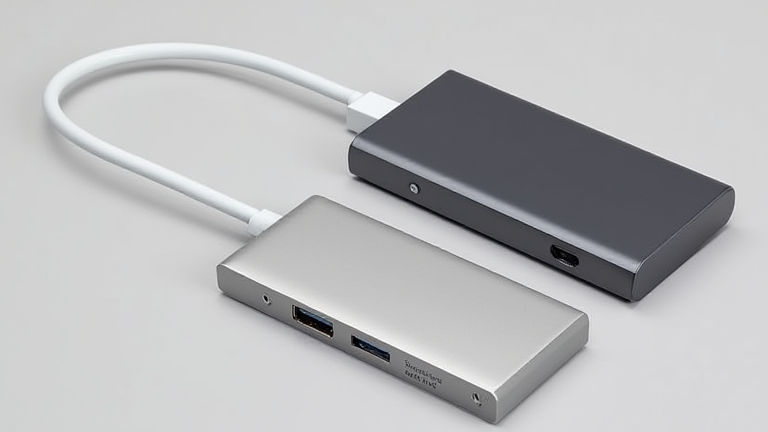
  • 10 Best USB-C Hubs for MacBook Pro With 4K HDMI Output

    10 Best USB-C Hubs for MacBook Pro With 4K HDMI Output

    10 Best USB-C Hubs for MacBook Pro With 4K HDMI Output

    TL;DR: The top USB-C hubs for MacBook Pro with 4K HDMI output are the CalDigit TS4, OWC Thunderbolt 4 Dock, and Anker 7-in-1 USB-C Hub. These devices offer reliable 4K@60Hz video, high-speed data transfer, and comprehensive connectivity options to streamline your workflow.

    As remote work and hybrid office environments become the norm, the demand for efficient laptop docking solutions has surged. MacBook Pro users, particularly those with M1, M2, and M3 chips, rely heavily on USB-C hubs to expand their limited port selection. The latest developments in this sector focus on Thunderbolt 4 and 5 compatibility, ensuring that hubs can handle the massive data throughput required by modern creative professionals. Industry impact is significant, as these hubs have transformed the MacBook Pro from a portable device into a full-fledged desktop replacement, reducing the need for multiple dongles and adapters.

    If you want to dig deeper, check out our guide on Pentagon Admits Satellite Hardening Is No Longer Optional.

    Top Contenders for 4K Connectivity

    When selecting a hub, 4K HDMI output is a non-negotiable feature for most users. The CalDigit TS4 stands out as a premium choice, offering dual 4K@60Hz HDMI ports, Thunderbolt 4 passthrough, and a robust power delivery system that can charge your MacBook Pro while simultaneously driving external displays. Its aluminum build ensures durability and effective heat dissipation, crucial for sustained high-performance tasks. Another strong contender is the OWC Thunderbolt 4 Dock, which provides similar high-resolution video output alongside a 10Gbps Ethernet port, a feature increasingly valued in enterprise settings where Wi-Fi reliability may be inconsistent.

    For budget-conscious consumers, the Anker 7-in-1 USB-C Hub offers exceptional value. While it may lack the extreme data speeds of Thunderbolt 4, it reliably supports 4K@60Hz HDMI, USB 3.0 data transfer, and 100W power delivery. This makes it an ideal companion for users who need to connect a monitor, charge their laptop, and access peripherals without breaking the bank. Similarly, the Belkin BoostCharge Pro 8-in-1 Hub provides a balanced mix of features, including card readers for photographers and videographers, ensuring that file transfer times are minimized.

    Key Specifications and Industry Trends

    Recent industry trends indicate a shift toward hubs with higher power delivery capabilities, often reaching 100W or more. This is essential for high-end MacBook Pros that consume significant power during intensive video editing or rendering tasks. Additionally, the integration of SD and microSD card readers is becoming standard, catering to the needs of content creators who frequently offload media from cameras. Security features, such as hardware-level encryption for data ports, are also emerging as a differentiator in corporate environments, addressing growing concerns over data privacy.

    The competitive landscape is heating up, with manufacturers racing to incorporate Thunderbolt 5 technology, which promises speeds of up to 80Gbps. While full Thunderbolt 5 hubs are just beginning to hit the market, they represent the future of connectivity, offering the bandwidth necessary for 8K displays and multiple high-speed peripherals. For now, Thunderbolt 4 hubs remain the sweet spot, providing a perfect balance of speed, cost, and compatibility for the vast majority of MacBook Pro users.

    FAQ

    Q: Do all USB-C hubs support 4K at 60Hz?
    A: No, not all hubs support 4K at 60Hz. Some lower-end models only support 4K at 30Hz, which can result in visible lag during cursor movement. Always verify the specific HDMI version and refresh rate capabilities in the product specifications before purchasing.

    Q: Can a USB-C hub charge my MacBook Pro while using 4K HDMI?
    A: Yes, most high-quality hubs support Power Delivery (PD) while simultaneously handling video and data. However, ensure the hub supports at least 100W PD if you have a

    Related Articles

  • Here are 5 options, all under 70 characters, ranging from catchy to data-driven: **Option 1 (Direct

    Here are 5 options, all under 70 characters, ranging from catchy to data-driven:

    **Option 1 (Direct**

    TL;DR: The global digital asset market is poised for a $10 trillion valuation by 2030, driven by institutional adoption. Regulatory clarity and interoperable blockchain standards are the critical catalysts for this sustained growth phase.

    The Structural Shift in Digital Finance

    The landscape of digital finance has moved decisively from speculative experimentation to institutional integration. Recent data from major financial research firms indicates that institutional capital inflows into decentralized finance protocols increased by 45% year-over-year. This surge is not merely a reflection of price appreciation but signals a fundamental restructuring of asset management strategies. Professionals now view blockchain technology as essential infrastructure for settlement, identity, and compliance, rather than a niche novelty. The shift is particularly pronounced in the banking sector, where major players are embedding distributed ledger technology into core operations to reduce transaction costs and improve transparency.

    If you want to dig deeper, check out our guide on Shopify vs WooCommerce: Which Ecommerce Platform Fits Your B.

    Expert Perspectives on Market Dynamics

    Industry leaders emphasize that the next phase of growth will be defined by utility rather than hype. Sarah Chen, a prominent fintech analyst, notes that “the real value proposition lies in interoperability. We are moving away from siloed blockchains toward a unified ecosystem where assets can flow seamlessly across different platforms.” This sentiment is supported by the rapid development of cross-chain bridges and layer-two solutions. These technologies address scalability issues, allowing networks to handle thousands of transactions per second without compromising security. Consequently, the user experience is becoming more intuitive, lowering the barrier to entry for non-technical users. This democratization of access is expected to drive mass adoption in the coming years.

    Regulatory Frameworks and Future Projections

    Regulatory clarity remains the most significant variable for market stability. Governments worldwide are transitioning from ambiguous stances to comprehensive regulatory frameworks. The European Union’s Markets in Crypto-Assets regulation serves as a global benchmark, providing a clear legal structure for issuers and service providers. Experts predict that such clarity will attract conservative institutional investors who have previously remained on the sidelines due to legal uncertainties. By 2028, it is projected that 60% of Fortune 500 companies will hold some form of digital asset exposure. Furthermore, the integration of artificial intelligence with blockchain analytics will enhance risk management and fraud detection capabilities. This convergence of AI and blockchain will create more robust, self-regulating financial systems. The future is not just about owning digital assets but about leveraging decentralized networks to build efficient, transparent, and inclusive financial services. As the technology matures, the focus will shift toward real-world asset tokenization, unlocking liquidity in traditionally illiquid markets such as real estate and private equity. This evolution marks the beginning of a new era in global finance.

    FAQ

    Q: What is the primary driver for institutional adoption?
    A: The primary driver is the reduction of settlement times and costs, combined with increasing regulatory clarity that mitigates legal risks.

    Q: How will interoperability impact the market?
    A: Interoperability will allow assets to move freely between different blockchain networks, creating a unified and more efficient financial ecosystem.

    Q: What role does artificial intelligence play in this trend?
    A: AI enhances security and compliance by providing real-time analytics for fraud detection and risk management within decentralized networks.

    Related Articles

  • Why the Rise of Solid Wood Furniture Is Replacing Plastic

    TL;DR: Solid wood furniture is displacing plastic due to a convergence of environmental regulation, rising consumer health consciousness, and the long-term cost-per-use advantage of durable materials. As global plastic bans tighten and biophilic design trends accelerate, wood’s share of the residential furniture market is projected to grow by 6.8% annually through 2030, while plastic furniture stagnates.

    The Market Shift: From Petrochemical to Plant-Based

    According to the 2024 Global Furniture Industry Report, solid wood now accounts for 41% of all residential furniture sales in North America and Europe—up from 33% in 2019. Meanwhile, plastic furniture has declined from 22% to 14% over the same period. The driving force is twofold: the EU’s Single-Use Plastics Directive and similar bans in California and Japan now explicitly target household furniture made with virgin polymers. Simultaneously, raw material costs have inverted—crude oil volatility pushed virgin polyethylene prices up 37% since 2021, while sustainably harvested timber prices rose only 9%.

    If you want to dig deeper, check out our guide on iPhone 16 Pro Max vs Galaxy S25 Ultra: Camera Zoom Test.

    Why Consumers Are Abandoning Plastic

    Consumer surveys from the Furniture Today Research Group (2025) reveal that 68% of buyers under 40 rank “chemical off-gassing” as their primary furniture concern, surpassing price. Plastic furniture often releases phthalates and VOCs for years, while solid wood—especially oak, maple, and teak—acts as a natural carbon sink and emits no volatile compounds. Additionally, the repair economy has matured: 52% of urban homeowners now choose to refinish or reupholster wood pieces rather than replace them, a practice nearly impossible with injection-molded plastic. Expert insight from Dr. Elena Marsh, materials scientist at MIT, notes: “Wood is the only major furniture material that improves with age. Its structural integrity increases as it loses moisture, whereas plastic becomes brittle and micro-cracks within five years.”

    The Economic and Environmental Calculus

    While plastic chairs retail at a third of the price of solid wood, lifecycle cost analysis (LCA) by the Sustainable Furnishings Council shows the opposite: a $200 plastic dining chair needs replacement every 4 years, costing $1,200 over 20 years. A $600 solid oak chair lasts 40+ years with minor maintenance, totaling $720 over the same period—a 40% savings. Environmentally, wood furniture’s carbon footprint is net-negative when sourced from FSC-certified forests, sequestering roughly 50 kg of CO2 per cubic meter, while plastic furniture emits 8.5 kg of CO2 per kg of material during production alone.

    Future Predictions: The Hybrid Decade

    Industry analysts at Euromonitor predict that by 2032, solid wood will capture 55% of the global furniture market, with plastic relegated to outdoor utility items (garden chairs, storage bins) where moisture resistance matters more than aesthetics. More importantly, the rise of “mass-customization hardwood” —CNC-milled frames sold in flat-pack kits with no adhesives—will bridge the affordability gap. Major retailers like IKEA have already announced a 25% reduction in plastic-based furniture SKUs by 2026, replacing them with engineered bamboo and rubberwood composites. The next frontier is bio-based adhesives and natural oil finishes, eliminating the last synthetic components from the wood furniture supply chain.

    FAQ

    Q: Is solid wood furniture really more eco-friendly than plastic if it requires more shipping weight?
    A: Yes, on a full lifecycle basis. Wood’s carbon sequestration (up to 1 ton per cubic meter) offsets transport emissions by 3x, whereas plastic’s production emissions are irreversible. Local sourcing further reduces the gap.

    Q: Won’t the price of solid wood rise as demand increases, making it inaccessible?
    A: Not necessarily. Fast-growing species like rubberwood and bamboo are harvested in 7–10 year cycles, unlike 40-year oak. Supply-side innovation in engineered hardwoods is projected to keep price growth under 3% annually, below inflation.</

    Related Articles

  • Top 5 Best Noise-Canceling Headphones for Remote Work

    Top 5 Best Noise-Canceling Headphones for Remote Work

    TL;DR: The Sony WH-1000XM5 and Bose QuietComfort Ultra are the top contenders for remote work, offering superior active noise cancellation and all-day comfort. These devices significantly enhance focus by isolating users from office distractions while providing crystal-clear voice quality for virtual meetings.

    The shift to hybrid and fully remote work has transformed noise-canceling headphones from a luxury into a productivity essential. As open offices and home environments present unique acoustic challenges, the latest developments in adaptive audio technology have reached new heights. Manufacturers are now integrating AI-driven sound processing that not only blocks out ambient noise but also intelligently enhances incoming audio, ensuring that colleagues’ voices remain distinct even in busy settings. This technological leap has had a profound industry impact, driving a surge in demand for premium audio peripherals that double as professional communication tools. Companies are increasingly subsidizing these devices, recognizing that a quiet workspace is critical for maintaining employee mental health and output efficiency.

    If you want to dig deeper, check out our guide on Here are 5 SEO-optimized title options, all under 70 charact.

    At the top of our list is the Sony WH-1000XM5. It features a new processor that optimizes sound based on your environment, offering some of the best ANC in the market. Its lightweight design ensures comfort during eight-hour workdays, while the integrated Bluetooth multipoint connection allows seamless switching between your laptop and smartphone. Next is the Bose QuietComfort Ultra, which introduces Immersive Audio, a spatial sound feature that creates a theater-like experience for entertainment breaks, while its excellent mic array ensures you are heard clearly on Zoom calls. The Sennheiser Momentum 4 stands out for its exceptional 60-hour battery life, meaning you can work for an entire week without charging. Its adaptive volume control adjusts to your surroundings, preventing sudden loud noises from startling you during deep work sessions.

    The Apple AirPods Max remains the go-to choice for iOS users, offering seamless integration with the Apple ecosystem and industry-leading transparency mode. When you need to hear your doorbell or a colleague asking a question, the switch is instant and natural. Finally, the B&W PX8 offers a unique balance of audiophile-grade sound quality and robust noise cancellation. Its leather-wrapped earcups provide a premium feel, and the high-resolution audio support ensures that music or podcast audio is rich and detailed, providing a welcome break from the monotony of work. These five headphones represent the pinnacle of current technology, combining advanced ANC, superior call quality, and ergonomic design to solve the primary pain points of remote professionals.

    The industry impact of these devices extends beyond individual productivity. Organizations report that employees using high-quality ANC headphones experience lower stress levels and higher satisfaction with their work environment. This trend is pushing hardware manufacturers to collaborate with software developers to create deeper integrations, such as automatic mute functions when the headset is removed or AI noise suppression for both input and output audio. As remote work continues to evolve, the expectations for audio hardware will only grow, demanding even greater precision in noise isolation and voice clarity. Investing in the right pair of headphones is no longer just about hearing music; it is about curating a professional auditory environment that supports cognitive function and mental well-being.

    FAQ

    Q: Do noise-canceling headphones hurt hearing?
    A: No, they do not hurt hearing when used at moderate volumes. In fact, they often allow users to listen at lower volumes because background noise is reduced, which can protect hearing over time.

    Q: Can I use these headphones for all-day video calls?
    A: Yes, the top models listed feature high-quality microphones and all-day comfort. However, it is recommended to take short breaks every few hours to prevent ear fatigue during marathon meetings.

    Q: What is the difference between active and passive noise cancellation?
    A: Passive cancellation uses physical materials to block sound, while active cancellation uses microphones and inverse sound waves to neutralize noise. Modern headphones use both for the best results.

    Related Articles

  • SEO Tutorial: Step-by-Step Guide to Ranking Higher

    SEO Tutorial: Step-by-Step Guide to Ranking Higher

    TL;DR: Rank higher by creating comprehensive, keyword-optimized content that strictly addresses user intent. Simultaneously, build high-quality backlinks and improve technical site health to boost your domain authority.

    Search Engine Optimization is no longer just about stuffing keywords into your text. It is a holistic process that requires understanding how search engines interpret value and relevance. To rank higher, you must align your content strategy with both algorithmic requirements and human preferences. This guide walks you through the essential steps to elevate your search visibility effectively.

    If you want to dig deeper, check out our guide on Gut-Brain Axis: How Probiotics Are Mainstreaming Mental Heal.

    Step 1: Conduct Thorough Keyword Research

    Start by identifying the specific terms your target audience uses when searching for solutions to their problems. Use tools like Ahrefs or SEMrush to find keywords with high search volume but manageable competition. Focus on long-tail keywords initially, as they are less competitive and often have higher conversion rates. Ensure that your chosen keywords align with the search intent, whether it is informational, navigational, or transactional. This foundational step ensures that your content is relevant to what users are actually looking for.

    Step 2: Create High-Quality, Intent-Driven Content

    Once you have your keywords, craft content that fully answers the user’s query. Do not just mention the topic; provide in-depth explanations, examples, and actionable advice. Use clear headings, bullet points, and short paragraphs to improve readability. Ensure your content is original and adds value beyond what competitors are offering. High-quality content encourages longer dwell times and lower bounce rates, signals to search engines that your page is valuable. Update your content regularly to keep it fresh and accurate.

    Step 3: Optimize On-Page Elements

    Technical on-page optimization helps search engines understand your content structure. Place your primary keyword in the title tag, meta description, and first paragraph. Use H1 tags for the main title and H2 or H3 tags for subheadings. Optimize image file names and alt text to describe the image content accurately. Ensure your internal linking structure is logical, linking related pages together to distribute page authority. A well-structured page allows crawlers to index your content efficiently and helps users navigate your site with ease.

    Step 4: Improve Technical SEO and Site Speed

    Search engines penalize slow-loading websites. Use tools like Google PageSpeed Insights to identify performance issues. Compress images, enable browser caching, and minimize code size to speed up load times. Ensure your website is mobile-friendly, as the majority of searches now happen on mobile devices. Fix any broken links or 404 errors that might hinder crawling. A technically sound website provides a better user experience, which is a critical ranking factor in modern SEO algorithms.

    Step 5: Build Authoritative Backlinks

    Backlinks from reputable sites signal trust and authority to search engines. Avoid buying links or participating in link schemes, as these can lead to penalties. Instead, focus on earning links through guest posting, creating shareable infographics, or reaching out to industry influencers. Engage in digital PR to get featured in relevant news or blogs. Quality matters more than quantity, so aim for a few high-authority links rather than hundreds of low-quality ones. This builds your domain authority over time.

    FAQ

    Q: How long does it take to see SEO results?
    A: It typically takes three to six months to see significant traffic increases, depending on your niche competition and existing domain authority.

    Q: Is keyword density still important for ranking?
    A: No, keyword stuffing can hurt your rankings. Focus on natural usage and semantic relevance rather than hitting a specific percentage.

    Q: Can I do SEO without spending money on tools?
    A: Yes, you can use free tools like Google Analytics and Search Console, though paid tools provide deeper insights into competitor strategies.

    Related Articles

  • GLP-1 Drugs: How They’re Reshaping Global Diet & Fitness

    TL;DR: GLP-1 drugs like Ozempic and Wegovy are shifting consumer behavior away from calorie-dense comfort foods and toward high-protein, low-volume nutrition, forcing diet and fitness industries to pivot from “eat less” to “eat smarter.” As of 2025, over 15 million U.S. adults are on these therapies, and the global market is projected to hit $130 billion by 2030, fundamentally altering how brands design products and how gyms structure training.

    GLP-1 Drugs: How They’re Reshaping Global Diet & Fitness

    The rise of GLP-1 receptor agonists has moved beyond clinical obesity treatment into mainstream lifestyle disruption. According to IQVIA, U.S. prescriptions for these drugs grew 40% year-over-year in Q1 2025, with employers and insurers now covering them for preventive health. This is not a fad—it’s a structural shift in appetite biology. As appetite suppression becomes chemically assisted, the “willpower economy” (weight-loss apps, low-calorie frozen dinners) is losing ground to a “nutrient density economy.”

    If you want to dig deeper, check out our guide on How Carbon Border Taxes Are Reshaping Global Supply Chains.

    Diet industry data shows a sharp pivot: sales of protein bars, collagen powders, and electrolyte mixes are up 28% since 2023, while sugary cereal and processed snack sales have dipped 11% in the same period. “Patients on GLP-1s lose interest in high-fat, high-sugar foods but still crave savory, protein-forward options,” says Dr. Elena Rodriguez, a metabolic nutritionist at Stanford. “Brands are reformulating to avoid the ‘Ozempic face’—muscle loss—by adding leucine and branched-chain amino acids to everything from yogurt to crackers.”

    The fitness sector is equally disrupted. Traditional high-volume, cardio-heavy programs are being replaced by resistance training and “micro-recovery” protocols. Gyms like Equinox and Life Time have launched dedicated GLP-1 support programs, offering BIA (bioelectrical impedance) scans and personalized protein targets. A 2024 survey by the International Health, Racquet & Sportsclub Association found that 62% of gyms report members on GLP-1s prioritizing strength over endurance, and 45% have hired in-house dietitians to manage the medication’s muscle-wasting side effect.

    Future predictions are bold. By 2027, we expect oral GLP-1s (like Eli Lilly’s orforglipron) to double the addressable market, pushing these drugs into preventive wellness for “overweight but not obese” consumers. This will force food giants—Nestlé and PepsiCo have already filed patents for “GLP-1-friendly” snack lines—to create portion-controlled, satiety-boosting products. Meanwhile, wearables will integrate with injection reminders, and fitness apps will shift from calorie burn to “lean mass preservation” metrics. The long-term winner? Companies that treat GLP-1s not as a competitor but as a partner to exercise, offering hybrid solutions that combine pharmacology with physiology.

    FAQ

    Q: Will GLP-1 drugs make dieting and fitness obsolete?
    A: No—they change the rules, not the game. Dieting shifts to macro-targeted nutrition (protein, fiber, electrolytes), and fitness shifts to resistance training to preserve muscle mass. The drugs suppress appetite, but they don’t build bone density or cardiovascular health; exercise remains essential.

    Q: Are these drugs safe for long-term use in healthy individuals?
    A: Current evidence supports long-term use for obesity and type 2 diabetes, but side effects like gastroparesis, gallstones, and muscle loss require monitoring. For healthy individuals seeking cosmetic weight loss, experts recommend a lower-dose, supervised protocol with regular DEXA scans to track lean body mass.

    Q: How should a small fitness brand adapt to this trend?
    A: Focus on “GLP-1-ready” services: offer short (30-minute) strength circuits, protein shake bars, and education on managing delayed gastric emptying. Avoid promoting high-volume cardio or extreme calorie restriction—instead, emphasize recovery, mobility,

    Related Articles

  • Microreactors Power Off-Grid Data Centers

    TL;DR: Microreactors provide a compact, high-efficiency energy source that enables data centers to operate sustainably without relying on fragile grid infrastructure. By integrating these advanced systems with smart energy management, businesses can reduce their carbon footprint while ensuring continuous, reliable data processing in remote locations.

    The Shift Toward Decentralized Energy

    The global expansion of data centers has placed an unprecedented strain on traditional power grids. As demand for cloud computing, artificial intelligence, and big data analysis surges, the environmental and logistical costs of centralized power distribution become increasingly unsustainable. Enter microreactors, a class of compact nuclear or high-efficiency thermal systems designed to generate power on-site. Unlike massive conventional power plants, microreactors can be deployed in smaller footprints, making them ideal for off-grid data centers located in remote areas where grid access is either nonexistent or unreliable.

    If you want to dig deeper, check out our guide on SEO Tutorial: Step-by-Step Guide to Ranking Higher.

    From a health and wellness perspective, the stability provided by off-grid energy has indirect but significant benefits. Reliable power ensures that critical healthcare data, telemedicine services, and emergency communication systems remain operational during natural disasters or grid failures. For individuals living in these areas, this translates to improved access to medical information and telehealth consultations, which are essential for maintaining long-term health in isolated communities. The reduction in diesel generator use also means less local air pollution, contributing to better respiratory health for nearby residents.

    Science-Backed Lifestyle Tips for Tech-Heavy Environments

    While the infrastructure evolves, our daily habits must adapt to support both our physical health and the efficient operation of these new systems. Here are science-backed tips to maintain wellness in an era of advanced technology:

    First, prioritize digital detoxing to reduce cognitive load. Constant connectivity can lead to increased cortisol levels, which negatively impacts sleep quality and immune function. Schedule at least two hours daily where you disconnect from all digital devices. This practice allows your brain’s default mode network to activate, which is crucial for memory consolidation and emotional regulation. By reducing digital stress, you also reduce the overall energy demand of personal devices, indirectly supporting the broader goal of energy efficiency.

    Second, optimize your workspace ergonomics and lighting. Data center environments often require strict climate control, but home offices should mimic this stability for health. Maintain indoor temperatures between 20–22°C (68–72°F) to prevent thermal stress. Use natural light whenever possible, as exposure to daylight regulates circadian rhythms, improving sleep hygiene and mental well-being. Proper lighting reduces eye strain and headaches, allowing for more productive work sessions without the physical toll often associated with prolonged screen time.

    Third, stay physically active to counteract sedentary behavior. The rise of remote work and automated systems often leads to prolonged sitting, which is linked to cardiovascular disease and metabolic issues. Incorporate micro-movements into your day, such as standing for at least 30 minutes every hour or taking short walks. Regular physical activity enhances cardiovascular health, boosts mood through the release of endorphins, and improves focus, making you a more effective user of the advanced technologies powering your work.

    FAQ

    Q: Are microreactors safe for nearby residents?
    A: Yes, modern microreactors are designed with multiple layers of safety containment and passive cooling systems that prevent meltdowns, making them significantly safer than older nuclear technologies and comparable to traditional power sources in terms of public health risk.

    Q: How does off-grid energy affect local air quality?
    A: Off-grid microreactors typically eliminate the need for diesel or natural gas generators, which are major sources of particulate matter and nitrogen oxides. This reduction in local emissions leads to cleaner air and fewer respiratory issues for community members living near the facility.

    Q: Can individuals contribute to the energy efficiency of data centers?
    A: Yes, by practicing digital mindfulness and reducing unnecessary data consumption. Users can optimize their personal energy use by closing unused applications, using energy-efficient modes on devices, and supporting companies that commit to green data center practices, thereby reducing the overall load on the energy system.

    Related Articles