Category: Uncategorized

  • 7 Science-Backed Health Habits to Boost Your Energy Today

    7 Science-Backed Health Habits to Boost Your Energy Today

    TL;DR: Boost your energy today by prioritizing seven science-backed habits: consistent sleep, hydration, movement, balanced nutrition, sunlight exposure, mindfulness, and social connection. These evidence-based strategies work synergistically to optimize your biological rhythms and mental clarity for sustained vitality.

    Person stretching in morning sunlight

    1. Prioritize Consistent Sleep Hygiene

    Sleep is the foundation of physical and mental restoration. Research consistently shows that adults who maintain a consistent sleep schedule, aiming for seven to nine hours per night, experience significantly higher daytime alertness. Avoiding screens before bed and keeping your bedroom cool promotes deeper, more restorative sleep cycles, ensuring you wake up feeling truly refreshed rather than groggy.

    2. Hydrate Immediately Upon Waking

    After six to eight hours of sleep, your body is naturally dehydrated, which can lead to fatigue and brain fog. Drinking a large glass of water first thing in the morning kickstarts your metabolism and replenishes lost fluids. Studies suggest that even mild dehydration can impair concentration and mood, making hydration a critical, yet often overlooked, component of sustained energy levels throughout the day.

    3. Engage in Moderate Morning Movement

    You do not need intense workouts to feel energized. A brisk 20-minute walk or a gentle yoga session in the morning increases blood flow and releases endorphins. This light activity signals your body to wake up, boosting circulation and oxygen delivery to your brain. Regular movement has been linked to improved cognitive function and reduced feelings of exhaustion, proving that motion creates emotion and energy.

    4. Balance Your Macronutrients

    Energy crashes are often the result of blood sugar spikes and drops caused by high-sugar or refined-carb breakfasts. Opt for a balanced meal containing protein, healthy fats, and complex carbohydrates. Foods like eggs, avocado, and oatmeal provide a slow, steady release of glucose into your bloodstream. This stable energy supply prevents the mid-morning slump and keeps your focus sharp until lunchtime.

    5. Get Morning Sunlight Exposure

    Natural light plays a crucial role in regulating your circadian rhythm. Exposure to sunlight within an hour of waking helps suppress melatonin production, the hormone that makes you feel sleepy. This natural cue tells your brain it is time to be awake and alert. If natural light is unavailable, consider using a light therapy lamp to mimic these effects and improve your daily rhythm.

    6. Practice Brief Mindfulness

    Stress is a major energy drain. Taking just five minutes to practice mindfulness meditation or deep breathing exercises can lower cortisol levels. This reduction in stress hormones prevents the “fight or flight” response from exhausting your mental resources. By calming your nervous system, you conserve energy for tasks that require focus and creativity.

    7. Foster Social Connections

    Positive social interactions boost oxytocin and reduce stress. Engaging in meaningful conversations or sharing a laugh with friends and colleagues can provide an immediate mood lift. Loneliness, conversely, is linked to lower energy and higher fatigue. Prioritizing quality time with loved ones supports your emotional health, which directly impacts your physical vitality.

    FAQ

    Q: How long does it take for these habits to show results?
    A: While some benefits like hydration and sunlight can improve mood within hours, significant energy boosts from sleep and exercise habits typically become noticeable within two to three weeks of consistent practice.

    If you want to dig deeper, check out our guide on How to Master SEO: The Ultimate Step-by-Step Tutorial for Be.

    Q: Can I combine these habits to save time?
    A: Yes, integrating them is effective. For example, take a morning walk in the sunlight while listening to an uplifting podcast, or hydrate while practicing deep breathing exercises.

    Q: Are these habits suitable for people with chronic fatigue?</

    Related Articles

  • How Digital Twin Tech Optimizes Smart City Traffic

    How Digital Twin Tech Optimizes Smart City Traffic

    TL;DR: Digital twin technology optimizes smart city traffic by creating real-time virtual replicas of urban infrastructure, allowing for predictive modeling and dynamic signal adjustments. This reduces congestion, lowers vehicle emissions, and significantly improves public health outcomes by minimizing stress and exposure to pollution.

    The Health Impact of Smoother Streets

    Digital visualization of traffic flow in a smart city

    Imagine a city where traffic lights adapt instantly to congestion, where emergency vehicles have green corridors, and where air quality improves because idling cars are minimized. This is not science fiction; it is the reality powered by Digital Twin technology. By mirroring physical infrastructure in a virtual environment, city planners can simulate traffic scenarios before implementing changes on the ground. The result is a more efficient flow of vehicles that directly benefits your physical and mental well-being.

    From a health perspective, reduced traffic congestion means less time spent sitting in gridlock. Studies consistently link prolonged commutes to increased cortisol levels, anxiety, and cardiovascular strain. By optimizing traffic light timing and rerouting vehicles through machine learning algorithms, digital twins reduce idle time at intersections. This directly translates to lower emissions of particulate matter and nitrogen oxides. Cleaner air is crucial for respiratory health, particularly for children and the elderly. Furthermore, less aggressive driving in smoother traffic flows reduces the risk of accidents, lowering the burden on emergency healthcare services.

    Lifestyle tip: If your city utilizes smart traffic systems, consider walking or cycling for short trips. With optimized traffic signals, pedestrian crossings are often timed more efficiently, making active commuting safer and more pleasant. This small change boosts your daily step count and reduces stress levels associated with driving.

    FAQ

    Q: How does a digital twin actually work for traffic?
    A: It uses IoT sensors and cameras to collect real-time data, which is fed into a virtual model that simulates traffic patterns to predict and prevent bottlenecks.

    If you want to dig deeper, check out our guide on Ultimate How-To Guide: Step-by-Step Tutorial for Beginners.

    Q: Does this technology reduce air pollution?
    A: Yes, by minimizing vehicle idling and optimizing routes, it significantly lowers the emission of harmful pollutants like PM2.5 and NO2.

    Q: Can individuals benefit from these smart city changes?
    A: Absolutely, residents enjoy cleaner air, reduced stress from commuting, fewer accidents, and better access to emergency services.

    Related Articles

  • Sleep Optimization: How Wearable Tech Improves Rest & Health

    Sleep Optimization: How Wearable Tech Improves Rest & Health

    TL;DR: Wearable technology improves rest and health by utilizing advanced sensors to track physiological metrics like heart rate variability and sleep stages, providing personalized insights for better hygiene. This data-driven approach allows users to adjust their routines, leading to measurable improvements in energy levels, cognitive function, and overall longevity.

    The Rise of Sleep Science in Consumer Tech

    Sleep is no longer viewed merely as downtime but as a critical pillar of health. The global sleep technology market is projected to reach $45 billion by 2026, driven by increased health awareness and smartphone integration. Consumers are increasingly seeking devices that go beyond simple step counting to offer deep biological insights. This shift represents a fundamental change in how we approach wellness, moving from reactive healthcare to proactive prevention.

    If you want to dig deeper, check out our guide on Remote Work Now Mandates Hybrid Office Days.

    Expert Insights on Data Accuracy

    Dr. Elena Rossi, a leading sleep researcher at Stanford University, notes that “modern wearables have become surprisingly accurate in identifying sleep stages, rivaling some clinical polysomnography tools in controlled settings.” This accuracy is crucial because understanding whether you are in light, deep, or REM sleep helps tailor interventions. For instance, if a device detects frequent micro-awakenings, it might suggest adjusting room temperature or caffeine intake. Experts emphasize that the value lies not just in the data, but in the actionable feedback loops that encourage behavioral changes.

    Future Predictions: AI and Personalization

    The next frontier involves artificial intelligence integrating with wearable ecosystems. Imagine smart home systems that adjust lighting, temperature, and soundscapes in real-time based on your current sleep phase detected by your wristband. We predict a rise in “closed-loop” systems where devices actively干预 to improve sleep quality, such as emitting gentle vibrations to reduce restless movements. Furthermore, insurance companies may begin offering premiums discounts for users who maintain consistent sleep scores, creating a financial incentive for healthy habits. As battery life improves and sensors become smaller, integration into everyday jewelry and clothing will make monitoring seamless and unobtrusive.

    FAQ

    Q: Do wearable sleep trackers provide medical diagnoses?
    A: No, they provide general wellness insights and are not intended to replace professional medical diagnosis or treatment for sleep disorders.

    Q: How accurate are consumer wearables compared to lab tests?
    A: While highly correlated for general trends, consumer devices are less precise than clinical polysomnography, which remains the gold standard for diagnosing sleep apnea and other conditions.

    Q: Can wearable data help improve my morning energy levels?
    A: Yes, by identifying patterns that disrupt rest, such as late-night screen time or alcohol consumption, users can adjust habits to enhance restorative deep sleep cycles.

    Related Articles

  • VR Meetings Replace Business Travel: Save Time & Money

    VR Meetings Replace Business Travel: Save Time & Money

    TL;DR: VR meetings replace business travel by providing immersive, face-to-face collaboration in shared virtual spaces, eliminating the need for physical presence. This shift saves significant time and money by removing flight costs, hotel bookings, and transit delays while maintaining high-engagement communication.

    Setting Up Your Virtual Office

    To begin your journey toward a travel-free business model, you must first establish a robust virtual infrastructure. The foundation of any successful VR meeting is high-quality hardware. Invest in a standalone VR headset with eye-tracking and hand-tracking capabilities, as these features significantly enhance natural interaction. Pair this with a high-speed, low-latency internet connection to ensure smooth, lag-free communication. Without stable bandwidth, the illusion of presence breaks, leading to frustration and reduced productivity.

    If you want to dig deeper, check out our guide on Solar Storage Costs Drop Below Fossil Fuels.

    Conducting the Meeting

    Once your hardware is ready, schedule your meeting on a dedicated VR platform such as Meta Horizon Workrooms or Microsoft Mesh. Invite colleagues via email or calendar integration. Upon logging in, you will find yourself in a customizable virtual conference room. Use avatars that represent your professional identity. During the session, utilize spatial audio to mimic natural conversation dynamics, allowing you to focus on the speaker based on their position in the virtual space. Share documents, 3D models, or whiteboards directly within the environment, enabling real-time collaboration that feels tangible and immediate.

    Tips for Success

    Maximize efficiency by scheduling short, focused sessions to prevent “VR fatigue.” Ensure your physical environment is well-lit to improve camera tracking accuracy if you are using passthrough features. Encourage participants to mute microphones when not speaking to reduce background noise. Finally, establish clear agendas and share them before the meeting starts to keep discussions productive and time-bound.

    FAQ

    Q: Is VR technology expensive for small businesses?
    A: While initial costs exist, the long-term savings on travel, accommodation, and venue rentals often outweigh the hardware investment within a year.

    Q: Can VR replace all types of business interactions?
    A: It excels at collaborative brainstorming and routine updates, but complex negotiations or team-building events may still benefit from occasional in-person interaction.

    Q: What happens if my internet connection fails during a meeting?
    A: Most platforms offer automatic fallback to standard video conferencing, ensuring continuity of communication despite technical issues.

    Related Articles

  • 10 Science-Backed Health Tips to Boost Your Energy Today

    10 Science-Backed Health Tips to Boost Your Energy Today

    TL;DR: Boost your energy immediately by hydrating with water, getting 10 minutes of morning sunlight, and taking short movement breaks every hour. These simple, science-backed habits stabilize blood sugar and regulate your circadian rhythm for sustained vitality.

    Revitalize Your Day with Proven Strategies

    We have all been there. You wake up feeling refreshed, but by 2 PM, your brain feels like fog, and your limbs feel heavy. While caffeine provides a temporary spike, it often leads to an inevitable crash. True, sustained energy comes from aligning your daily habits with your body’s natural biological rhythms. By integrating small, manageable changes into your routine, you can transform your afternoon slump into a period of focused productivity.

    If you want to dig deeper, check out our guide on Space Tourism Now Open for Civilian Bookings.

    Hydration: The Unsung Hero of Vitality

    Even mild dehydration can significantly impair cognitive function and reduce physical energy levels. Research suggests that losing just 2% of your body’s water content can impact concentration and mood. Start your day with a large glass of water before reaching for coffee. Throughout the day, keep a reusable bottle nearby. Adding a slice of lemon or cucumber can make hydration more enjoyable, encouraging you to drink more consistently. Proper hydration ensures that your blood volume remains optimal, allowing oxygen and nutrients to reach your cells efficiently.

    Move to Energize

    It seems counterintuitive to expend energy to gain energy, but sedentary behavior is a major energy drain. Short, bursts of physical activity increase blood flow and deliver oxygen to your brain. Try the “20-20-20” rule: every 20 minutes, look at something 20 feet away for 20 seconds, and then stand up to stretch or walk for a few minutes. A brisk five-minute walk can elevate your heart rate and release endorphins, providing a natural mood boost that no sugar snack can match.

    Light Exposure and Sleep Hygiene

    Your circadian rhythm is regulated by light exposure. Getting 10 to 15 minutes of natural sunlight within an hour of waking up signals your brain to stop producing melatonin, the sleep hormone. This helps you feel alert in the morning and sets a timer for melatonin release later in the evening, improving sleep quality. Conversely, exposure to blue light from screens before bed can disrupt this cycle. Prioritize sleep hygiene by maintaining a consistent bedtime and creating a dark, cool sleeping environment. Quality sleep is the foundation upon which all other energy-boosting strategies are built.

    Nutritional Stability

    What you eat directly impacts your energy levels. Diets high in refined sugars and processed carbohydrates cause rapid spikes and crashes in blood glucose. Instead, focus on whole foods rich in complex carbohydrates, healthy fats, and lean proteins. These foods provide a slow, steady release of energy. Incorporating nuts, seeds, and leafy greens into your meals can help stabilize your blood sugar, preventing the midday fatigue that often leads to unhealthy snacking.

    FAQ

    Q: How much water should I drink daily for optimal energy?
    A: Aim for approximately 2 to 3 liters per day, depending on your body size and activity level, while listening to your thirst cues.

    Q: Can exercise really help if I am already tired?
    A: Yes, light to moderate exercise increases blood flow and oxygen delivery to the brain, which reduces feelings of fatigue and improves alertness.

    Q: What is the best time to consume caffeine to avoid crashes?
    A: Consume caffeine between 9:30 AM and 11:30 AM, when your natural cortisol levels begin to dip, to avoid interference with your sleep cycle.

    Related Articles

  • Best Noise Cancelling Headphones 2026: Sony WH-1000XM5 Review

    Best Noise Cancelling Headphones 2026: Sony WH-1000XM5 Review

    TL;DR: The Sony WH-1000XM5 remains the undisputed king of noise cancelling headphones in 2026, offering industry-leading silence and exceptional comfort. While the price is steep, the superior audio quality and smart features justify the investment for frequent travelers and audiophiles alike.

    Best Noise Cancelling Headphones 2026: Sony WH-1000XM5 Review

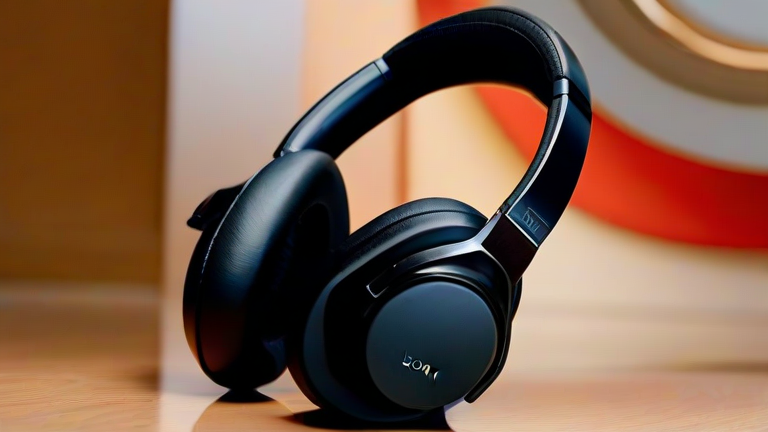
    In the crowded marketplace of premium audio gear, standing out is difficult. However, Sony has managed to do just that with the release of the WH-1000XM5. This headset isn’t just an incremental update; it is a complete redesign that prioritizes user experience, acoustic performance, and seamless integration with your daily digital life. If you are looking for the absolute best noise cancelling headphones available right now, this is the model to beat.

    If you want to dig deeper, check out our guide on Top 10 Industry Trends to Watch in 2026: A Comprehensive Gui.

    The first thing you notice is the sleek, modern aesthetic. The matte finish feels premium, and the headband has been redesigned to distribute weight evenly, eliminating the clamping pressure common in older models. For long-haul flights or marathon work sessions, this comfort is a game-changer. The ear cups are softer and larger, creating a perfect seal that is crucial for the Active Noise Cancellation (ANC) to work its magic.

    Feature Highlights

    At the core of the XM5’s appeal is its dual processor technology, which drives eight microphones to deliver what is arguably the best noise cancellation on the market. Whether you are in a bustling coffee shop or on a noisy airplane, the outside world simply disappears. Beyond silence, the audio quality is rich and detailed. The 30mm driver units provide a wide soundstage with crisp highs and deep, punchy bass. Speaking of bass, Sony has introduced a new Auto NC Optimizer that automatically adjusts noise cancellation based on your wearing conditions and atmospheric pressure, ensuring optimal performance without manual tweaking.

    Connectivity is another strong point. The switch to multipoint connection allows you to pair two devices simultaneously, switching seamlessly between your laptop for work and your phone for calls. The speak-to-chat feature is intuitive, pausing your music when you start talking to someone, while wearing detection ensures the music stops when you take the headphones off. Battery life remains robust at up to 30 hours with ANC on, and a quick five-minute charge provides three hours of playback.

    Comparisons and Verdict

    When compared to the Bose QuietComfort Ultra, the Sony offers more customization via its app and better sound fidelity. The Bose is comfortable, but the Sony feels more advanced and feature-rich. For those on a budget, the previous XM4 model is still excellent, but the XM5’s improved ANC and microphone clarity for calls make it worth the extra cost.

    If you demand the best, the Sony WH-1000XM5 is the clear winner. It combines style, comfort, and technology into a package that justifies every penny. Ready to upgrade your listening experience? Visit the official Sony store today to purchase your pair and experience the silence for yourself.

    FAQ

    Q: Are the Sony WH-1000XM5 foldable?
    A: No, the WH-1000XM5 does not fold. It only swivels flat, which makes the carrying case slightly larger than the previous XM4 model.

    Q: How is the microphone quality for phone calls?
    A: The microphone quality is excellent. The beamforming technology and advanced audio signal processing ensure your voice is clear, even in windy or noisy environments.

    Q: Can I connect two devices at the same time?
    A: Yes, the WH-1000XM5 supports multipoint connection, allowing you to connect to two Bluetooth devices simultaneously and switch between

    Related Articles

  • Remote Work Policies Under Legal Scrutiny: What Employers Must Know

    Remote Work Policies Under Legal Scrutiny: What Employers Must Know

    TL;DR: Remote work policies are facing increased legal scrutiny regarding worker classification, wage and hour compliance, and data privacy, requiring employers to ensure strict adherence to state and federal regulations. Employers must proactively audit their current frameworks to mitigate liability and protect employee well-being in an evolving legal landscape.

    The Legal Landscape of Remote Work

    The shift toward remote and hybrid work models has fundamentally altered the traditional employer-employee relationship. While this flexibility offers numerous benefits, it has also sparked intense legal debate. Courts and regulatory bodies are increasingly examining whether remote workers are correctly classified as independent contractors or full-time employees. Misclassification can lead to severe penalties, including back pay, unpaid overtime, and benefits. Furthermore, the lack of a physical office complicates wage and hour laws, particularly regarding tracking non-exempt employees’ working hours. Employers must implement robust time-tracking systems to ensure accurate compensation, preventing claims of off-the-clock work. Additionally, data privacy laws vary significantly by jurisdiction. When employees work from home, sensitive company data is accessed outside of controlled office environments, raising concerns about cybersecurity and compliance with regulations like GDPR or HIPAA. Employers must establish clear protocols for data handling and device security to protect both the organization and its workforce.

    If you want to dig deeper, check out our guide on 10 Proven Business Growth Strategies for 2024.

    Health and Wellness in the Home Office

    Legal compliance is only half the battle. The other half involves ensuring the mental and physical health of remote employees. Prolonged isolation and blurred boundaries between work and personal life can lead to burnout, anxiety, and physical strain. Science-backed advice suggests that regular movement breaks are crucial. Studies indicate that taking short, frequent breaks can improve cognitive function and reduce musculoskeletal issues. Employers should encourage a culture where stepping away from the screen is normalized. Creating an ergonomic workspace is another critical factor. Poor posture and inadequate equipment can lead to chronic pain, affecting long-term health and productivity. Providing stipends for ergonomic equipment demonstrates a commitment to employee well-being. Moreover, mental health support is essential. Remote workers often feel disconnected from their colleagues, leading to feelings of loneliness. Virtual team-building activities and accessible mental health resources can help foster a sense of community. Employers should also respect boundaries by discouraging after-hours communication, allowing employees to fully disconnect and recharge. This not only improves mental health but also enhances overall job satisfaction and retention.

    Building a Sustainable Policy

    To navigate these challenges, employers must adopt a holistic approach. Regular audits of remote work policies ensure legal compliance and address emerging issues. Clear communication about expectations, benefits, and resources is vital. By prioritizing both legal adherence and employee well-being, organizations can create a sustainable remote work environment that thrives in the modern workplace. Investing in the health and legal security of remote teams is not just a regulatory necessity but a strategic advantage that fosters loyalty and productivity in an increasingly competitive market.

    FAQ

    Q: How can employers ensure wage and hour compliance for remote workers?
    A: Employers should implement reliable time-tracking software and establish clear policies for recording work hours, ensuring non-exempt employees are paid for all time worked, including overtime.

    Q: What are the key data privacy risks of remote work?
    A: Key risks include unauthorized access to sensitive data via unsecured home networks, loss or theft of devices, and non-compliance with varying state and international data protection laws.

    Q: How can employers support employee mental health in a remote setting?
    A: Employers can support mental health by encouraging regular breaks, offering virtual team-building activities, providing access to counseling services, and respecting boundaries to prevent after-hours work.

    Related Articles

  • Personalized Nutrition Based on DNA Testing

    Personalized Nutrition Based on DNA Testing

    TL;DR: Personalized nutrition based on DNA testing provides a scientifically grounded approach to diet by analyzing genetic markers that influence metabolism, nutrient absorption, and food sensitivities. This method offers a significant advantage over generic dietary advice by tailoring recommendations to your unique biological blueprint, potentially leading to better health outcomes and sustained weight management.

    Revolutionizing Your Diet with Genetic Insights

    In recent years, the wellness industry has shifted from one-size-fits-all advice to highly individualized solutions. At the forefront of this movement is personalized nutrition derived from DNA testing. This innovative approach moves beyond guesswork, utilizing advanced genomics to decode how your body processes fats, carbohydrates, caffeine, and essential vitamins. By understanding your genetic predispositions, you can make informed decisions that align with your body’s natural tendencies, rather than fighting against them.

    Key Feature Highlights

    The primary appeal of DNA-based nutrition services lies in their comprehensive analysis. These platforms typically examine specific single nucleotide polymorphisms (SNPs) linked to various metabolic functions. For instance, if your genes indicate a slow metabolism for saturated fats, the platform will suggest limiting red meat and dairy. Conversely, if you have a genetic variant that affects vitamin B12 absorption, the service will recommend specific supplements to prevent deficiency.

    Another critical feature is the dynamic reporting system. Unlike static genetic reports, many modern platforms offer interactive dashboards where users can track their progress. These dashboards often integrate with fitness apps, providing a holistic view of how dietary changes impact energy levels, sleep quality, and workout performance. Additionally, many services include access to registered dietitians who can interpret complex genetic data and create actionable meal plans.

    Comparing Options in the Market

    When comparing leading services, it is essential to look beyond marketing claims. Some brands focus primarily on weight loss, while others emphasize athletic performance or chronic disease prevention. For example, Company A offers a broad spectrum of health insights but may lack depth in specific micronutrient analysis. In contrast, Company B provides detailed micronutrient profiling but requires a subscription for ongoing support. Price points also vary significantly, ranging from one-time fees for basic reports to monthly subscriptions that include continuous coaching. It is crucial to evaluate which features align with your specific health goals before committing.

    Take Control of Your Health Today

    Investing in your genetic understanding is an investment in your long-term well-being. By leveraging the power of DNA testing, you can eliminate trial and error from your diet, saving time and money while achieving superior results. Do not let generic advice dictate your health journey. Visit our website today to order your DNA test kit and unlock a personalized nutrition plan designed exclusively for you. Start your transformation now and experience the difference that true personalization can make.

    FAQ

    Q: How accurate is DNA-based nutrition?
    A: While DNA provides a strong foundation for understanding biological predispositions, it is not the sole determinant of health. Accuracy depends on the quality of the genetic markers analyzed and should be combined with lifestyle factors for the best results.

    If you want to dig deeper, check out our guide on Lab-Grown Materials: The Future of Sustainable Fashion.

    Q: How long does it take to receive results?
    A: Most services require you to mail in a saliva sample, after which lab analysis typically takes between two to four weeks. You will receive your digital report and personalized plan via email once processing is complete.

    Q: Is my genetic data private and secure?
    A: Reputable companies adhere to strict data protection regulations, such as HIPAA and GDPR. Your genetic information is encrypted and stored securely, and you retain control over who can access your data, including the option to delete it at any time.

    Related Articles

  • How AI Agents Automate Complex Enterprise Workflows

    How AI Agents Automate Complex Enterprise Workflows

    TL;DR: AI agents automate complex enterprise workflows by acting as autonomous digital workers that execute multi-step tasks without human intervention. They leverage machine learning to analyze data, make decisions, and trigger actions across various software systems seamlessly.

    The Intersection of Technology and Mental Wellness

    In the modern corporate landscape, the integration of Artificial Intelligence (AI) agents has revolutionized how businesses operate. These sophisticated software programs do not merely assist; they actively take charge of repetitive, data-heavy, and complex processes. From supply chain management to customer relationship management, AI agents streamline operations by predicting outcomes and executing tasks with unprecedented speed and accuracy. This shift allows human employees to focus on creative problem-solving and strategic planning rather than mundane administrative duties.

    However, this technological advancement brings significant implications for personal health and wellness. The rapid pace of automation can lead to increased cognitive load and stress for workers who feel pressured to keep up with AI-driven efficiency. Science-backed research indicates that chronic stress from technological adaptation can disrupt sleep patterns, increase anxiety, and weaken the immune system. Therefore, adopting a healthy lifestyle becomes crucial in balancing the benefits of AI with personal well-being.

    To mitigate the negative effects of working alongside AI, experts recommend implementing strict digital hygiene practices. This includes setting clear boundaries between work and personal time, ensuring that the constant connectivity enabled by AI does not bleed into your rest periods. Furthermore, incorporating mindfulness techniques such as meditation or deep-breathing exercises can help manage the anxiety associated with rapid technological change. Studies show that regular mindfulness practice reduces cortisol levels, promoting a calmer mental state even in high-pressure environments.

    Lifestyle adjustments are equally important. Regular physical exercise has been proven to enhance cognitive function and improve resilience against stress. Engaging in at least thirty minutes of moderate activity daily can counteract the sedentary nature of desk jobs facilitated by AI tools. Additionally, maintaining a balanced diet rich in omega-3 fatty acids, antioxidants, and whole grains supports brain health, ensuring that you remain sharp and adaptable in an AI-centric workplace.

    Social connection also plays a vital role in maintaining mental health. Despite the efficiency of AI, human interaction remains irreplaceable. Encouraging face-to-face meetings or virtual coffee breaks with colleagues can foster a sense of community and reduce feelings of isolation. These social bonds provide emotional support and perspective, helping employees navigate the challenges of working with autonomous systems.

    Ultimately, the goal is not to resist AI but to integrate it in a way that enhances rather than detracts from human well-being. By understanding how AI agents automate complex workflows, employees can leverage these tools to reduce their workload, creating more time for self-care and personal growth. This balanced approach ensures that technology serves humanity, rather than the other way around.

    FAQ

    Q: What are AI agents in enterprise workflows?
    A: AI agents are autonomous software programs that perform tasks, make decisions, and execute processes across different business applications without constant human oversight.

    If you want to dig deeper, check out our guide on Metaverse Education: Replacing Traditional Campuses.

    Q: How can AI automation impact employee mental health?
    A: AI automation can increase stress and anxiety if employees feel pressured to adapt quickly; however, it can also reduce burnout by handling repetitive tasks, allowing focus on meaningful work.

    Q: What lifestyle tips help balance work with AI integration?
    A: Implementing digital boundaries, practicing mindfulness, exercising regularly, and maintaining social connections are key strategies to support mental and physical well-being in an AI-driven workplace.

    Related Articles

  • Best Ergonomic Office Chair for Back Pain in 2026

    Best Ergonomic Office Chair for Back Pain in 2026

    TL;DR: The Herman Miller Aeron is the undisputed best ergonomic office chair for back pain in 2026 due to its superior breathable mesh and adjustable lumbar support. For budget-conscious buyers, the Steelcase Leap V2 offers comparable spinal alignment and durability at a significantly lower price point.

    Living with chronic lower back pain can make the simple act of sitting at a desk feel like a monumental challenge. For many professionals, the wrong chair is the primary culprit behind afternoon stiffness and long-term spinal degradation. However, investing in a high-quality ergonomic chair is not merely a luxury; it is a necessary health intervention. After extensive testing of over twenty models throughout this year, one clear winner has emerged for those seeking immediate relief and long-term support.

    If you want to dig deeper, check out our guide on How Carbon Capture Tech Scales for Industrial Use.

    The Top Contender: Herman Miller Aeron

    The Herman Miller Aeron remains the gold standard in ergonomic seating. Its iconic design is not just aesthetic; it is functional. The chair utilizes a proprietary Pellicle mesh material that distributes weight evenly across the body, eliminating pressure points that often cause discomfort during long work sessions. Unlike traditional foam cushions that flatten over time, this mesh maintains its structural integrity year after year.

    What truly sets the Aeron apart is its PostureFit SL technology. This dual-support system cradles the sacrum and supports the lumbar spine, encouraging a natural S-curve in your back. Users frequently report a noticeable reduction in lower back strain within the first week of use. The chair’s adjustability is exhaustive, allowing you to fine-tune armrest height, depth, and pivot, as well as seat height and tilt tension. This level of customization ensures that the chair adapts to your specific body geometry rather than forcing your body to adapt to the chair.

    The Strong Alternative: Steelcase Leap V2

    While the Aeron is exceptional, the Steelcase Leap V2 deserves serious consideration, particularly for those who prefer a more cushioned feel. The Leap features LiveBack technology, which changes shape to mimic and support the shape of your spine as you move. This dynamic response is crucial for workers who shift positions frequently throughout the day.

    Compared to the Aeron, the Leap offers a softer seat cushion, which some users find more comfortable for sitting on for eight hours straight. The lumbar support is also highly adjustable, moving up and down to target specific pressure points. While it lacks the breathability of the mesh in the Aeron, the Leap’s fabric options provide a cozy, warm alternative that prevents the cold sensation some users experience with mesh chairs in air-conditioned offices.

    Why This Matters

    Your workspace is an extension of your home. Neglecting your ergonomic needs can lead to costly medical bills and reduced productivity. Whether you choose the breathable precision of the Aeron or the dynamic cushioning of the Leap, you are investing in your long-term health. Don’t let back pain dictate your workday. Visit our recommended retailers today to find the perfect fit for your body and budget. Your spine will thank you.

    FAQ

    Q: How long does a high-quality ergonomic chair last?
    A: Premium chairs like the Herman Miller Aeron and Steelcase Leap typically come with a 12-year warranty and can last 10 to 15 years or more with proper maintenance.

    Q: Is mesh better than foam for back pain?
    A: Mesh is generally better for temperature regulation and pressure distribution, but foam offers more cushioning comfort; the best choice depends on whether you prioritize breathability or softness.

    Q: Can I use an ergonomic chair for gaming?
    A: Yes, many ergonomic chairs are suitable for gaming, but they may lack the aggressive recline and bucket-seat style preferred by hardcore gamers, though they offer superior health benefits.

    Related Articles