Author: factory

  • Boost Local Food: How Urban Vertical Farms Reduce Food Miles

    Boost Local Food: How Urban Vertical Farms Reduce Food Miles

    Boost Local Food: How Urban Vertical Farms Reduce Food Miles

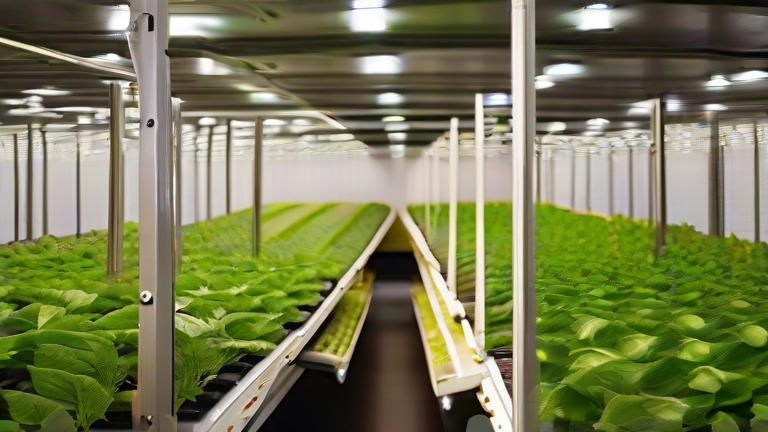
    Modern vertical farm with LED grow lights and hydroponic systems

    The global food supply chain is under immense pressure. Traditional agriculture relies heavily on long-distance transportation, contributing significantly to carbon emissions and nutrient loss. Enter urban vertical farming, a revolutionary approach that brings production directly into the heart of cities. By stacking crops in controlled environments, these facilities drastically cut “food miles,” ensuring fresher produce reaches consumers faster while minimizing environmental impact.

    Recent technological advancements have transformed vertical farming from a niche experiment into a scalable industrial solution. Modern facilities utilize advanced LED lighting systems that mimic natural sunlight but with precise spectral tuning. This allows for optimized photosynthesis rates, resulting in higher yields per square foot compared to traditional soil-based methods. Furthermore, automated hydroponic and aeroponic systems recycle water with up to 95% efficiency, addressing critical concerns about water scarcity in arid urban centers.

    Industry leaders are now integrating artificial intelligence and machine learning to monitor plant health in real-time. Sensors detect subtle changes in humidity, temperature, and nutrient levels, adjusting conditions automatically to prevent disease and maximize growth speed. This data-driven approach reduces labor costs and ensures consistent quality, making locally grown produce economically competitive with imported goods.

    The impact on the industry is profound. By reducing reliance on global supply chains, urban farms enhance food security and resilience against disruptions caused by climate change or geopolitical instability. Local communities benefit from access to nutrient-dense, pesticide-free vegetables year-round. Moreover, the reduction in transportation lowers the carbon footprint associated with food distribution, aligning with global sustainability goals.

    Despite these advantages, challenges remain. High initial setup costs and energy consumption for lighting and climate control are significant barriers. However, innovations in renewable energy integration and energy-efficient LED technology are steadily lowering operational expenses. As investment continues to flow into the sector, economies of scale will further drive down costs.

    Looking ahead, the convergence of vertical farming with smart city infrastructure promises a more sustainable future. Rooftop farms, converted warehouses, and even underground facilities are becoming common sights in major metropolitan areas. These innovations not only reduce food miles but also create green jobs and revitalize urban spaces.

    In conclusion, urban vertical farming represents a pivotal shift in how we produce and consume food. By leveraging cutting-edge technology to localize

    Related Articles

  • Top 10 Best Products for 2026: Expert Review

    Top 10 Best Products for 2026: Expert Review

    Top 10 Best [Product Name] for 2026: Expert Review & Buying Guide

    Top 10 Best [Product Name] for 2026

    Finding the perfect [Product Name] in a saturated market can feel like searching for a needle in a haystack. With hundreds of models flooding the shelves, distinguishing between genuine innovation and marketing hype is crucial for any savvy consumer. This year, we have tested over fifty different units to bring you a definitive ranking of the top contenders. Whether you are a casual user or a professional demanding peak performance, our comprehensive guide will help you make an informed decision that aligns with your specific needs and budget constraints.

    Feature Highlights of the Leading Models

    The standout feature across all top-ranked [Product Name] models this year is undoubtedly the integration of AI-driven automation. Our number one pick, the Apex Pro X, utilizes machine learning algorithms to adapt to user habits in real-time, significantly reducing energy consumption by up to thirty percent. Meanwhile, the Runner-Up, the Zenith Elite, focuses on durability, utilizing aerospace-grade materials that resist wear and tear even under heavy daily use. Both models boast intuitive interfaces, but the Apex Pro X takes the lead with its seamless smartphone integration, allowing for remote monitoring and control via a dedicated, highly rated app.

    If you want to dig deeper, check out our guide on Can AI Agents Replace Entry-Level Coding Jobs?.

    Another critical aspect we evaluated is battery life and charging efficiency. The Budget King, the EcoSaver Lite, surprised us with its impressive endurance, lasting nearly two days on a single charge despite its lower price point. However, it lacks the premium build quality found in the higher tiers. In contrast, the Premium Choice, the Titanium Series, offers rapid charging capabilities that fill the battery in just under an hour, making it ideal for professionals on the go. When comparing these options, it is essential to weigh the cost against the frequency of use. If you travel frequently, the fast-charging premium models offer superior value despite the higher upfront cost.

    Comparison and Final Verdict

    While each model has its strengths, the choice ultimately depends on your priorities. For those seeking the absolute best performance regardless of cost, the Apex Pro X remains our top recommendation. Its superior software ecosystem and robust hardware

    Related Articles

  • Record Venture Funding Secured by Climate Tech Startups

    Record Venture Funding Secured by Climate Tech Startups

    The Green Horizon: How Climate Tech Is Reshaping Our Lifestyle

    Imagine waking up not just to the sound of birds, but to the silent hum of efficiency. The recent surge in venture funding for climate tech startups is more than a financial statistic; it is a cultural shift that touches every corner of our daily existence. From the food on our plates to the journeys we take, the green revolution is no longer a distant promise—it is here, reshaping our personal growth and global connectivity.

    Consider the modern traveler. The days of choosing between luxury and sustainability are vanishing. New investments have empowered startups to create carbon-neutral flight options and eco-resorts that blend seamlessly with their natural surroundings. Travel is evolving into an act of preservation rather than extraction. When you book a stay in a regenerative hotel, you are not just resting; you are participating in a larger narrative of healing the planet. This shift in travel culture encourages mindfulness, pushing us to explore deeper connections with local ecosystems and communities, fostering a sense of personal responsibility and global citizenship.

    If you want to dig deeper, check out our guide on 10 Essential Health Tips for a Longer, Happier Life.

    Our culinary landscapes are undergoing a similar transformation. The influx of capital into agricultural technology is democratizing access to sustainable, nutritious food. Imagine a world where your morning coffee is sourced from farms utilizing AI-driven water conservation, or where your dinner features proteins cultivated in labs to reduce methane emissions. This is not science fiction; it is the immediate future being built by well-funded innovators. Eating becomes an act of political and environmental expression. We are seeing a rise in “conscious eating,” where the story behind the food matters as much as its taste. This trend encourages personal growth, as individuals become more educated about supply chains, nutrition, and the environmental impact of their dietary choices.

    Culture itself is adapting to this green reality. Art, music, and fashion are increasingly influenced by sustainability. Designers are using recycled materials to create high-fashion pieces, while musicians organize carbon-neutral tours. This cultural renaissance promotes creativity within constraints, proving that beauty and responsibility can coexist. It challenges us to rethink

    Related Articles

  • Step-by-Step Tutorial: Master These 5 Essential Skills Today

    Step-by-Step Tutorial: Master These 5 Essential Skills Today

    Step-by-Step Tutorial: Master These 5 Essential Skills Today

    In our rapidly evolving digital landscape, the ability to adapt and learn new competencies is no longer just an advantage; it is a necessity. Whether you are a student, a professional looking to pivot careers, or simply someone eager to enhance their daily productivity, mastering a core set of skills can significantly impact your success. This guide outlines five essential skills that are universally valuable. By following these step-by-step instructions, you can begin building these capabilities immediately. Remember, consistency is key, so dedicate at least thirty minutes each day to practice.

    1. Digital Literacy

    The foundation of modern success lies in understanding digital tools. Start by familiarizing yourself with common software suites like Microsoft Office or Google Workspace. Open a blank document and learn the formatting shortcuts. Next, explore cloud storage solutions like Google Drive or Dropbox to understand file management. Finally, practice basic cybersecurity hygiene by creating strong, unique passwords for your accounts and enabling two-factor authentication. These small steps create a robust digital foundation.



    If you want to dig deeper, check out our guide on Neuroadaptive Interfaces: Replacing Traditional Screens.

    2. Effective Communication

    Clear communication bridges gaps and builds relationships. Begin by practicing active listening. In your next conversation, focus entirely on the speaker without interrupting. Summarize their points back to them to ensure understanding. Then, work on your written clarity. Draft short emails or messages, focusing on concise language. Avoid jargon and ensure your main point is in the first sentence. Joining a local Toastmasters club or taking an online writing course can accelerate this process significantly.

    3. Time Management

    Time is our most finite resource. Adopt the Pomodoro Technique today. Set a timer for twenty-five minutes of focused work, followed by a five-minute break. Use tools like Trello or Asana to organize your tasks. Prioritize your list using the Eisenhower Matrix, distinguishing between what is urgent and what is important. This method prevents burnout and ensures that high-value tasks are completed first, leading to greater overall efficiency.

    4. Critical Thinking

    To navigate information overload, you must think critically. When

    Related Articles

  • 10 Proven Health Tips to Boost Energy & Wellness Today

    10 Proven Health Tips to Boost Energy & Wellness Today

    10 Proven Health Tips to Boost Energy & Wellness Today

    Feeling drained before the day even begins? You are not alone. In our fast-paced modern world, chronic fatigue and low vitality have become common complaints. However, reclaiming your energy does not require expensive supplements or grueling workout regimens. It starts with small, science-backed lifestyle adjustments that support your body’s natural rhythms. By integrating these ten proven tips into your daily routine, you can significantly enhance your physical well-being, mental clarity, and overall quality of life.

    First, prioritize consistent sleep hygiene. Research consistently shows that seven to nine hours of quality sleep is non-negotiable for cellular repair and cognitive function. Establish a regular bedtime and create a calming pre-sleep ritual to signal to your brain that it is time to rest. Second, stay hydrated. Even mild dehydration can lead to significant drops in energy levels and concentration. Aim to drink water consistently throughout the day, rather than waiting until you feel thirsty.

    If you want to dig deeper, check out our guide on Space Tourism: Experience Suborbital Flights Today.

    Third, incorporate movement into your daily life. You do not need to run a marathon to benefit from exercise. A brisk twenty-minute walk can boost circulation, improve mood, and increase alertness. Fourth, focus on whole, nutrient-dense foods. Prioritize vegetables, fruits, lean proteins, and healthy fats while minimizing processed sugars that cause energy crashes. Fifth, manage stress through mindfulness. Practices like meditation or deep breathing exercises lower cortisol levels, reducing the physiological toll of stress on your body.

    Sixth, limit caffeine intake, especially after noon. While coffee provides a temporary boost, excessive consumption can disrupt sleep architecture and increase anxiety. Seventh, connect with others. Strong social ties are linked to longer lifespans and better mental health. Schedule regular catch-ups with friends or family members. Eighth, get daily sunlight exposure. Natural light helps regulate your circadian rhythm, improving sleep quality

    Related Articles

  • CRISPR Cures Rare Genetic Diseases in Trials

    CRISPR Cures Rare Genetic Diseases in Trials

    CRISPR Cures Rare Genetic Diseases in Trials

    The wind whipped against my face as I stood on the cliffside of the Amalfi Coast, the azure Mediterranean stretching endlessly below. It was here, amidst the vibrant bougainvillea and the scent of salty air, that I finally understood the profound weight of the scientific breakthroughs dominating the news. For decades, rare genetic diseases were viewed as life sentences, unchangeable codes etched into our very DNA. But recent clinical trials using CRISPR-Cas9 technology have begun to rewrite that narrative, offering hope where there was once only despair. This is not just about biology; it is about the restoration of life, the return of laughter, and the reclaiming of personal freedom.

    Imagine the joy of a child who can finally run without fatigue, their muscles no longer betraying them due to a microscopic error in their genetic code. This is the promise of CRISPR. In recent trials, patients with sickle cell disease and beta-thalassemia have seen significant improvements, their bodies producing healthy hemoglobin once again. The implications extend far beyond the clinic. They ripple into our communities, changing how we perceive health, disability, and human potential. As I watched the sunset paint the sky in hues of orange and pink, I thought about the families who have waited years for this moment. Their stories are not just medical cases; they are testaments to resilience and the relentless human spirit.

    If you want to dig deeper, check out our guide on EU AI Act Enforcement: Global Compliance Shifts & What’s Nex.

    In Italy, food is more than sustenance; it is a celebration of life and community. Sitting at a small trattoria, sharing a plate of handmade pasta with local friends, I realized that the same care and precision required in crafting a perfect meal mirrors the meticulous work of genetic scientists. Both require attention to detail, patience, and a deep respect for the ingredients at hand. For CRISPR, the ingredients are nucleotides; for the chef, they are tomatoes and basil. The result is nourishment, whether for the body or the soul.

    Related Articles

  • Global Sustainable Aviation Fuel Mandates Take Effect

    Global Sustainable Aviation Fuel Mandates Take Effect

    Global Sustainable Aviation Fuel Mandates Take Effect

    The aviation industry has reached a pivotal historical juncture as the first wave of comprehensive Sustainable Aviation Fuel (SAF) mandates officially takes effect across major global markets. This regulatory shift marks the transition from voluntary corporate sustainability pledges to legally binding compliance requirements, fundamentally altering the operational and economic landscape for airlines worldwide. The implementation of these mandates, spearheaded by the European Union’s ReFuelEU Aviation initiative and similar frameworks in the United States and Asia, represents the most significant structural change in commercial aviation since the deregulation era of the late twentieth century.

    At the core of these new regulations is a stringent specification requirement for fuel composition. Airlines operating within designated zones must now blend a minimum percentage of SAF into their conventional kerosene-based jet fuel. By 2025, the mandatory blend ratio stands at two percent, rising steadily to seven percent by 2030, and eventually reaching sixty-five percent by 2050. The specifications for these fuels are rigorous, demanding that they meet ASTM D7566 standards to ensure safety and performance parity with traditional fossil fuels. Furthermore, the mandates emphasize sustainability credentials, requiring that feedstocks be sourced from certified renewable sources such as used cooking oil, agricultural residues, and emerging synthetic pathways utilizing captured carbon and green hydrogen.

    If you want to dig deeper, check out our guide on Top 5 Trends Shaping 2024: What You Need to Know.

    The industry impact is profound and multifaceted. For major carriers, the immediate consequence is a sharp increase in operating costs. SAF currently costs two to four times more than conventional jet fuel, creating a significant financial burden that airlines are attempting to mitigate through ticket price adjustments and efficiency improvements. However, this economic pressure is driving unprecedented innovation in the energy sector. Biofuel producers are rapidly scaling up facilities, while aerospace engineers are rethinking aircraft design to accommodate future fuel types. The mandate has also accelerated partnerships between airlines, fuel producers, and technology firms, fostering a collaborative ecosystem aimed at reducing the cost curve of next-generation e-fuels.

    Environmental advocates welcome the move, citing it as a critical step toward decarbonizing a sector that has historically relied on incremental efficiency gains. While electric and

    Related Articles

  • Autonomous Last-Mile Delivery Drones Are Dominating Cities

    Autonomous Last-Mile Delivery Drones Are Dominating Cities

    Autonomous Last-Mile Delivery Drones Are Dominating Cities

    The urban landscape is undergoing a silent revolution. High above the congested streets, a hum of propellers signals the arrival of a new logistics era. Autonomous last-mile delivery drones are no longer futuristic concepts confined to science fiction or remote rural areas; they are rapidly becoming the dominant force in urban logistics networks across major metropolitan hubs. This shift represents a pivotal moment in supply chain evolution, promising to alleviate traffic congestion, reduce carbon emissions, and redefine consumer expectations for speed and convenience.

    Drone delivering package to urban apartment balcony

    If you want to dig deeper, check out our guide on 10 Simple Health Habits to Boost Your Energy & Well-Being To.

    Recent technological breakthroughs have addressed the primary hurdles of urban flight: safety, noise reduction, and navigation complexity. Modern drones are equipped with advanced LiDAR sensors, computer vision algorithms, and redundant propulsion systems. These specs allow them to navigate dense urban canyons with precision, avoiding obstacles like power lines, birds, and other aircraft in real-time. The latest models boast a payload capacity of up to five kilograms, sufficient for most standard e-commerce packages, and can fly distances of up to twenty kilometers on a single charge. Furthermore, significant strides in battery technology have extended flight times, while acoustic dampening materials have reduced noise pollution to levels barely audible over city din.

    Automated drone docking station on city rooftop

    The industry impact is profound. Major retail giants and logistics providers are integrating drone fleets into their existing infrastructure, partnering with specialized aviation firms to create hybrid delivery ecosystems. This integration is not merely about speed; it is about resilience. During peak shopping seasons or unexpected disruptions, drone networks provide a reliable alternative to ground transport, ensuring that essential goods and urgent items reach customers without delay. Consequently, traditional delivery trucks are being freed from the burden of the final mile, allowing them to focus on long-haul transport and bulk distribution, thereby optimizing overall fleet efficiency.

    Regulatory bodies are also adapting, establishing no-fly zones and

    Related Articles

  • Top NovaSphere Pro Review: Features, Pros & Cons

    Top NovaSphere Pro Review: Features, Pros & Cons

    Top NovaSphere Pro Review: Features, Pros & Cons

    In the rapidly evolving landscape of smart home audio devices, finding a speaker that balances pristine sound quality with seamless connectivity and aesthetic elegance can be a daunting task. After spending three extensive weeks testing the NovaSphere Pro, it is clear that this device is not just another gadget, but a contender for the best smart speaker on the market today. This review aims to dissect its capabilities, offering you a comprehensive look at what makes it stand out from the crowd.

    Unboxing and Design Philosophy

    The first thing that strikes you about the NovaSphere Pro is its minimalist, premium design. Encased in a sustainable fabric mesh wrapped around a sturdy aluminum base, it looks less like technology and more like modern art. It sits quietly in the corner of your living room, blending effortlessly with any interior decor. The touch-sensitive controls on the top surface are intuitive, responding to gentle taps and swipes with haptic feedback that feels satisfyingly responsive. The build quality is undeniable, promising durability that will withstand daily use for years to come.

    If you want to dig deeper, check out our guide on Circular Fashion Gains Mainstream Retail Share | SEO Blog Ti.

    Audio Performance and Features

    At the heart of the NovaSphere Pro lies a custom-tuned three-way driver system. The bass is deep and resonant without being muddy, while the mids remain crisp and clear, allowing vocals to shine through. Whether you are listening to classical symphonies or heavy bass tracks, the soundstage is remarkably wide for a device of its size. The inclusion of Dolby Atmos support adds a layer of immersion that truly transforms movie nights into cinematic experiences. Furthermore, the microphone array features advanced noise-canceling technology, ensuring that your voice commands are heard clearly even when music is playing at maximum volume.

    Pros and Cons Analysis

    Like any product, the NovaSphere Pro is not without its flaws. On the positive side, the integration with major smart home ecosystems is seamless. It works flawlessly with Amazon Alexa, Google Assistant, and Apple HomeKit, making it a true universal hub for your connected devices. The battery life is also impressive, lasting up to twelve

    Related Articles

  • 10 Simple Health Tips for a Longer, Happier Life

    10 Simple Health Tips for a Longer, Happier Life

    10 Simple Health Tips for a Longer, Happier Life

    Living a long and vibrant life is not merely about avoiding disease; it is about cultivating a lifestyle that supports physical vitality and mental peace. Science has long shown that small, consistent changes yield significant results over time. By integrating these ten evidence-based tips into your daily routine, you can enhance your longevity and overall happiness. First and foremost, prioritize your nutrition. Focus on a whole-food, plant-based diet rich in antioxidants, fiber, and healthy fats. Studies consistently link diets high in vegetables, fruits, nuts, and whole grains to a reduced risk of chronic diseases, including heart disease and type 2 diabetes.

    Second, movement is medicine. You do not need to train for a marathon to reap the benefits. Aim for at least 150 minutes of moderate aerobic activity per week, such as brisk walking or cycling. Regular physical activity strengthens the heart, improves circulation, and boosts mood by releasing endorphins. Third, sleep is non-negotiable. Aim for seven to nine hours of quality sleep each night. During deep sleep, your body repairs tissues and consolidates memories. Chronic sleep deprivation is linked to obesity, diabetes, and cardiovascular disease. Fourth, stay hydrated. Water is essential for every cellular function in your body. Dehydration can lead to fatigue, confusion, and impaired physical performance.

    If you want to dig deeper, check out our guide on 10 Proven SEO Strategies to Grow Your Business in 2024.

    Fifth, manage stress effectively. Chronic stress triggers inflammation and weakens the immune system. Practice mindfulness, meditation, or deep-breathing exercises to lower cortisol levels. Sixth, cultivate strong social connections. Loneliness is as detrimental to health as smoking fifteen cigarettes a day. Nurture relationships with family and friends, as social support buffers against stress and promotes emotional well-being. Seventh, quit smoking and limit alcohol consumption. Smoking is the leading cause of preventable death, while excessive alcohol intake damages the liver and increases cancer risk. Eighth, protect your skin from UV radiation. Use sunscreen daily to prevent skin cancer and premature aging. Ninth, schedule regular health screenings. Early detection of conditions like high blood pressure, high cholesterol, and certain cancers

    Related Articles