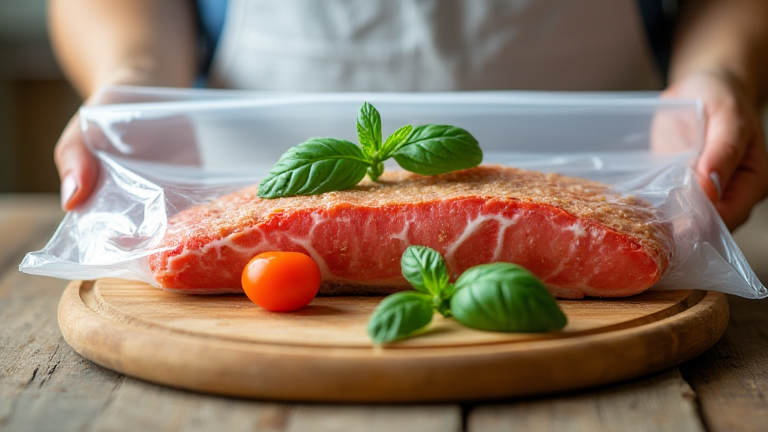
TL;DR: Vacuum sealing extends food freshness by removing oxygen, which inhibits bacterial growth and prevents freezer burn. This technology is driving a multi-billion dollar market growth as consumers seek efficient, waste-reducing preservation methods.
The Oxygen-Free Revolution
In the modern culinary landscape, the simple act of storing food has evolved into a sophisticated science. Vacuum sealing technology has moved from a niche tool for serious preppers to a staple in household kitchens and commercial food service operations alike. By extracting air from packaging, this method creates an anaerobic environment that significantly slows down the oxidation processes responsible for spoilage. The core mechanism is straightforward yet powerful: without oxygen, aerobic bacteria cannot thrive, and the enzymatic reactions that degrade texture and flavor are drastically reduced. This results in food that retains its nutritional profile, taste, and structural integrity for periods far exceeding those achieved through traditional storage methods.
If you want to dig deeper, check out our guide on 7 Proven Health Hacks to Boost Your Energy & Longevity Today.
Market Dynamics and Consumer Shifts
The global vacuum packaging machine market is experiencing robust expansion. Recent industry reports indicate that the sector is projected to grow at a compound annual growth rate (CAGR) of approximately 5.2% through 2030. This surge is fueled by several converging factors. Firstly, the rising cost of living has prompted consumers to adopt strategies that minimize waste. By extending the shelf life of meat, vegetables, and dairy products, vacuum sealing allows households to purchase in bulk and consume over longer periods, thereby reducing the frequency of grocery trips and the amount of food discarded. Secondly, the growing popularity of meal prepping has created a sustained demand for high-quality sealing solutions. Consumers are no longer satisfied with generic plastic wrap; they are investing in dedicated vacuum sealers, chamber vacuators, and specialized roll bags that offer superior seals and durability.
Expert Perspectives on Efficiency
Food science experts emphasize that the benefits of vacuum sealing extend beyond mere shelf-life extension. Dr. Elena Ross, a leading food safety researcher, notes that “the primary advantage is the preservation of quality. While freezing already halts bacterial growth, the ice crystals formed during conventional freezing can damage cell structures, leading to a mushy texture upon thawing. Vacuum sealing, often combined with rapid freezing, minimizes this cellular damage, preserving the natural texture of proteins and produce.” Furthermore, industry analysts point out that commercial kitchens are adopting these technologies to meet strict regulatory standards regarding food safety and traceability. The ability to date-stamp packages and maintain a consistent environment reduces liability and ensures that products remain safe for consumption until the point of sale.
Future Predictions and Technological Horizons
Looking ahead, the vacuum sealing industry is poised for innovation driven by sustainability and smart technology. Manufacturers are increasingly focusing on eco-friendly materials, developing biodegradable and compostable vacuum bags to address the environmental impact of single-use plastics. This shift is expected to capture a larger segment of the environmentally conscious consumer base. Additionally, the integration of IoT (Internet of Things) technology into home appliances is on the horizon. Smart vacuum sealers may soon feature app connectivity, allowing users to track the freshness of their stored items, receive alerts before expiration, and even adjust sealing pressure based on the specific food type. As these technologies mature, vacuum sealing is likely to become a standard feature in high-end refrigeration systems, further blurring the line between active preservation and passive storage.
FAQ
Q: Does vacuum sealing work for all types of food?
A: While highly effective for meats, cheeses, and dry goods, some foods like soft berries or high-moisture items may require pre-treatment or specific bag types to prevent crushing or seal failure.
Q: How much longer can vacuum-sealed food last compared to regular storage?
A: Generally, vacuum sealing can extend the shelf life of fresh meats by two to three times that of regular freezing, and significantly longer for dry goods like coffee and grains.
Q: Is vacuum sealing more expensive than other preservation methods?
A: While the initial cost of a machine is higher, the long-term savings from reduced food waste and bulk purchasing often outweigh
Leave a Reply