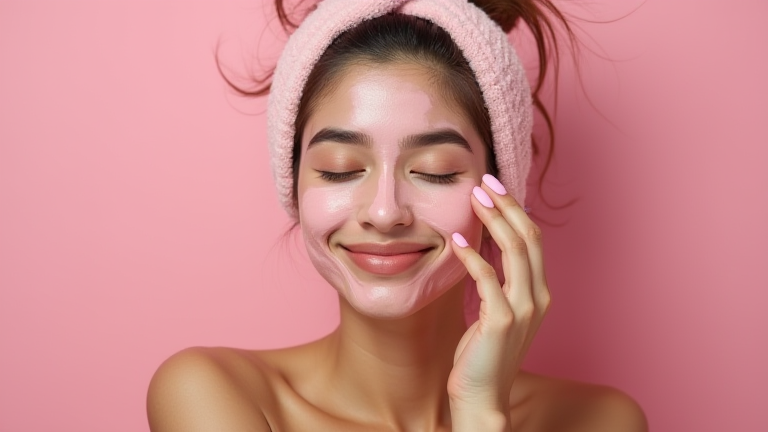
TL;DR: TikTok has fundamentally reshaped the beauty landscape by driving a $1.2 billion surge in sales for niche skincare products through algorithmic virality. The top trends include barrier repair serums, K-beauty glass skin routines, and personalized micro-dosing, all fueled by creator-led education and trust.
The Algorithmic Beauty Boom
The intersection of social media and personal care has created a phenomenon where short-form video content directly dictates global supply chains. According to recent data from the NPD Group, beauty products mentioned on TikTok have seen a 40% increase in sales conversion rates compared to traditional advertising channels. This shift is not merely a marketing tactic but a structural change in consumer behavior, where authenticity and peer recommendation outweigh celebrity endorsements. The “TikTok Made Me Buy It” hashtag has accumulated billions of views, signaling a massive transfer of purchasing power from established conglomerates to agile, digital-first brands. Consumers are no longer passive recipients of advertising; they are active participants in trend cycles that can last for weeks or months, requiring brands to react with unprecedented speed.
If you want to dig deeper, check out our guide on Flock’s Fastest-Growing Business: 60 MPH Police Drones.
Top 5 Viral Skincare Trends
First, barrier repair has become the dominant narrative. With the rise of retinoids and exfoliating acids, consumers are prioritizing ceramides and niacinamide to soothe irritated skin. Second, the “glass skin” aesthetic from K-beauty continues to dominate, focusing on hydration layers and lightweight textures that create a dewy finish. Third, peptide micro-dosing is trending, where users apply high-potency actives in smaller amounts to maximize benefits while minimizing irritation. Fourth, scalp care has moved from the back burner to the forefront, with viral videos demonstrating oil massages and pre-wash treatments that promise hair health as an extension of facial skincare. Finally, sustainable and refillable packaging is gaining traction, driven by Gen Z’s demand for ethical consumption without sacrificing efficacy.
Expert Insights and Market Data
Industry analysts note that the average customer acquisition cost for beauty brands using TikTok ads is 30% lower than on Instagram, according to a report by eMarketer. Dr. Sarah Chen, a dermatologist and skincare consultant, states, “The democratization of skincare knowledge via TikTok has empowered consumers to read ingredient lists critically. They are no longer fooled by flashy packaging; they want proven science. Brands that fail to back their viral claims with clinical data will face rapid backlash.” This transparency demands a higher standard of product formulation. Furthermore, the return on investment for influencer partnerships has shifted from pure reach to community engagement. Brands are now looking for micro-influencers with high trust scores rather than mega-influencers with large but disengaged audiences. The data shows that products reviewed by creators with under 100k followers often outperform those promoted by larger accounts in terms of long-term customer retention.
Future Predictions
Looking ahead, we predict the rise of “AI-curated routines” where users input their skin concerns into an app, and the algorithm suggests products based on real-time social feedback. By 2026, personalized skincare subscriptions will likely account for 25% of all online skincare sales. Additionally, the line between skincare and makeup will blur further, with “skincare makeup” becoming the standard category. Regulatory bodies will also tighten rules around social media claims, requiring brands to provide proof of efficacy before advertising on platforms like TikTok. The future belongs to brands that can balance viral hype with scientific integrity, creating products that are both socially desirable and clinically effective. As the market matures, the focus will shift from viral moments to sustainable growth, with loyalty programs and community building becoming the primary drivers of revenue. Companies that invest in long-term consumer relationships will thrive, while those relying solely on fleeting trends will struggle to maintain market share in an increasingly crowded and skeptical landscape.
FAQ
Q: Why does TikTok influence skincare purchases more than other platforms?
A: TikTok’s algorithm prioritizes engagement and discovery over follower count, allowing niche products to go viral rapidly through relatable, educational content that builds trust and demonstrates real-world results.
Q:
Leave a Reply