Bled to Fusine: The Ultimate Slovenia Lake Road Trip Itinerary
TL;DR: This itinerary combines the iconic beauty of Lake Bled with the alpine serenity of Lake Fusine for a two-day rejuvenating escape. It prioritizes low-impact hiking, mindful eating, and strategic rest stops to maximize mental clarity and physical well-being.
Day 1: The Iconic Arrival and Mindful Movement
Your journey begins in the morning when cortisol levels naturally rise, making it an ideal time for gentle physical activity. Start with a sunrise walk around Lake Bled. Research indicates that early morning exposure to natural light helps regulate your circadian rhythm, improving sleep quality later in the day. As you circle the lake, practice mindful breathing. Inhale through your nose for four seconds, hold for four, and exhale through your mouth for eight. This technique activates the parasympathetic nervous system, reducing stress hormones and preparing your body for the day’s adventures. Avoid rushing to see every landmark; instead, choose one vantage point to sit and observe the water, allowing your mind to enter a state of flow. This deliberate pause is crucial for mental decompression after a long drive.
If you want to dig deeper, check out our guide on 10 Lifestyle Hacks for a Happier, Healthier You.
For lunch, head to a local farm-to-table restaurant near the lake. Prioritize meals rich in omega-3 fatty acids, such as grilled trout, which support brain health and reduce inflammation. Pair this with fresh, seasonal vegetables to ensure you are getting adequate fiber, which feeds your gut microbiome. A healthy gut is directly linked to better mood and immune function. After lunch, take a short, non-exercise activity rest. This could be a twenty-minute nap or simply sitting in a quiet garden. Micro-breaks are essential for preventing cognitive fatigue, allowing your brain to consolidate information and rest.
Day 2: Alpine Heights and Digital Detox
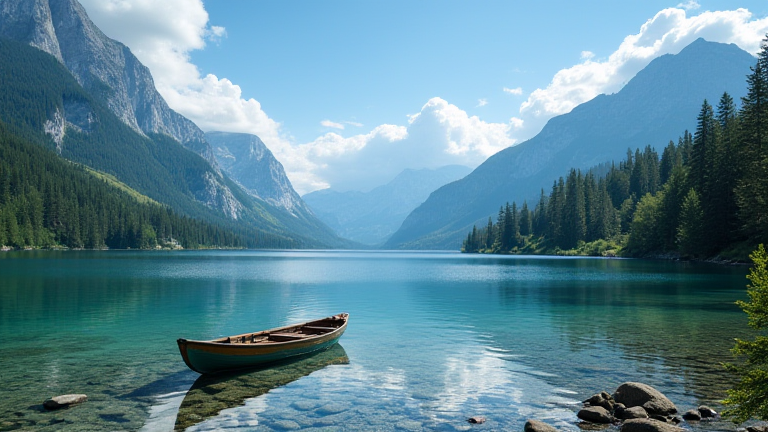
On the second day, drive to Lake Fusine, a stunning alpine lake surrounded by dense forests. The drive itself is a wellness activity; the winding roads and changing scenery engage the prefrontal cortex, providing a cognitive workout that keeps the mind sharp. Upon arrival, leave your smartphone in the car. Digital detoxing is vital for reducing anxiety and improving attention span. Without the constant ping of notifications, your brain can fully engage with the present moment. Start with a moderate hike along the marked trails. Aim for a pace that keeps your heart rate in the Zone 2 range, which is optimal for cardiovascular health and fat burning without excessive stress on the body. Listen to your body’s signals; if you feel fatigued, slow down. Overtraining can lead to burnout, so respect your physical limits.
Lunch should be light and energizing. A salad with lean protein and healthy fats provides sustained energy without causing a post-meal slump. After lunch, engage in a restorative activity such as journaling or sketching the landscape. Expressive writing has been shown to lower blood pressure and improve immune system function. It allows you to process emotions and reflect on your journey, creating a sense of closure and satisfaction. As the sun begins to set, take a moment to appreciate the silence of the alpine environment. The lack of urban noise reduces auditory stress, allowing for deeper relaxation. Before driving back, stretch your neck and shoulders to release tension accumulated from sitting in the car. This simple habit prevents long-term musculoskeletal issues associated with road trips.
FAQ
Q: How much water should I drink during this trip?
A: Aim for at least 2-3 liters per day, as hiking and driving can lead to mild dehydration, which impacts energy levels and concentration.
Q: Is it safe to drive long distances in Slovenia?
A: Yes, but take a 15-minute break every two hours to prevent driver fatigue and maintain alertness on winding mountain roads.
Q: What is the best time of year to visit for wellness benefits?
A: Late spring to early autumn offers mild weather for hiking and maximum daylight for natural light exposure, supporting vitamin D synthesis.
Leave a Reply