
Digital Detox Retreats: Rise in Mental Health Focus
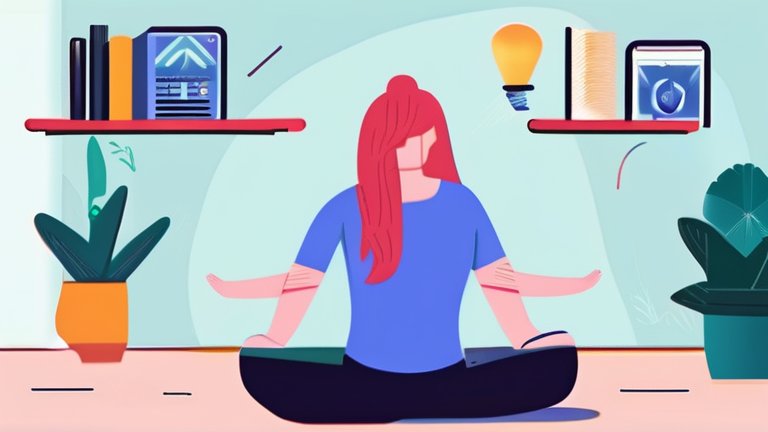
In an era defined by constant connectivity, the pressure to remain perpetually available has reached epidemic proportions. Mental health professionals increasingly recognize that chronic digital overload contributes significantly to anxiety, sleep disturbances, and cognitive fragmentation. Consequently, digital detox retreats are experiencing a surge in popularity, offering sanctuary from the relentless ping of notifications. This guide provides essential steps to help you plan and execute a transformative digital detox experience, ensuring maximum benefit for your psychological well-being and long-term habit formation.
Step-by-Step Instructions for Your Retreat
1. Define Your Boundaries and Duration
Begin by establishing clear parameters for your detox. Determine whether you will go completely offline or allow limited emergency contact. Most experts recommend a minimum duration of forty-eight hours to allow your brain to recalibrate its dopamine reward systems. Select a location that physically discourages device usage, such as a cabin in the woods, a beachfront bungalow, or a dedicated mindfulness center. Ensure this environment is free from Wi-Fi routers and charging stations to minimize temptation.
2. Prepare Your Support System
Before disconnecting, inform your close friends, family, and colleagues about your absence. Provide them with alternative contact methods, such as a landline number or a trusted intermediary who can reach you only in genuine emergencies. This step is crucial for reducing social anxiety and preventing the fear of missing out (FOMO) from overshadowing your relaxation. Set an out-of-office email responder that clearly states your offline dates and expected return time, managing professional expectations effectively.
If you want to dig deeper, check out our guide on 10 Proven Business Growth Strategies for 2024.
3. Engage in Analog Activities
Structure your time with intentional, screen-free activities that promote presence and mindfulness. Consider incorporating daily journaling to process thoughts without the distraction of formatting tools. Physical exercise, such as hiking, yoga, or swimming, reconnects you with your body and reduces stress hormones. Reading physical books, cooking from scratch, or engaging in creative arts
Leave a Reply