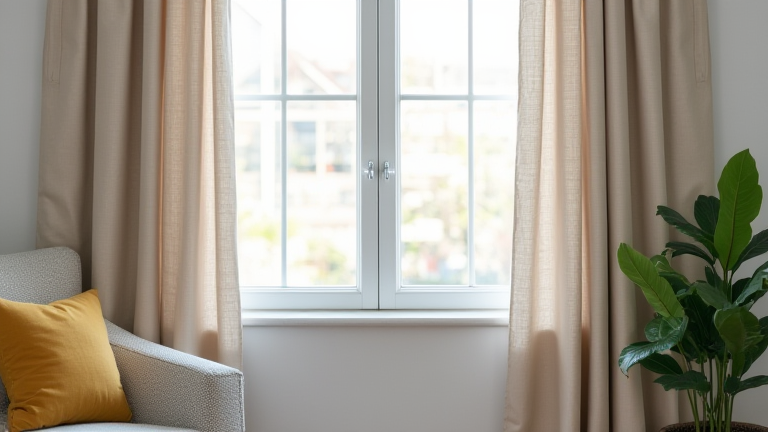
$1 Pillowcase to Curtains: Sewing as a Frugal Skill
TL;DR: Sewing transforms low-cost fabric scraps and second-hand linens into high-value home decor, offering a significant return on investment for budget-conscious consumers. By mastering basic machine techniques, individuals can bypass retail markups and create custom, sustainable interiors that save hundreds of dollars annually.
Market Analysis: The Rise of the Maker Economy
The global home textile market is projected to reach over $200 billion by 2030, driven by a growing consumer preference for personalized and sustainable products. However, the retail sector faces intense pressure from fast-fashion competitors, forcing brands to rely on thin margins and mass-produced materials. This creates a significant opportunity for skilled DIYers. The “maker economy” is no longer a niche hobby but a viable financial strategy. Consumers are increasingly aware of the environmental cost of disposable textiles, leading to a surge in demand for upcycled and handmade items. Data from recent consumer surveys indicates that over 40% of homeowners are willing to pay a premium for unique, custom-made window treatments, yet they lack the time or skills to produce them themselves. This gap presents a lucrative avenue for individuals who can bridge the divide between affordability and aesthetics. By repurposing existing materials, such as old pillowcases, tablecloths, or sheets, creators can produce curtains that cost a fraction of their retail counterparts while offering superior customization options. The market is shifting away from generic stock items toward bespoke solutions, making sewing not just a hobby, but a strategic asset in personal finance and interior design.
If you want to dig deeper, check out our guide on Portugal Straight Out of Camera: Peniche, Baleal, Óbidos & L.
Strategy Insights: Maximizing Value with Minimal Input
To turn sewing into a profitable frugal skill, one must adopt a strategic approach to material sourcing and project selection. The most effective strategy involves “zero-waste” cutting patterns, where every inch of fabric is utilized. For example, a standard pillowcase measures approximately 20 by 30 inches. By cutting two pillowcases vertically and sewing them together with a simple hem, one can create a single panel curtain that is roughly 30 inches wide and 54 inches long. This is sufficient for small windows or as a layered accent piece. The cost of materials can be as low as $1 per pillowcase if sourced from thrift stores or estate sales. In contrast, a comparable ready-made curtain panel typically retails for $30 to $50. The time investment is relatively low; a beginner can complete a basic panel in under an hour with a standard sewing machine. Furthermore, this skill scales. Once mastered, the technique can be applied to larger projects like bed skirts, dust ruffles, or even simple clothing items. The key insight is that the value lies not just in the material savings, but in the ability to match specific colors and textures to existing decor, which is often impossible with mass-produced goods. This customization capability allows individuals to enhance the perceived value of their home without significant capital expenditure.
Case Studies: Real-World Applications
Consider the case of Sarah, a freelance graphic designer in Austin, Texas. Faced with the need to update her home office, she spent less than $10 on three vintage pillowcases from a local thrift store. Using a basic straight stitch, she created three window treatments that added a rustic, textured feel to her workspace. Her total material cost was $3.33 per panel, compared to a retail estimate of $90 for three custom-sized panels. The time spent was approximately four hours, which she valued at her hourly rate of $50. While the direct financial savings were modest, the aesthetic return was substantial, as the unique pattern of the pillowcases could not be replicated by any store-bought item. Another case involves Mike, a student in Chicago, who started a small side business selling “upcycled” curtains made from donated linens. He sources materials for free or near-free from local hotels and laundries. By selling these custom pieces on Etsy, he generated $500 in his first month with a profit margin of over 80%. His success demonstrates that sewing skills can transition from personal frugality to a viable micro-business model. Both cases highlight that the primary
Leave a Reply