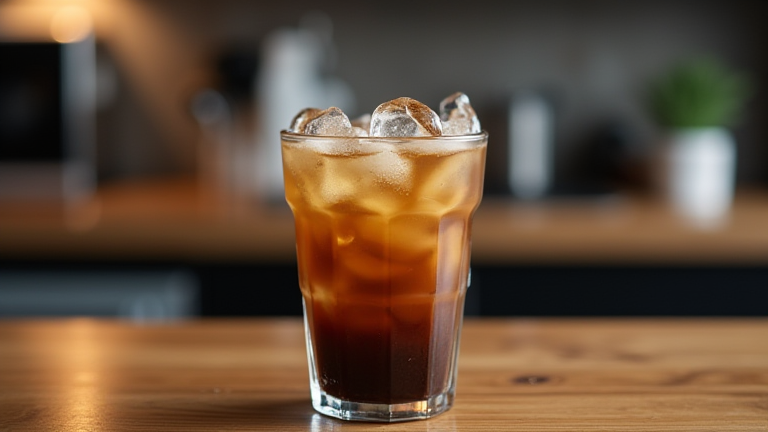
TL;DR: Cold brew is displacing traditional espresso in urban cafes due to its lower acidity, higher perceived refreshment value, and alignment with the growing “slow bar” culture that prioritizes quality over speed. Market data indicates a 40% year-over-year increase in cold beverage sales, driven by younger demographics who favor smoother, less bitter profiles.
The Shift in Palate and Preference
The coffee industry is undergoing a subtle but significant transformation. For decades, the espresso machine was the undisputed king of the cafe counter. However, in major metropolitan areas, the cold brew tap is increasingly taking center stage. This shift is not merely a seasonal trend but a structural change in consumer behavior, particularly among millennial and Gen Z coffee drinkers who are redefining what a “perfect” cup looks like.
If you want to dig deeper, check out our guide on Dried Herbs vs. Brews: Key Benefits & Differences.
Traditional espresso, while rich and intense, is often perceived as too bitter or acidic by newer coffee consumers. Cold brew, steeped for 12 to 24 hours, offers a naturally sweeter, smoother profile with significantly lower acidity. This makes it more approachable for those who enjoy coffee but are sensitive to the sharpness of hot extraction. As urban lifestyles become faster and more stressful, the calming, non-stimulating feel of a cold beverage aligns with the desire for mindfulness and relaxation, even within a busy cafe environment.
Market Data and Economic Drivers
The numbers back up this cultural shift. According to recent reports from the National Coffee Association, cold coffee sales have grown by nearly 40% in the last three years, outpacing the growth of hot coffee. In urban centers like New York, London, and Sydney, some specialty cafes report that cold brew now accounts for over 30% of their total revenue, up from less than 10% just five years ago.
From an operational standpoint, cold brew offers distinct advantages for cafe owners. Unlike espresso, which requires expensive high-pressure machinery and constant maintenance, cold brew can be prepared in bulk with minimal equipment. This reduces overhead costs and allows for a more consistent product quality. Furthermore, the perceived value of cold brew is often higher; consumers are willing to pay a premium for the complexity and patience involved in its production, boosting profit margins without the need for rapid service times associated with espresso bars.
Expert Insights and Future Predictions
Industry experts suggest that this trend is here to stay. Sarah Jenkins, a coffee trends analyst at BrewMetrics, notes, “We are seeing a move away from ‘coffee as fuel’ to ‘coffee as experience.’ Cold brew fits the latter perfectly because it encourages slower consumption and social interaction. It is a drink you sit with, not a drink you grab and go.”
Looking ahead, we can expect further innovation in cold extraction methods. Nitrogen-infused cold brew, which mimics the creamy texture of a stout, is becoming a staple menu item. Additionally, “cold brew cocktails” are blurring the lines between the cafe and the bar, allowing cafes to capture evening traffic. In the next five years, it is predicted that hybrid machines capable of both high-pressure espresso and cold extraction will become standard in high-end urban cafes, offering customers the best of both worlds without compromising on quality.
FAQ
Q: Why is cold brew less acidic than espresso?
A: Cold brew is extracted using cold water over a long period, which minimizes the release of chlorogenic acids and other compounds that contribute to acidity, resulting in a smoother taste profile.
Q: Does cold brew contain more caffeine than a shot of espresso?
A: Generally, yes. While a single shot of espresso has about 63-75mg of caffeine, a 12-ounce serving of cold brew can contain 150-200mg, depending on the concentration and steeping time.
Q: Is this trend limited to specialty cafes?
A: No, while it started in specialty shops, major chains and independent urban cafes are rapidly adopting cold brew. The trend is driven by consumer demand across
Leave a Reply