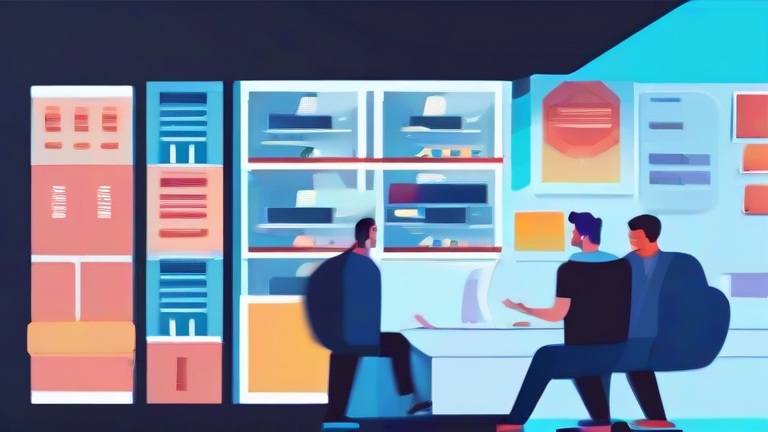
AI Agents Replacing Junior Software Engineers
The landscape of technology is shifting beneath our feet. Artificial Intelligence agents are no longer just experimental tools; they are actively taking over tasks traditionally assigned to junior software engineers. From writing boilerplate code to debugging complex systems, AI is demonstrating capabilities that were once thought to require human intuition and years of experience. While this transition offers efficiency, it also brings significant stress and uncertainty for professionals at the entry level. However, amidst this technological upheaval, your health and wellness must remain the priority. Here is how you can navigate this changing era while maintaining your physical and mental well-being.

The Science of Stress in the Digital Age
Rapid technological change triggers the body’s fight-or-flight response. When faced with the prospect of job obsolescence, cortisol levels spike, leading to chronic stress if not managed. Research published in the *Journal of Occupational Health Psychology* indicates that perceived job insecurity is a stronger predictor of burnout than workload alone. To combat this, it is crucial to adopt a mindset of adaptation rather than resistance. Instead of viewing AI as a replacement, view it as a collaborative tool. This cognitive reframing reduces anxiety and opens pathways for creative problem-solving, which remains a distinctly human trait that AI cannot fully replicate.
If you want to dig deeper, check out our guide on 10 Essential Health Tips for a Longer, Happier Life.
Lifestyle Tips for the Tech Professional
Maintaining physical health is essential when your work environment is increasingly sedentary. The average software engineer spends over eight hours a day sitting. To counteract the negative effects of prolonged sitting, incorporate “movement snacks” into your day. Stand up for two minutes every hour to stretch your hips and shoulders. This simple act improves circulation and reduces the risk of cardiovascular issues associated with a sedentary lifestyle. Additionally, prioritize sleep hygiene. Blue light from screens disrupts melatonin production. Use blue-light-blocking glasses in the evening or enable night mode on your devices to ensure restorative sleep, which is critical for cognitive function and emotional regulation.
Nutrition also plays a pivotal role. High-sugar snacks provide quick
Leave a Reply