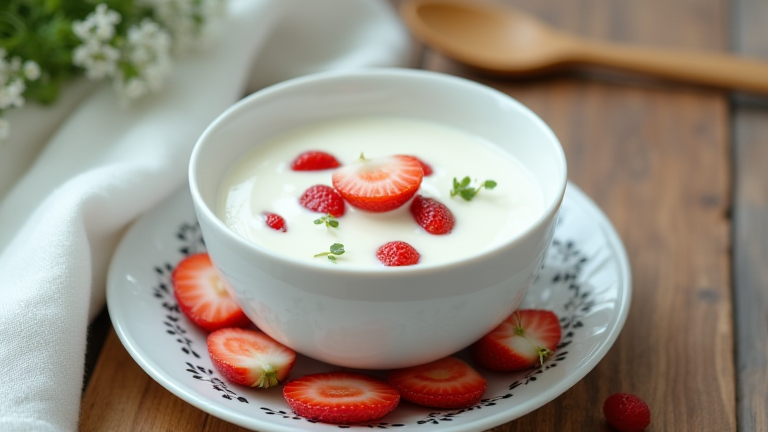
TL;DR: Making yogurt at home is a rewarding, cost-effective habit that grants you total control over ingredients and flavor profiles. Once you master the basic fermentation process, you will never look back at store-bought versions again.
Why You Should Make Yogurt: I Reached Level 2
If you want to dig deeper, check out our guide on Busted Vintage GE Waffle Baker: 15 Years Later.
I still remember the first time I attempted to make yogurt. It was a chaotic mess of lukewarm milk and questionable results. However, after weeks of practice, experimentation, and a few failed batches, I finally reached what I call “Level 2.” This isn’t just about following a recipe; it is about understanding the biology of fermentation and the art of texture. Today, I want to share why this journey is worth your time and how you can transition from novice to confident home fermenter.
The Joy of Control
The primary reason to make your own yogurt is the unparalleled control it offers. Store-bought yogurts are often laden with stabilizers, artificial flavors, and excessive sugars that mask the true taste of the milk. When you make yogurt at home, you decide exactly what goes into the jar. Want Greek-style thick yogurt? Strain it. Want a tangy probiotic boost? Let it ferment longer. You can use raw milk, organic dairy, or even plant-based alternatives like coconut or almond milk. This customization is not just a luxury; it is a health necessity for many people avoiding additives.
Cost Efficiency
Let’s talk numbers. A single packet of yogurt starter costs a few dollars and can be used to inoculate dozens of batches. While you still need to buy milk, the cost per serving is significantly lower than purchasing premium artisanal yogurts. Over a year, the savings are substantial. Imagine the money you save on daily breakfasts or smoothie ingredients. This economic benefit is a strong motivator, but it is not the only one.
Texture and Taste Comparison
The difference in taste is night and day. Homemade yogurt has a fresh, clean flavor that commercial products struggle to replicate. The texture can range from creamy and silky to firm and spoonable, depending on your technique. I’ve compared side-by-side tastes with friends, and they consistently prefer the homemade version. The lack of gums and thickeners means the yogurt melts in your mouth, offering a pure dairy experience.
Getting Started
You don’t need expensive equipment to begin. A simple thermometer, a heavy-bottomed pot, and a cozy spot for incubation are all you need. Once you get the hang of temperature control, the process becomes almost meditative. It is a slow food practice in a fast-paced world.
Call to Action
Do not let the initial learning curve intimidate you. Start small, try one batch this weekend, and see how it turns out. Join online communities, share your failures and successes, and enjoy the process. Your taste buds and your wallet will thank you.
FAQ
Q: How long does it take to make yogurt?
A: The actual hands-on time is about 15 minutes, but the fermentation process takes 6 to 12 hours depending on your desired tanginess.
Q: Can I reuse my homemade yogurt as a starter?
A: Yes, you can use a few tablespoons of your finished yogurt to start the next batch, but it is recommended to restart with a fresh powder starter every few batches to maintain potency.
Q: What is the best milk to use?
A: Whole milk produces the creamiest results, but low-fat or plant-based milks work well too, though they may require additional thickeners like agar or gelatin for desired texture.
Leave a Reply