TL;DR: Traveling to Malaysia revealed that while its digital infrastructure is rapidly improving, it still lags behind the seamless, high-speed connectivity and robust tech ecosystem I enjoy at home. This contrast highlighted the critical importance of reliable hardware, widespread 5G coverage, and integrated smart city initiatives that define modern daily convenience in developed tech hubs.
The Connectivity Gap
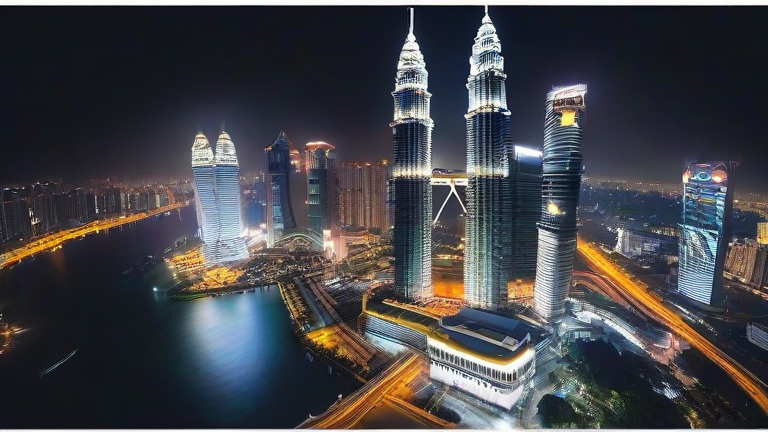
When I arrived in Kuala Lumpur, the first thing I noticed was not the vibrant street food or the iconic Petronas Twin Towers, but the frustrating inconsistency of my mobile data connection. In my home country, I expect instant uploads, zero-latency video calls, and ubiquitous Wi-Fi in even the smallest cafes. In Malaysia, despite being a regional tech hub, the experience was jarring. Public Wi-Fi networks were often password-protected, slow, or entirely unavailable in older districts. This stark difference forced me to confront how much I take for granted the stability of modern telecommunications infrastructure. The lack of reliable, high-speed internet in public spaces is not just an inconvenience; it is a barrier to productivity and social integration that many in developed nations have forgotten.
Hardware and Smart Devices
Beyond connectivity, the availability and adoption of the latest consumer electronics were notable. While flagship smartphones and laptops are readily available in major shopping malls like Pavilion Kuala Lumpur, the ecosystem integration is not as seamless. In my home market, devices talk to each other effortlessly, creating a cohesive digital life. In Malaysia, I found myself juggling multiple apps and services that do not sync well across platforms. The industry impact here is significant; local manufacturers and retailers are pushing hard to adopt the latest specs, but the software layer often feels fragmented. For instance, while 5G-enabled devices are being sold, the network coverage is patchy, limiting the practical benefits of owning such advanced hardware. This disconnect between hardware capability and network reality is a common challenge in emerging tech markets.
Smart City Initiatives
Malaysia is actively pursuing smart city initiatives, particularly in Putrajaya, which serves as the administrative center. The city boasts impressive sensor networks and data-driven governance tools. However, the user experience for the average citizen remains disconnected from these backend advancements. Apps for government services are often clunky and difficult to navigate compared to the intuitive interfaces we are accustomed to in the West. This highlights a critical gap in user experience (UX) design and digital literacy initiatives. The industry impact is a slower adoption rate of digital services, which hinders overall economic efficiency. Travelers and expatriates often find themselves struggling with bureaucratic processes that could be streamlined with better tech integration.
The Realization
Ultimately, this trip was a wake-up call. It is not about criticizing Malaysia’s progress, which is commendable given its developing status. Instead, it is about recognizing the immense value of a mature, integrated tech ecosystem. The convenience of cashless payments, the reliability of cloud services, and the ease of digital navigation are not luxuries; they are essential components of modern life. We often forget how good we have it until we step into a system where these conveniences are either absent or inconsistent. This experience has made me more appreciative of the investments in infrastructure and software that define our daily digital interactions. It also serves as a reminder for tech companies to focus not just on hardware specs, but on holistic ecosystem integration that truly enhances user life. The road to digital maturity is long, and while Malaysia is on the right path, the journey is far from over.
FAQ
Q: Is Malaysia a good destination for remote workers?
A: It depends on your location; urban centers like Kuala Lumpur offer decent coworking spaces and 5G coverage, but rural areas may have unreliable internet connections.
If you want to dig deeper, check out our guide on 10 Simple Lifestyle Habits to Transform Your Daily Life Toda.
Q: How does Malaysia’s 5G network compare to developed nations?
A: Malaysia has launched its national 5G network, but coverage is still expanding and is often less consistent than in leading tech hubs like South Korea or Japan.
Q: What is the state of cashless payments in Malaysia?
A: Cashless payments are widely accepted in urban areas through apps like Touch ‘n Go and Grab
Leave a Reply